In the wake of growing speculation surrounding fuel and LPG shortages, the Ministry of Petroleum and Natural Gas on March 26 categorically denied any disruption in supply across the country. Terming the panic as “deliberately spread,” the Ministry asserted that India’s fuel ecosystem remains robust, well-supplied, and fully capable of meeting domestic demand without any interruption.
The clarification comes at a time when social media platforms have been flooded with claims of dwindling fuel reserves, long queues at petrol pumps, and fears triggered by geopolitical tensions around the Strait of Hormuz. However, the government has dismissed these narratives as misleading and irresponsible, urging citizens not to fall prey to unverified information.
Officials emphasised that there is no shortage of petrol, diesel, or LPG anywhere in the country. All retail fuel outlets, numbering over one lakh, are functioning normally, with adequate stock and no signs of rationing. The Ministry stressed that India, being the world’s fourth-largest oil refiner and fifth-largest exporter of petroleum products, has a strong and diversified supply chain that caters not only to domestic needs but also exports to over 150 countries.
Wherever isolated instances of panic buying were reported, authorities attributed them to misinformation rather than any real supply constraint. Oil marketing companies responded swiftly by ensuring continuous operations, including the overnight functioning of depots and extending credit facilities to fuel pumps to maintain uninterrupted distribution.
While tensions in the Strait of Hormuz have raised global concerns, the government maintained that India’s crude oil supply remains unaffected. The country currently sources crude from over 41 suppliers worldwide, ensuring diversification and resilience against geopolitical disruptions.
Refineries across India are reportedly operating at over 100 percent capacity, a clear indication of strong preparedness and demand fulfilment. Moreover, crude supplies for the next 60 days have already been secured, effectively eliminating any immediate risk of shortage.
Addressing rumours that India has only a few days’ worth of fuel stock, the Ministry termed such claims as “completely false.” It clarified that India possesses a total reserve capacity of around 74 days, with approximately 60 days of actual stock currently available. This includes crude oil, refined products, and strategic petroleum reserves.
Officials highlighted that this buffer provides a significant cushion against any unforeseen disruptions, while additional procurement of crude oil is already underway to further strengthen reserves.
On the LPG front, the government reported a substantial increase in domestic production, which has risen by nearly 40 percent and now meets over 60 percent of the country’s daily requirements. To bridge the remaining gap, India has secured imports of approximately 800 thousand metric tonnes from countries including the United States, Russia, and Australia.
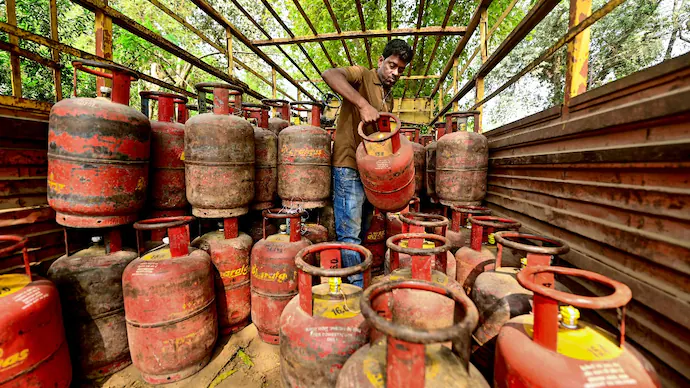
Oil companies are currently delivering more than 50 lakh LPG cylinders daily, with enhanced allocation for commercial usage to prevent hoarding and black marketing. The Ministry reiterated that household LPG supply remains stable and uninterrupted.
The Ministry also clarified that the promotion of Piped Natural Gas (PNG) is part of a long-term energy transition strategy and not a response to any LPG shortage. PNG is being encouraged as a cleaner, safer, and more cost-effective alternative.
India’s natural gas production currently stands at around 92 MMSCMD, contributing to reduced import dependence. The expansion of city gas distribution networks, from 57 areas in 2014 to over 300 today along with a rise in domestic PNG connections from 25 lakh to over 1.5 crore, reflects the government’s push towards sustainable energy solutions.
A significant concern flagged by the Ministry is the role of social media in amplifying panic. False claims, edited visuals, and unverified reports have contributed to unnecessary anxiety among the public. In several states, authorities had to intervene after viral posts triggered sudden spikes in fuel purchases.
The government has urged citizens to rely only on official sources for updates and to avoid sharing or acting upon unverified information, warning that such behaviour can disrupt otherwise stable supply systems.
Despite global uncertainties and regional tensions, India’s fuel and LPG supply chain remains stable, diversified, and well-prepared. The government’s firm assurance aims to calm public nerves while highlighting the dangers of misinformation in an increasingly digital age.