Northeast states have always been characterised as a land of vast cultural diversity, natural beauty, and strategic significance. For several decades, geographical distance and lack of interaction resulted in a psychological divide between the Northeast and the rest of India. In recent years, the Government of India has launched various initiatives to bridge the emotional and cultural divide between the Northeast and the other parts of the country. One such initiative is the Ashtalakshmi Darshan Youth Exchange Programme, which promotes national unity through youth interaction and cultural immersion.
The programme marks the beginning of the people’s connectivity initiative, which brings young citizens together to experience India’s diversity. By bringing students from different parts of the country to the eight Northeastern states, which are known as Ashtalakshmi, the programme aims to bring the youth of India together and create a long-lasting bond among them.
Vision Behind Ashtalakshmi Darshan
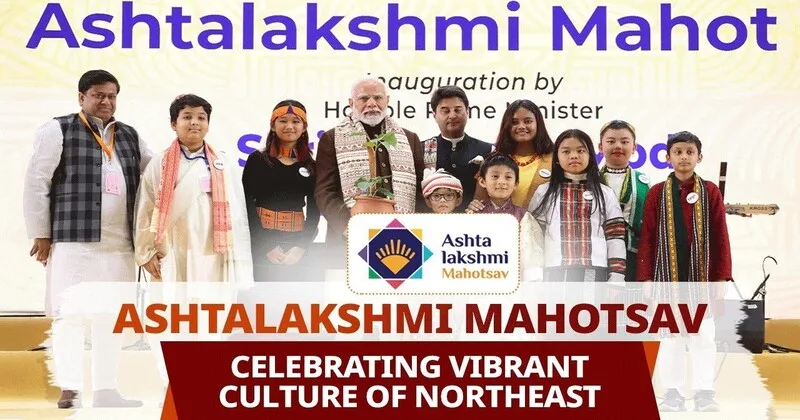
Ashtalakshmi is symbolic of the eight Northeastern states like Arunachal Pradesh, Assam, Manipur, Meghalaya, Mizoram, Nagaland, Tripura, and Sikkim. These states are commonly known as the eight forms of Ashtalakshmi, as there are eight forms of Devi Lakshmi in Hindu culture.
The Ashtalakshmi Darshan Youth Exchange Programme is a cultural and educational bridge between the Northeast and the rest of India. The programme is organised and sponsored by the Ministry of Development of the North Eastern Region and designed as a structured exposure visit for students from different states and union territories.
The objective behind this initiative is to enhance national integration among the younger generation. By allowing students to engage with the local community, learn about the governance system, and experience the region’s rich heritage, the programme aims to instil a sense of belonging to the larger national identity.
Structure of the Programme
The Ashtalakshmi Darshan programme is a 14-day immersion programme. It is not just a study tour but an experience tour that blends academic learning, cultural exposure and community interaction.
The programme involves lectures, interactions with policymakers and administrators, visits to heritage sites, and cultural activities that draw on the distinct traditions of the Northeast. The programme also involves visits to key institutions and sites, enabling students to grasp the region’s governance framework and socio-economic dynamics. These interactions help students gain firsthand knowledge of development, challenges, and opportunities in the Northeast.
The magnitude of the programme is commensurate with its national scope. The programme aims to engage 1,280 students in 32 batches representing 28 states and union territories, thereby ensuring that students from all over India are represented. The programme maintains an equal number of boys and girls, thereby underscoring the government’s commitment to inclusiveness and youth empowerment. In 2026, a total of 471 students had already participated in the programme, representing a diverse cross-section of youth from across India.
Experiential Learning in the Northeast
The programme ensures that students not only witness the region but also experience it. The students attend academic sessions at universities, meet local leaders and participate in cultural exchanges.
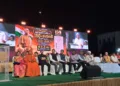
The 12th batch of the programme attended programmes organised by Rajiv Gandhi University in Arunachal Pradesh, including students from Jharkhand and Puducherry. During their visit, the students attended the Statehood Day celebrations, visited historical sites such as Ita Fort and Ganga Lake, and met officials at the Raj Bhavan.
These experiences enable students to learn about the region’s historical background, ecological diversity, and governance structure. The students have found the programme to be life-changing. Some students have pointed out the region’s strong community culture and environmental awareness, while others have spoken about the peace and natural beauty they witnessed during their visit to the Northeast.
Promoting Cultural Integration
One of the important contributions of the Ashtalakshmi Darshan initiative is cultural integration. India’s Northeast is home to hundreds of tribes, languages, and cultures. Yet it is a fact that many Indians from other parts of the country are unaware of the social and cultural fabric of the Northeast.
The initiative provides an opportunity for students from across the country to experience Northeastern culture. The students gain an experience of Northeastern culture, including its festivals and people’s lifestyles. This provides an opportunity for students to understand the region’s cultural identity and feel connected to the rest of the country. This is the philosophy of Ek Bharat Shreshtha Bharat, which promotes the idea that India is strong because of its diversity.
Youth as Ambassadors of Unity
The Ashtalakshmi Darshan programme aims to empower the youth as change-makers for national integration. The participants are encouraged not only to learn from their experiences but also to share them with others when they return home. They become unofficial ambassadors of the Northeast, spreading awareness of the region’s culture, people, and opportunities.
Union Minister Jyotiraditya Scindia, under this programme, appealed to the participants to share their experiences with their friends and family, by emphasising the traditions, natural beauty and warmth of the region’s people. This multiplier effect ensures that the programme’s impact extends far beyond the students who directly participate.
Economic and Developmental Dimensions
The programme is primarily focused on cultural exchange, it also highlights the economic possibilities that the Northeast has to offer. The Northeast has immense potential in sectors such as tourism, agriculture, handicrafts, and renewable energy. The students are made aware of these possibilities by a visit.
The scheme also highlights the government’s development plans for the Northeast. A lot of development work has been done in the Northeast over the last ten years, particularly in infrastructure, connectivity, and tourism.
According to government representatives, the tourism sector has potential to generate employment and drive economic growth in states like Arunachal Pradesh, which has vast, unexplored natural resources. This scheme helps create awareness of the Northeast’s role in India’s future growth story by exposing young Indians to these possibilities.
Strengthening the Idea of Viksit Bharat
The Ashtalakshmi Darshan Youth Exchange Programme aligns with the vision of Viksit Bharat 2047, which aims to develop India into a developed nation on the occasion of the centenary of independence.
National development is not only about developing infrastructure and the economy but also about strengthening the bonds that bind the nation’s diverse groups. Programs such as Ashtalakshmi Darshan are very much in line with this vision of national development, as they help foster mutual respect and national pride among the nation’s youth. When students from different parts of the nation meet and mingle, they help build a stronger society.
A New Model of National Integration
The relevance of the Ashtalakshmi Darshan programme lies in its ability to offer a new way to achieve national integration. The programme does not just focus on gestures but also on experiential learning. Students travel, meet, observe, and participate to make cultural immersion a reality.
This not only helps in understanding the culture better but also helps in establishing a personal connection between people from different parts of the country. This is the need of the day in a country as large as India.
The Ashtalakshmi Darshan Youth Exchange Programme is a significant step towards overcoming the cultural and psychological distance between the Northeast and the rest of India. The programme allows young Indians to experience the culture, traditions, and development opportunities of the Northeast in a realistic way. This helps in bringing about a sense of national integration among the youth. It also helps students become ambassadors of cultural immersion and fosters the spirit of Ek Bharat Shreshtha Bharat.
With the vision of Viksit Bharat 2047 on the horizon, initiatives such as Ashtalakshmi Darshan show that national integration is not just a political goal but a journey that the country’s youth can share in the best way possible. The initiative is bringing about a sense of unity in the country through dialogue, discovery, and cultural experiences, one student at a time.