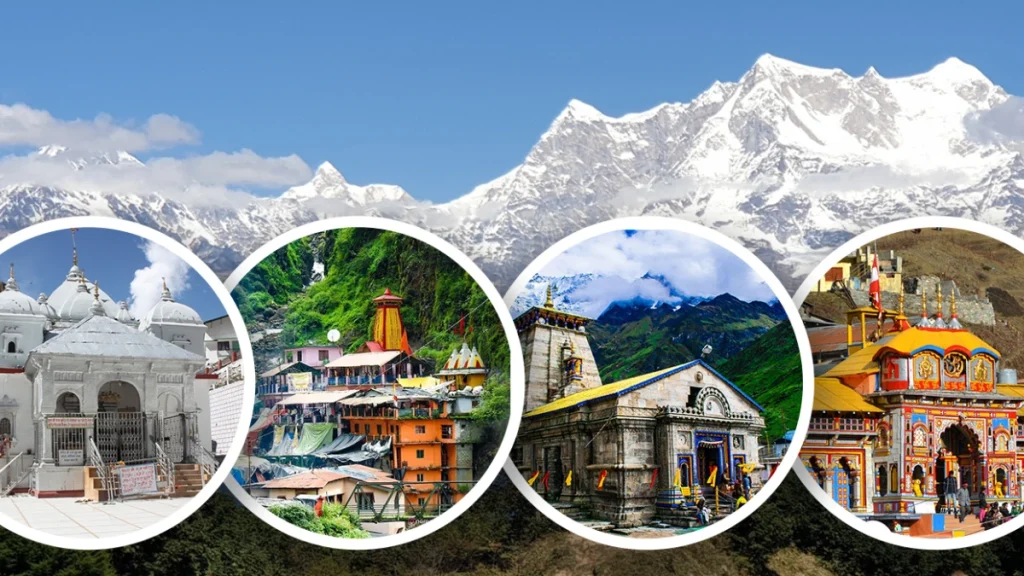
In a major administrative decision ahead of the Char Dham Yatra 2026, the Badrinath-Kedarnath Temple Committee (BKTC) has prohibited the entry of non-Hindus into 47 temples under its jurisdiction, including the prominent Himalayan shrines of Kedarnath Temple and Badrinath Temple.
The resolution was passed during the BKTC’s budget meeting held on March 10 at its camp office in Dehradun, where the temple authority also approved a budget of Rs 121.7 crore for the financial year 2026-27 to manage temple operations, pilgrimage arrangements, and infrastructure development.
The meeting was chaired by BKTC President Hemant Dwivedi, who said the demand for restricting entry to followers of Sanatan Dharma had been raised for several years.
‘Only devotees of sanatan dharma welcome’
Speaking after the meeting, Dwivedi said that the decision was taken to preserve the sanctity and traditional religious practices of the temples.
He stated that only those who follow Sanatan Dharma and have faith in Baba Kedarnath and Badri Vishal would be allowed entry into the temple premises.
According to the committee, the restriction will apply not only to the sanctum sanctorum but also to the entire temple premises of the 47 temples administered by the BKTC.
The temple body clarified that the move was intended to maintain the religious character of the shrines, which are considered among the holiest pilgrimage sites in Hinduism.
Importance of Badrinath and Kedarnath
Among the temples covered under the decision are the two most prominent shrines of the Char Dham circuit, Kedarnath and Badrinath.
The Kedarnath Temple, located in the Rudraprayag district of Uttarakhand at an altitude of over 3,500 metres in the Himalayas, is one of the twelve Jyotirlingas of Lord Shiva and attracts lakhs of devotees every year.
The Badrinath Temple, dedicated to Lord Vishnu, is another major pilgrimage site and forms part of both the Char Dham Yatra and the Chota Char Dham circuit of the Himalayas.
Every year, the Char Dham pilgrimage draws millions of devotees from across India and abroad who undertake the challenging journey to visit the four sacred shrines—Yamunotri Temple, Gangotri Temple, Kedarnath, and Badrinath.
Budget of Rs 121.7 crore approved
Along with the decision on temple entry, the BKTC also approved a budget of Rs 121.7 crore for the 2026-27 financial year.
The funds will be used for various purposes, including:
1. Maintenance and restoration of temples
2. Pilgrim facilities and infrastructure development
3. Salaries and administrative expenses
4. Management of the large influx of devotees during the yatra season
Officials said the temple committee has been working to strengthen infrastructure and crowd management systems in anticipation of the heavy pilgrim turnout expected in 2026.
Meanwhile, the Government of Uttarakhand has opened the online registration portal for the Char Dham Yatra, enabling devotees to register for the annual pilgrimage.
The registration process began at 7 AM and has been made mandatory for all pilgrims planning to undertake the journey to the Himalayan shrines.
Authorities have introduced compulsory digital registration across multiple platforms to better manage the massive influx of devotees and ensure smooth movement along the pilgrimage route.
Officials said the digital system would also help improve safety, crowd management, and emergency response during the pilgrimage season.
Temple opening dates announced
The schedule for the opening of the temples for the Char Dham Yatra 2026 has also been announced.
The pilgrimage will officially begin on April 19, when the portals of Yamunotri Temple and Gangotri Temple will open for devotees.
The doors of Kedarnath Temple will open three days later on April 22, while the Badrinath Temple will open on April 23, completing the start of the four-shrine pilgrimage circuit.
Every year, lakhs of pilgrims undertake the challenging journey through the Himalayan terrain to seek blessings at these ancient temples.
The Char Dham Yatra is one of the largest religious pilgrimages in India and plays a crucial role in Uttarakhand’s tourism and local economy.
Authorities expect a record number of pilgrims in 2026, especially after recent infrastructure improvements including new roads, enhanced medical facilities, and improved accommodation for devotees.
State officials have said that strict crowd management protocols, improved security arrangements, and enhanced disaster preparedness measures will be in place to ensure the safety of pilgrims.
The decision by the temple committee regarding entry restrictions has added a new dimension to preparations for the upcoming pilgrimage season, which is expected to witness lakhs of devotees visiting the sacred Himalayan shrines.