Kochi/Pathanamthitta: After a series of controversies, including allegations of gold theft, money laundering, and even misappropriation of ghee offered after abhishekam, the Kerala High Court has taken strict action in connection with irregularities in Sabarimala Padi Puja bookings. Acting on serious findings reported by the Devaswom Vigilance, the Court has ordered the seizure of booking files and related records for detailed examination.
High Court orders seizure of booking records
The Devaswom Bench, comprising Justices V Raja, Vijayaraghavan, and KV Jayakumar, directed the Chief Vigilance and Security Officer to produce the relevant registers and documents in a sealed cover before the Court. The order was issued based on a report submitted by the Special Commissioner regarding arrangements and requirements for the ‘Kumbha masa’ puja. The Court observed that ‘Padi Puja’ bookings at Sabarimala Sree Ayyappa mandir have already been completed up to the year 2045. Investigations revealed that certain individuals allegedly secured bookings using fake addresses and later resold them at double the official rate.
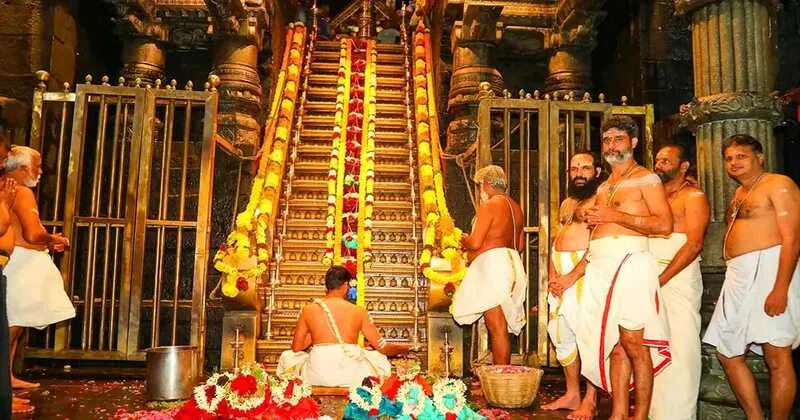
Devotees who were unable to reach the shrine after booking were also reportedly being exploited. The case will be taken up again on March 4, and the Sabarimala Executive Officer has been directed to be present. The Special Commissioner’s report further highlighted that cleanliness standards at the Sannidhanam had deteriorated during the Kumbha month due to a shortage of sanitation workers. The Devaswom Board has assured the Court that such lapses will not recur in the coming months. Padi Puja is conducted during the Mandala–Makaravilakku season and the five days following Makaravilakku, as well as during other special occasions when the temple is opened for specific rituals. The puja is performed by the Thantri in the presence of the Melshanthi.
Allegations of middlemen, bribes and financial exploitation
Padi Puja at Sabarimala is a highly sought-after ritual, with one devotee permitted to perform it per day at a cost of Rs 1,37,900. Given that bookings are filled until 2045, devotees who make reservations now would not receive their turn until after that year. This long waiting period has reportedly created opportunities for middlemen to exploit genuine devotees. As per the established procedure, those who book Padi Puja must be informed in advance of the scheduled date through an official letter. However, it has been alleged that such communications are not consistently sent. Instead, officials are said to arrange the ritual through intermediaries. Bribes ranging from Rs 3 lakh to Rs 5 lakh are being demanded to facilitate these arrangements.
Further irregularities involve cancellations and absentee bookings. Offerings made by devotees who are abroad or unable to attend the ritual after booking are reportedly deducted, amounting to nearly Rs 4 lakh in certain cases. Despite bookings being filled until 2045, Vigilance authorities have proposed publishing the details of devotees scheduled for Padi Puja at least one year in advance. They have also recommended that booking transfers be strictly prohibited to prevent misuse. The amicus curiae informed the High Court that suspicions deepened after two individuals who had secured bookings failed to appear for the puja once identity verification norms were tightened. The Court is now closely monitoring the matter as part of its broader oversight of mandir administration and financial transparency.