RSS resolutions over decades reaffirm stand on POJK
July 19, 2026
  • Read Ecopy
  • Circulation
  • Advertise
  • Careers
  • About Us
  • Contact Us
Android AppiPhone AppArattai
Organiser
  • ‌
  • Bharat
    • Assam
    • Bihar
    • Chhattisgarh
    • Jharkhand
    • Maharashtra
    • View All States
  • World
    • Asia
    • Europe
    • North America
    • South America
    • Africa
    • Australia
  • Editorial
  • International
  • Opinion
  • RSS @ 100
  • More
    • Op Sindoor
    • Analysis
    • Sports
    • Defence
    • Politics
    • Business
    • Economy
    • Culture
    • Special Report
    • Sci & Tech
    • Entertainment
    • G20
    • Azadi Ka Amrit Mahotsav
    • Vocal4Local
    • Web Stories
    • Education
    • Employment
    • Books
    • Interviews
    • Travel
    • Law
    • Health
    • Obituary
  • Subscribe
    • Subscribe Print Edition
    • Subscribe Ecopy
    • Read Ecopy
  • ‌
  • Bharat
    • Assam
    • Bihar
    • Chhattisgarh
    • Jharkhand
    • Maharashtra
    • View All States
  • World
    • Asia
    • Europe
    • North America
    • South America
    • Africa
    • Australia
  • Editorial
  • International
  • Opinion
  • RSS @ 100
  • More
    • Op Sindoor
    • Analysis
    • Sports
    • Defence
    • Politics
    • Business
    • Economy
    • Culture
    • Special Report
    • Sci & Tech
    • Entertainment
    • G20
    • Azadi Ka Amrit Mahotsav
    • Vocal4Local
    • Web Stories
    • Education
    • Employment
    • Books
    • Interviews
    • Travel
    • Law
    • Health
    • Obituary
  • Subscribe
    • Subscribe Print Edition
    • Subscribe Ecopy
    • Read Ecopy
Organiser
  • Home
  • Bharat
  • World
  • Operation Sindoor
  • Editorial
  • Analysis
  • Opinion
  • Culture
  • Defence
  • International Edition
  • RSS @ 100
  • Magazine
  • Read Ecopy
Home Bharat

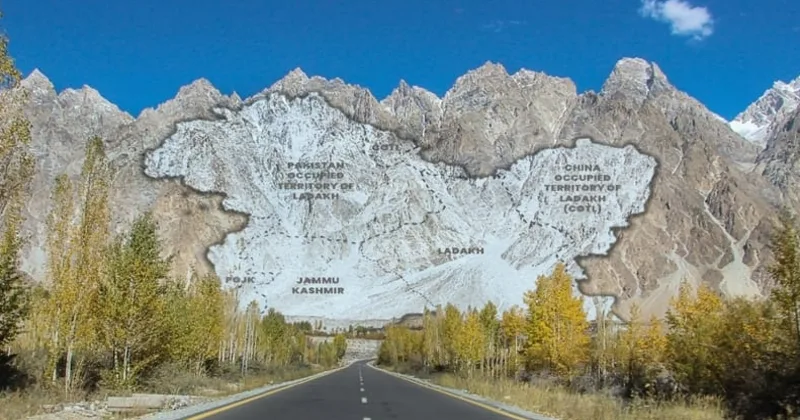
POJK Sankalp Diwas: From 1953 to 1994, RSS resolutions over decades reaffirm stand on Pakistan-Occupied Jammu & Kashmir

A series of resolutions passed over the decades by the Rashtriya Swayamsevak Sangh (RSS) outline the organisation’s consistent position on Pakistan-occupied Jammu and Kashmir (POJK), emphasising territorial integrity, national sovereignty and the complete integration of the region with India

WEBDESKWEBDESK
Feb 22, 2026, 07:00 am IST
in Bharat, RSS News, RSS in News, Jammu and Kashmir
Follow on Google News
FacebookTwitterWhatsAppTelegramEmail

The RSS first articulated its formal stand on the Kashmir issue in 1953, at a meeting of its Akhil Bharatiya Karyakari Mandal. The resolution noted that the international community had acknowledged Pakistan’s military action in Jammu and Kashmir following Independence and described the region as a natural, cultural and constitutional part of India. It criticised negotiations and joint statements with Pakistan that did not explicitly acknowledge aggression and called for a clear assertion of India’s position.

In 1964, the Akhil Bharatiya Pratinidhi Sabha reaffirmed that Jammu and Kashmir had legally acceded to India following the Instrument of Accession signed by Maharaja Hari Singh in 1947. The resolution argued that the ceasefire following United Nations intervention had interrupted efforts to regain full territorial control but maintained that the responsibility to secure the entire region could not be indefinitely deferred. It rejected suggestions of partition or special international status for the territory, describing such proposals as inconsistent with national unity and sovereign principles.

Also Read: India-Brazil relations soar as strong voice of Global South: Trade, critical minerals, digital delivery on the agenda

The 1964 resolution also expressed concern over repeated ceasefire violations along the Line of Control and warned that continued aggression could escalate into a larger conflict. It urged the government to take necessary defensive measures and to uphold what it termed a national duty to protect territorial integrity.

During the period of heightened militancy in Jammu and Kashmir in the late 1980s and early 1990s, the RSS again addressed the issue in its 1990 resolution. It stated that lasting peace would not be possible unless areas under Pakistani control were vacated. The resolution also raised concerns about external military assistance to Pakistan and its alleged impact on regional stability, calling for vigilance and firmness in safeguarding national sovereignty.

In 1993, the Akhil Bharatiya Karyakari Mandal proposed stronger border management measures, including sealing the frontier with Pakistan-occupied territories to prevent infiltration and the movement of arms. It suggested the creation of a security belt along the border and highlighted the need for robust defensive infrastructure.

The following year, in 1994, the Akhil Bharatiya Pratinidhi Sabha reiterated that Jammu and Kashmir was an indivisible part of India and that any dialogue with Pakistan should be contingent upon cessation of cross-border terrorism and the vacating of territories occupied in 1947-48. The resolution also called for the dignified rehabilitation of displaced Kashmiri families and encouraged volunteers to support relief and assistance efforts.

Consistency in Position

Across four decades, the resolutions reflect a consistent emphasis on sovereignty, territorial unity and national security. They reject proposals involving division of the state or alteration of its status and stress that long-term resolution requires restoration of full territorial control.

The documents also reveal an evolving focus—from legal and diplomatic assertions in the 1950s and 1960s to security and counter-infiltration concerns in the 1990s, coinciding with changing ground realities in the region.

As debates over Jammu and Kashmir continue in contemporary political discourse, these archival resolutions provide insight into the ideological continuity of the RSS’s stance on POJK and its broader framework for national policy on the issue.


Topics: PoJKRashtriya Swayamsevak SanghSankalp DiwasRSS
ShareTweetSendShareSend
✮ Subscribe Organiser YouTube Channel. ✮
✮ Join Organiser's WhatsApp channel for Nationalist views beyond the news. ✮
Previous News

India-Brazil relations soar as strong voice of Global South: Trade, critical minerals, digital delivery on the agenda

Next News

Odisha Police launch ‘Catch Maoists, Get Rewarded’ campaign in Gandhamardan region

Related News

Guruji MS Golwalkar: The lessons for social harmony and united Hindu society

Vice President CP Radhakrishnan along with Union Defence Minister Rajnath Singh at the release of the book ‘RSS @ 100: A Century of Service, Unity & Sacrifice’

RSS has restored and rebuilt the lost glory of Bharat: Vice President CP Radhakrishnan

RSS has restored and rebuilt the lost glory of Bharat: Vice President CP Radhakrishnan 

Defence Minister Rajnath Singh at launch of 'RSS@100' authored by Shyam Jaju and Anupam Trivedi

“RSS is a civilisational force that needs no certification or validation”: Defence Minister Rajnath Singh

RSS Sanghik held at the Parvathi Kalyana Mandapam in Chandranagar

Keralam: Kanchi Shankaracharya calls for societal upliftment and cultural preservation at Sangh Sanghik

Smt Shruti,
Dr Vishali Joshi,
Smt Pooja Naredi,
Smt Bhagwati Baldwa (Left to Right)

Vishwamangalya Sabha to host Dr Mohan Bhagwat’s dialogue on ‘Contemporary Motherhood’ in Bhagyanagar on July 26

Load More

Latest News

Netarhat Vidyalaya: Where gurukul wisdom nurtures the citizens of Viksit Bharat

Indian Academic Bank of Credits (ABC) and APAAR ID are transforming higher education

One Nation, One Student ID: Bharat links 2,899 HIEs & 98 skill bodies via blockchain to power seamless academic record

A representative image

NIA exposes Bangladeshi infiltration syndicate operated by Sahabuddin & gang through West Bengal border

Guruji MS Golwalkar: The lessons for social harmony and united Hindu society

AI Generated Image

Beyond Numbers: Why Australia’s Indian diaspora is the strategic heart of the India–Australia partnership

Bharat was not created by the British; It is a timeless civilisational spirit rooted in cultural unity

AI generated image

Uttar Pradesh showcases textile hub vision at Bharat Tex 2026, highlights handloom reforms and investment policies

Who is Gitanjali Angmo? The Woman Set to Lead March to Parliament for Sonam Wangchuk

Who is Gitanjali Angmo? Sonam Wangchuk’s wife set to lead march to Parliament

Deities Enter Gundicha Temple in ‘Adapa Mandap Bije’ Ritual in Puri 

Rath Yatra 2026: Deities enter Gundicha temple in Adapa Mandap Bije ritual; Devotees flood for darshan

Japan Open 2026: PV Sindhu ends long wait & becomes first Indian to conquer the title; Beats Akane Yamaguchi

Load More
  • Privacy
  • Terms
  • Cookie Policy
  • Refund and Cancellation
  • Delivery and Shipping

© Bharat Prakashan (Delhi) Limited.
Tech-enabled by Ananthapuri Technologies

  • Home
  • Search Organiser
  • Bharat
    • Assam
    • Bihar
    • Chhattisgarh
    • Jharkhand
    • Maharashtra
    • View All States
  • World
    • Asia
    • Africa
    • North America
    • South America
    • Europe
    • Australia
  • Editorial
  • Operation Sindoor
  • Opinion
  • Analysis
  • Defence
  • Culture
  • Sports
  • Business
  • RSS @ 100
  • Entertainment
  • More ..
    • Sci & Tech
    • Vocal4Local
    • Special Report
    • Education
    • Employment
    • Books
    • Interviews
    • Travel
    • Health
    • Politics
    • Law
    • Economy
    • Obituary
  • Subscribe Magazine
  • Read Ecopy
  • Advertise
  • Circulation
  • Careers
  • About Us
  • Contact Us
  • Policies & Terms
    • Privacy Policy
    • Cookie Policy
    • Refund and Cancellation
    • Terms of Use

© Bharat Prakashan (Delhi) Limited.
Tech-enabled by Ananthapuri Technologies