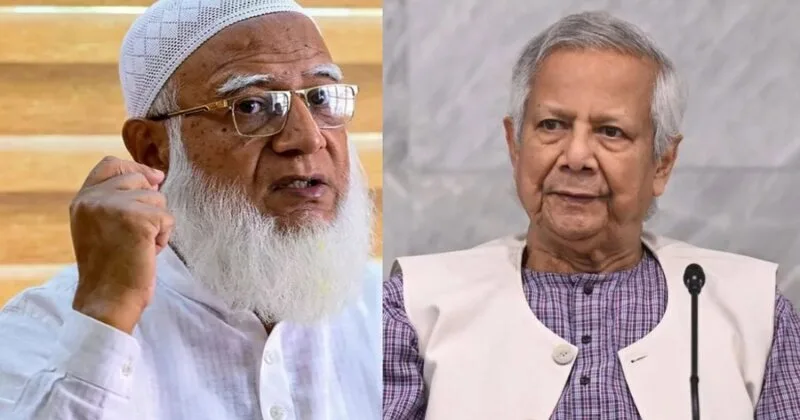
Dhaka: Shafiqur Rahman, chief of Jamaat-e-Islami, was defeated at his own polling centre in Mirpur, Dhaka, during Bangladesh’s closely watched national elections. The setback came after Rahman cast his vote on February 12 at the Monipur School and College (Boys’ Branch) polling station, where results revealed a razor-thin margin against him.
Jamaat Chief falls short in Mirpur showdown
According to local polling data, Rahman secured 560 votes under his party’s “Dari Palla” (weighing scale) symbol. However, Shafiqul Islam Khan, the candidate backed by the Bangladesh Nationalist Party (BNP), edged ahead with 565 votes. Out of 1,174 ballots cast at the centre, 27 were declared invalid, leaving Rahman trailing by just five votes. The result drew significant attention as it reflected the intensely competitive political environment shaping Bangladesh’s electoral landscape.
Broader Implications
The defeat quickly became one of the defining moments of the election’s early phase, sparking debate among political observers and supporters. The broader national election has been described as historic, with multiple parties and coalitions vying for influence amid discussions on governance, economic priorities, and political reforms.
Early trends suggested that Tarique Rahman remained a prominent contender nationally, while a Jamaat-led 11-party alliance, including the National Citizen Party, formed by leaders connected to the 2024 student uprising, was seen as a potential challenger capable of reshaping the country’s political dynamics.