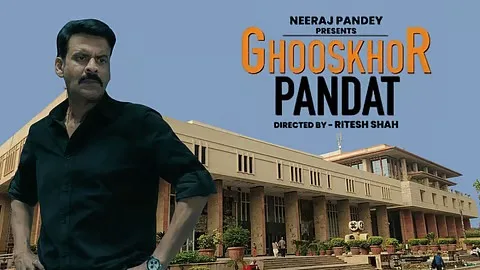
Netflix India on Tuesday (Feb 10) told the Delhi High Court that it has decided to change the title of its upcoming film Ghooskhor Pandat, starring Manoj Bajpayee, after facing widespread backlash and legal challenges over the name. The submission was made before Justice Purushaindra Kumar Kaurav during the hearing of a petition seeking a stay on the film’s release on the grounds that the title was “offensive” and “defamatory”.
Recording the statement made on behalf of the streaming platform, the court noted that the producer had taken a “conscious decision” to rename the film in light of concerns raised. “The producer has taken a conscious decision in light of the concern that has arisen to change the title of the film from Ghooskhor Pandat to an alternate title which more accurately reflects the film’s narrative and intent,” Justice Kaurav stated in his order.
Senior counsel appearing for Netflix informed the court that the film is a fictional police drama and is currently in the editing stage. The counsel submitted that the controversy surrounding the title had led to “unintended interruptions” that were not aligned with the actual content or intent of the film. The court was also told that all promotional material carrying the earlier title had been taken down.
In view of Netflix’s assurance to change the title, the Delhi High Court disposed of the petition, observing that “nothing more was required to be adjudicated” in the matter.
The film, directed by Neeraj Pandey, was announced earlier this month and soon triggered criticism on social media. Several users described the title as casteist and offensive, alleging that it unfairly associated a religious identity with corruption. The word “ghooskhor” translates to “bribe-taker”, and critics argued that linking it with “pandat,” a term associated with Hindu priests, was derogatory.
An FIR was also registered in Uttar Pradesh against the makers of the film for allegedly hurting religious sentiments. The petitioner before the High Court, Mahender Chaturvedi, who identified himself as an acharya, contended that the “malicious” association of the word “pandat” with bribery and corruption damaged the dignity and reputation of his community.
The plea argued that the title amounted to an insult to religious and cultural identity and asserted that the right to creative freedom could not extend to defamatory portrayals. With Netflix agreeing to alter the title, the legal challenge before the Delhi High Court has now been brought to a close.