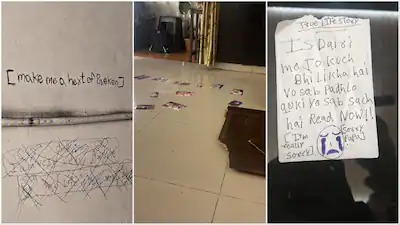
In the stillness of the early hours of Wednesday (February 3, 2026), a high-rise residential complex in Ghaziabad became the scene of a devastating tragedy.
Three sisters aged 15, 14 and 11, allegedly jumped from the ninth-floor balcony of their apartment in Bharat City Society, located under the jurisdiction of Teela Mor police station.
Police received an emergency alert at around 2.15 am. A Police Response Vehicle rushed to the spot, and the injured minors were immediately taken by ambulance to a hospital in Loni. Doctors declared all three dead on arrival.
By morning, the residential tower stood silent. Neighbours gathered in disbelief. Inside the family’s apartment, one locked room began to reveal fragments of what the children may have been carrying silently for months.
‘I am very, very alone’
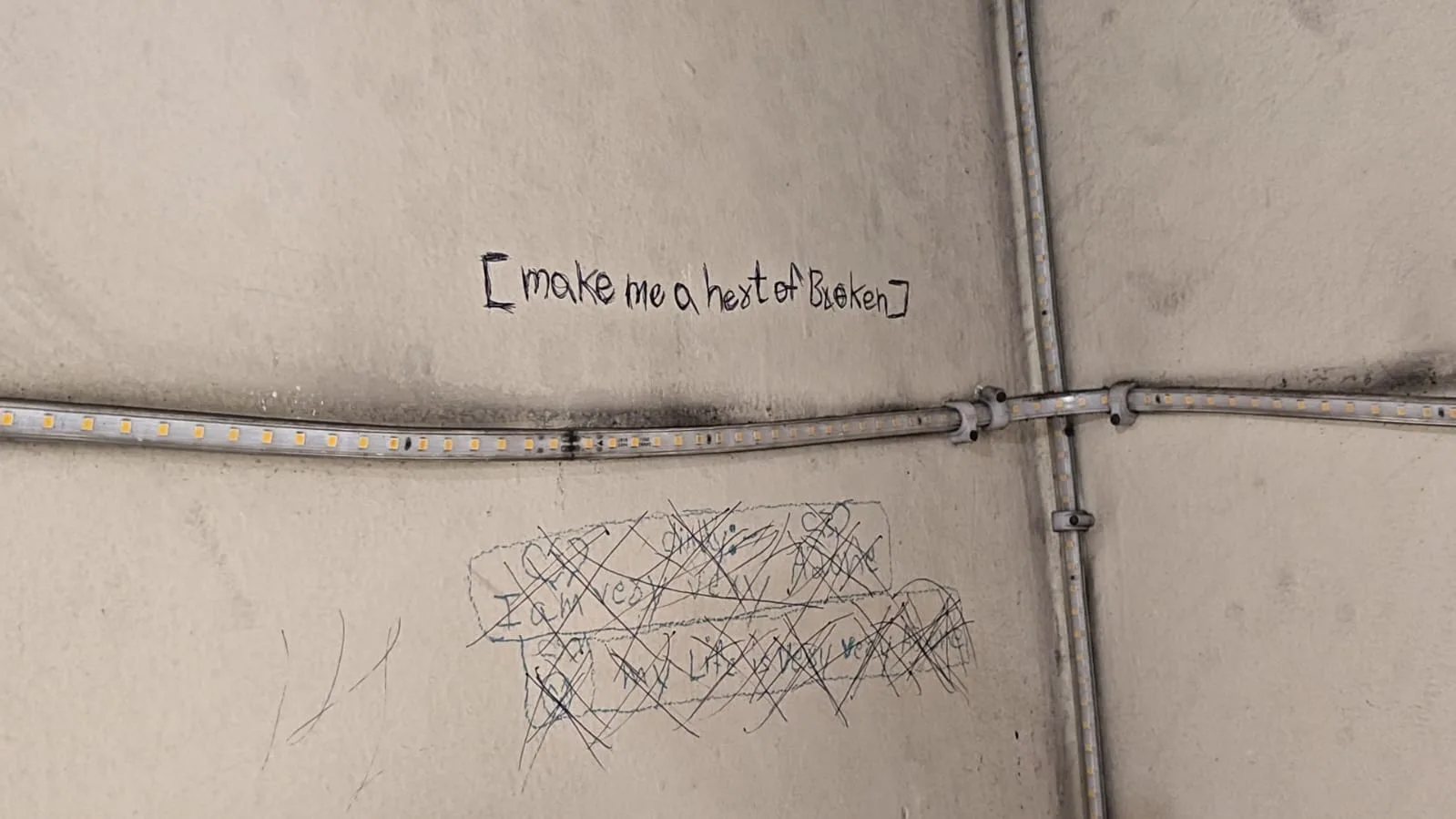
During a search of the apartment, investigators recovered several handwritten, scribbled notes left inside the girls’ room. The lines, brief yet haunting, spoke of deep loneliness and emotional distress.
Among the messages were phrases such as:
“I am very, very alone,”
“My life is very, very alone,” and
“Make me a heart of broken.”
Police officials said these fragments have been seized and sent for forensic examination. Investigators are now trying to determine when the notes were written, whether all three sisters contributed to them, and how directly they relate to the events of the night.
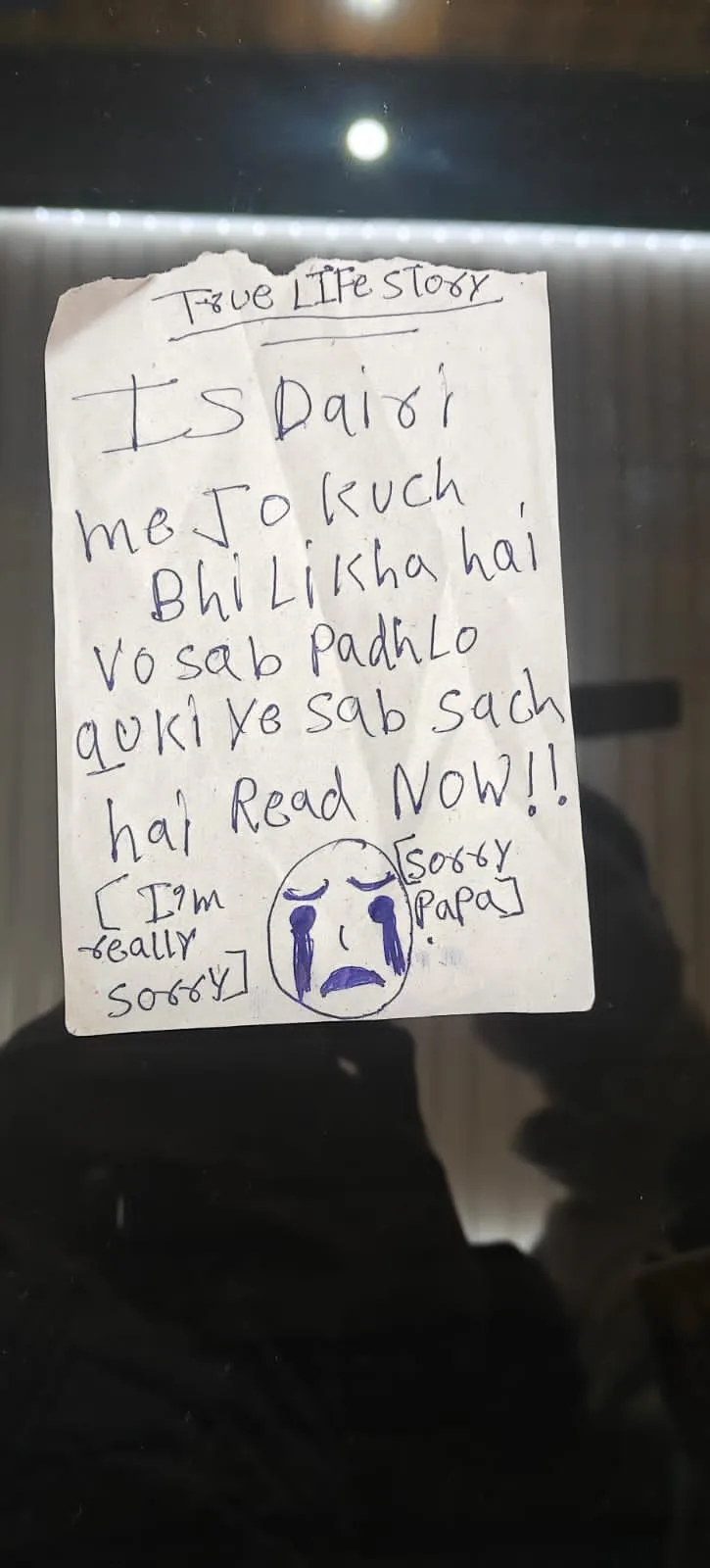
Beyond the scattered notes, police also recovered a longer suicide note, reportedly titled ‘TRUE LITTLE STORY’. According to investigators, the note carried a chilling instruction: that a diary kept in the room must be read, asserting that “everything written in it is true.”
One line, addressed directly to the girls’ father, read: “I’m really sorry… sorry papa.”
Fresh Details Emerge
Fresh details emerged after police confirmed the recovery of a nine-page pocket diary, believed to have been written primarily by the eldest sister.
Deputy Commissioner of Police (Trans-Hindon) Nimish Patil said the diary has been seized and is being examined as part of the ongoing probe.
“We are examining the circumstances in which the diary was written and all related aspects,” Patil told PTI.
A translated version of several handwritten pages, originally in Hindi, paints a picture of deep emotional turmoil, intense attachment to Korean culture, distress over restrictions, and fear of marriage.
The translated diary opens with the words: “We are love Korean love love love… sorry.”
In another passage, the sisters allegedly wrote: “Go ahead, try to take Korean away from us. Korean was our life. How did you even have the courage to try to separate us from our lives? Here, now you have the proof.”
The entries go on to claim that Korean actors and K-Pop groups were loved “even more than we loved our own family members,” adding that Korean culture was at the centre of their emotional world.
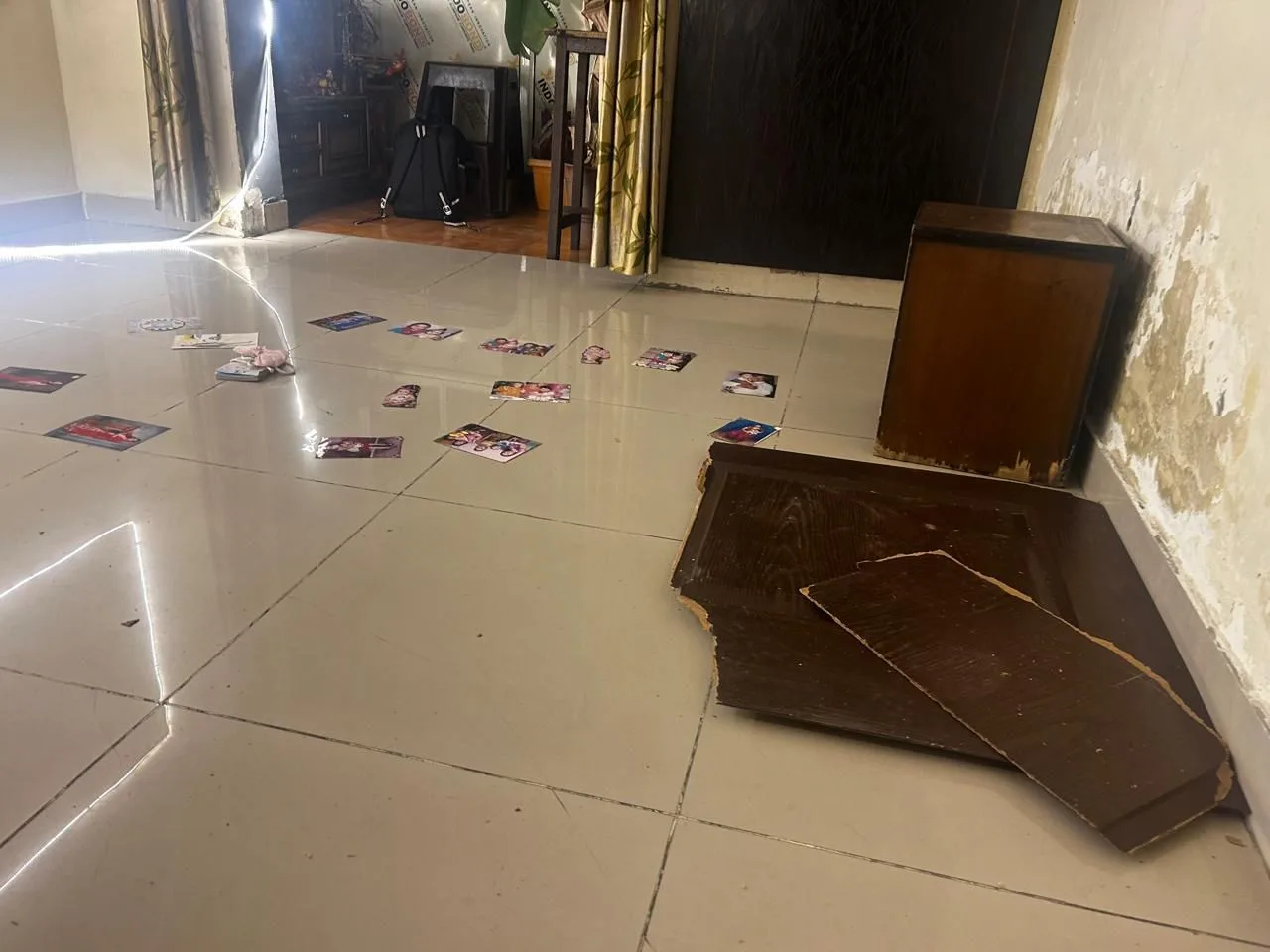
When police forced open the door to the sisters’ room, they found photographs and papers strewn across the floor. Officers said these were among the first items noticed upon entry and were immediately preserved as evidence.
According to the translated pages, the sisters listed their favourite interests, which included:
- Korean, Chinese, Thai and Japanese actors
- K-Pop music
- Western movies and cartoons
- Mobile games and online creators
“So these were our favourite things that we loved more than our hearts,” the diary reads, adding, “And Korean and K-Pop were above everything else.”
The diary also refers to tensions within the family, including objections raised by relatives over a boy named Dev, whom the sisters allegedly wanted to introduce to Korean culture.
“Then we felt very bad, so we decided to make that Dev our enemy,” one passage states, adding: “We are Korean and K-Pop, and you are India and Bollywood.”
More disturbingly, the translated diary alleges physical punishment and emotional distress.
“Brother, we didn’t live in this world just to be beaten by you. Death is better than being beaten,” one line reads.
The sisters also wrote of fear and anxiety around marriage, stating: “We loved Koreans, and marriage to an Indian man? We never even expected this from ourselves.”
Investigators are now cataloguing the photographs to assess whether they indicate planning, emotional preparation, or a symbolic act before the alleged suicide.
Father alleges link to Korean task-based game
The girls’ father, speaking to reporters in visible anguish, alleged that his daughters were playing an online task-based Korean game. He claimed that forensic experts, after examining the nature of the game, informed him that its final objective involved suicide.
According to the family, the sisters did not own personal mobile phones but regularly used their parents’ devices. Police confirmed that the girls were frequent phone users and are now examining their digital footprint, including app usage, browsing history, and online interactions.
Senior police officials have cautioned against drawing premature conclusions. While acknowledging the children’s exposure to mobile phones and online content, they stressed that no final link to any specific game or app has yet been established.
A police officer said the sisters appeared to be influenced by Korean culture, and any connection to an online game is being thoroughly verified through technical and forensic analysis. Statements from family members, neighbours, and friends are being recorded.
“All aspects, psychological, social, digital are being examined,” an official said.
Bhopal case adds to concern
The Ghaziabad tragedy comes amid rising concern over gaming addiction among minors. Just hours earlier, a 14-year-old boy in Bhopal was found hanging in his room after his parents allegedly stopped him from playing games on his mobile phone.
In that case, police said no suicide note was recovered, but the boy’s phone has been seized. Family members claimed he was deeply addicted to an online game. Authorities are now probing whether the denial of phone access triggered the extreme step.
While investigators piece together evidence, the deaths of the three Ghaziabad sisters have reopened difficult questions, about childhood loneliness, emotional neglect, digital addiction, and parental awareness in an era where virtual worlds increasingly shape young minds.
The handwritten notes, the diary pleading to be read, and the quiet apology to a father left behind suggest not just a criminal investigation, but a collective failure to hear distress in time.
Authorities have reiterated that the probe is ongoing and urged the public to avoid speculation. But as the nation absorbs yet another loss of young lives, the tragedy stands as a stark reminder: behind screens and games, there may be silent battles children do not know how to name, until it is too late.