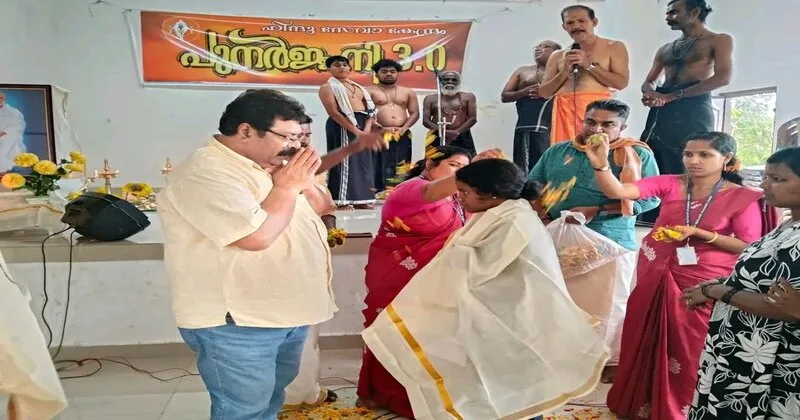
A different kind of headline just yeeted the mic in Kerala: Punarjani 3.0. Organised by the Hindu Seva Kendra and the Kerala Adivasi Samrakshana Samiti, 60 tribal families—who had been sweet-talked into Christianity generations back—said “Ab bas!” and pulled a massive U-turn to their ancestral Hindu Dharma.
Think of it less as “team-switch” drama and more like finally finding the TV remote under the cultural sofa after 100 years of “Netflix Christianity.” And the binge-watching isn’t stopping there; rumours are already swirling about Punarjani 4.0 being in the works for the Malabar region to accommodate the growing “waiting list” of families wanting to return.
1. Reclaiming the Original “User Manual”
Calling this “conversion” is like screaming at your kid for crawling back home after the neighbor’s “free candy” party turned out to be a bait-and-switch. Real conversion is a one-way expressway with “soft coercion” pit stops—rice bags during famines and mission schools being the only game in town.
Ghar Vapsi, on the other hand, is pure reverse gear. These Idukki and Wayanad Adivasis aren’t “shopping” for new faiths; they’re ditching the poorly-made sequel for the OG blockbuster of their forefathers’ traditions. As the vibe at the ceremony suggested: “No more imported masala—pass the home-cooked thepla!”
2. Fact Check: Choice or Colonial Bait?
Critics often clutch their pearls over “freedom of choice,” but Kerala’s tribal history reads like a bad soap opera of economic arm-twisting rather than spiritual epiphanies.
• The “Rice Christian” Legacy: Historical data from the Travancore and Malabar belts shows a pattern of “aid-for-faith.” During crises, colonial missionaries dangled clinics and storybooks; if you wanted to be schooled, you had to be baptized.
• Identity Erasure: In Wayanad, generations of tribal kids were alienated from their local deities via “compulsory” religious workbooks. Punarjani 3.0 is essentially the ultimate Ctrl+Z—families hitting “system restore” on decades of identity erasure.
3. The Boomerang Effect: Numbers Don’t Lie
If anyone thinks this is a “poaching” prank, the Kerala gazettes spill the real chai. Hinduism is the biggest “gainer” in religious shifts in the state, snagging 47% of all recorded reconversions. In 2020 alone, 241 official “boomerangs” were documented. The Punarjani series itself has already welcomed over 110 families in just the first two months of 2026. Missionary hype tends to fade like yesterday’s biryani, but puja bells and Holi colors eventually call collect. When the “shiny party” across the street starts serving stale snacks, those deep Desi roots win the reunion every time.
4. Conversion vs. Homecoming: The Desi Roast
Let’s break it down with some home-grown logic:
• Conversion: A flashy flyer promises “free dessert,” only to trap you in a lifetimemenu subscription you never actually swiped right for.
• Ghar Vapsi: The pizza binge finally ends and you realize nothing beats Dadi’s rasamrice. It’s not “new food”—it’s the food you were born to eat.
The Final Verdict: The Seat was Always Booked
Ghar Vapsi isn’t “joining a club”—it’s the ultimate “Sorry, took a wrong turn, but I’m back for dinner!” move. These 60 families aren’t “converting”; they are de-coercing themselves from a history of bad bets.
With thousands un-flipping their status statewide and the momentum building for Punarjani 4.0,
it’s clear the grass on the other side was just painted green. Welcome home, folks—the chai is
hot, the roots run deep, and you definitely don’t need a GPS when Sanatan is your default map.