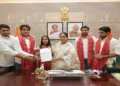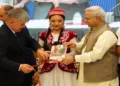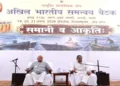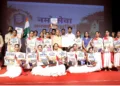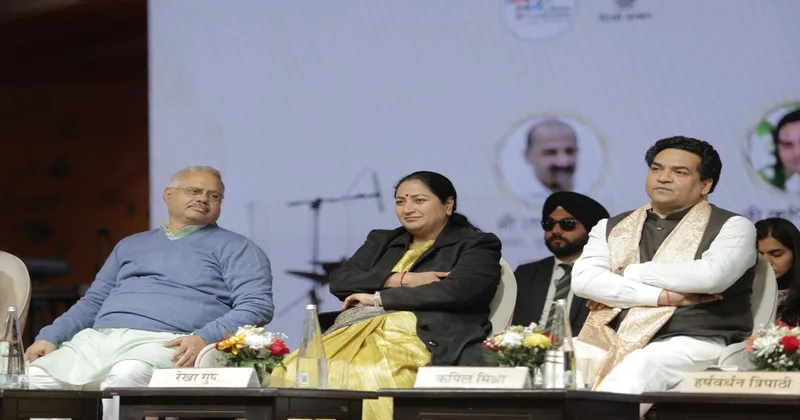
NEW DELHI: The three-day Delhi Shabdotsav, envisioned as a confluence of Indian literature, culture, cinema, and civilisational discourse, began on a grand note on December 2 with Delhi Chief Minister Rekha Gupta inaugurating the festival amid the presence of senior political leaders, cultural thinkers, and intellectuals from across the country.
Addressing the inaugural session, CM Rekha Gupta described the present era as a period of Indian renaissance, emphasising that technological and scientific advancements must be complemented by cultural and value-based growth. She asserted that India’s civilisational roots have remained resilient despite centuries of invasions and external influences, owing to the strength of its cultural foundation.
“Our roots are so deep and strong that despite repeated assaults on our civilisation, India has remained intact. Along with scientific advancement, cultural refinement is equally essential,” Gupta said. She added that the Delhi Shabdotsav is a unique initiative that has not been observed at this scale in the capital and reflects India’s enduring spirit of unity in diversity.
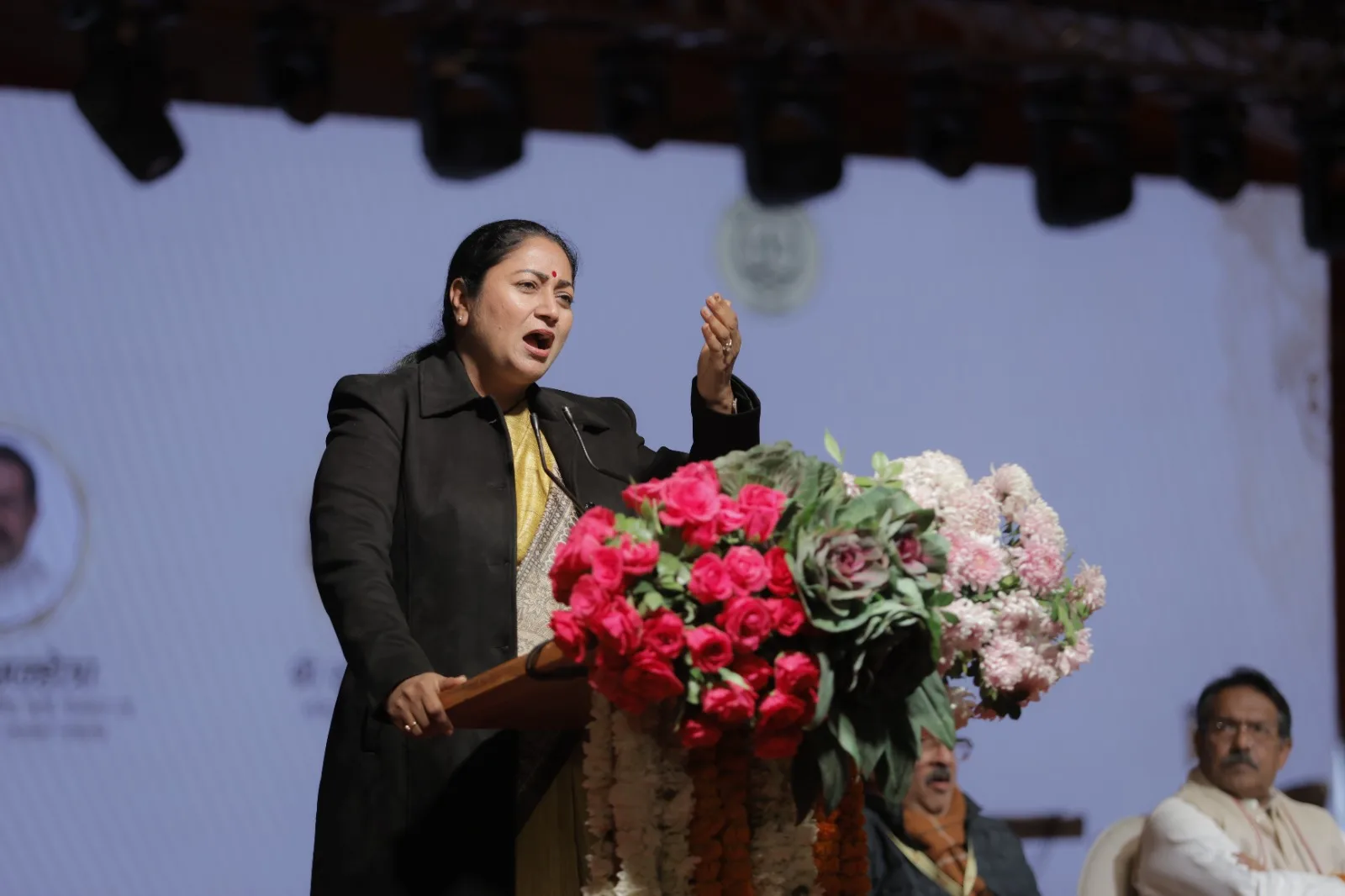
The Chief Minister highlighted that the festival symbolises a dialogue between eras — from the Vedic age to the digital age — bringing together traditional wisdom and contemporary expression. Referring to book releases held during the festival, she said such initiatives would strengthen nationalist intellectual thought and provide a democratic platform for young voices through open mic sessions.
“This is a time when the youth must be encouraged to articulate their ideas fearlessly. Delhi Shabdotsav is providing precisely that space,” she noted.
The event was inaugurated with traditional lamp lighting and Vedic chants by CM Rekha Gupta, Delhi Culture and Tourism Minister Kapil Mishra, Union Minister of State Harsh Malhotra, RSS Akhil Bharatiya Prachar Pramukh Sunil Ambekar, Suruchi Prakashan’s Rajeev Tuli, and festival convenor and senior journalist Harsh Vardhan Tripathi.
Welcoming the guests, Rajeev Tuli of Suruchi Prakashan described Shabdotsav as a “cultural Kumbh,” made possible through collective efforts of volunteers from across the country. He credited governmental support for enabling such large-scale cultural initiatives and said the festival aimed to rekindle India’s literary and intellectual heritage.
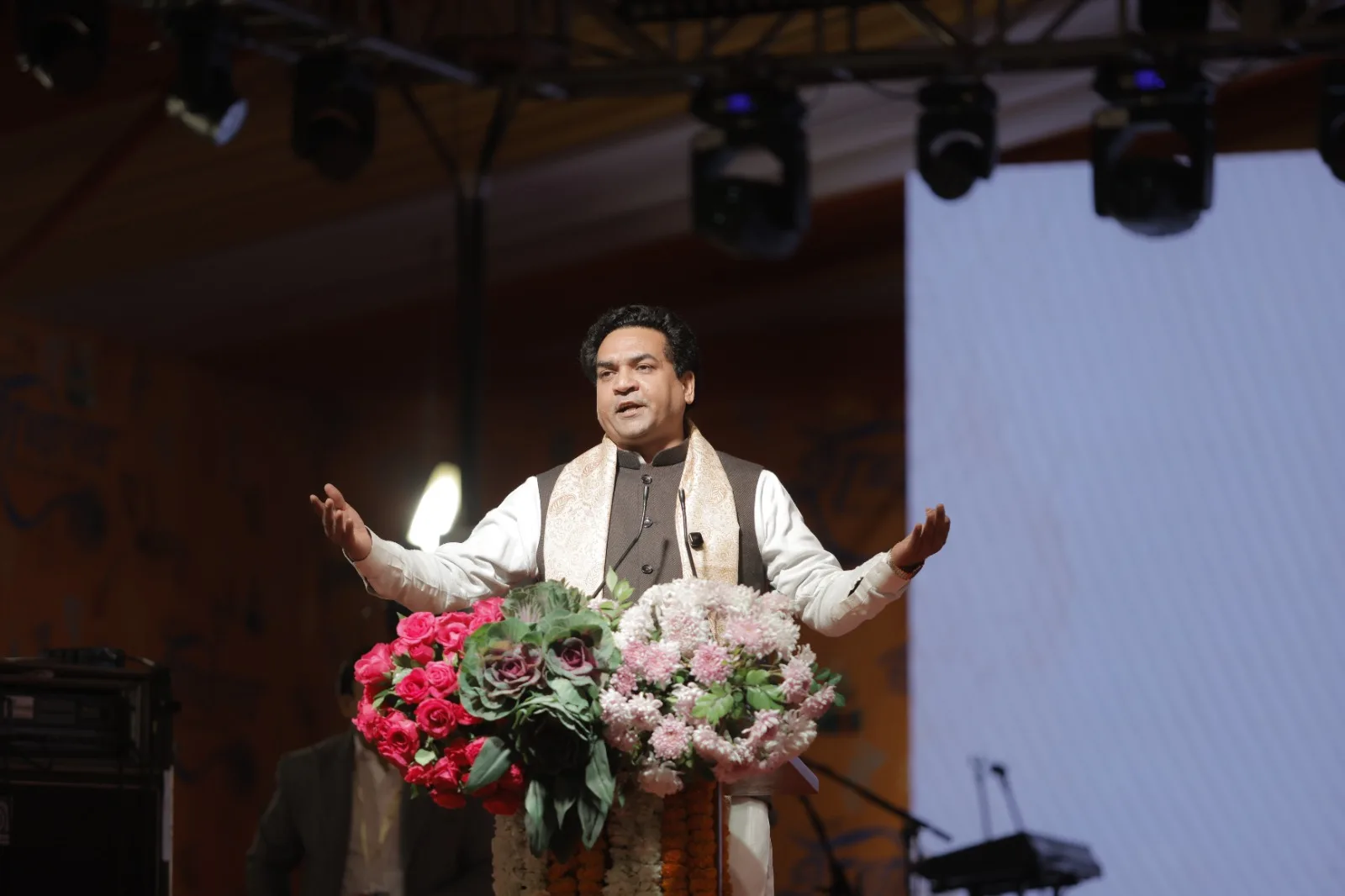
Delhi Minister Kapil Mishra, speaking at the event, said the capital’s cultural landscape had been drifting away from its roots but was now witnessing a corrective shift. He termed the Shabdotsav a “surgical strike against ideological distortion” and said the festival would help re-establish Delhi as India’s cultural capital. Mishra also remarked that India’s younger generation, often labelled as Gen Z, is deeply rooted in Sanatan values.
Union Minister of State Harsh Malhotra described the Shabdotsav as a microcosm of Indian culture and said such platforms would play a crucial role in connecting youth with civilisational values. Drawing parallels with ancient Indian education systems, he said the National Education Policy introduced by the Prime Minister reflects the holistic approach once championed by thinkers like Acharya Chanakya.
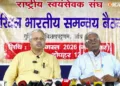
Akhil Bharatiya Prachar Pramukh, RSS Sunil Ambekar, underlined the philosophical importance of language, describing “shabd” (word) as Brahma itself. He cautioned that misuse of words in modern times has led to confusion among younger generations and stressed the need to restore their true meaning. While acknowledging the advancements of the AI era, Ambekar said technology must remain anchored in cultural consciousness.
Festival convenor Harsh Vardhan Tripathi emphasised the pivotal role of youth in shaping national discourse. He clarified that the Shabdotsav is not about imported ideologies but about indigenous narratives rooted in India’s spiritual and cultural ethos. He also announced plans to take the festival to an international platform in the future.
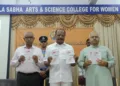
The Delhi Shabdotsav features multiple platforms, including literary sessions, cultural performances, panel discussions, pamphlet forums, and open mic events. Ten books were released at the inaugural session. The event concluded with stage proceedings conducted by Vikas Kaushik and a formal vote of thanks by Rajnish Jindal.