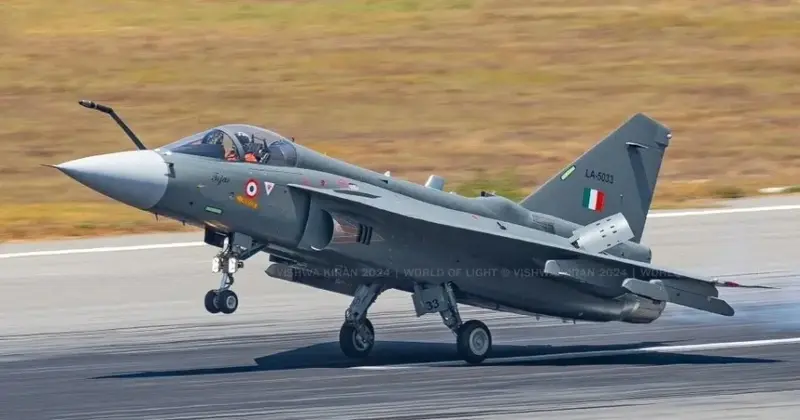
Between November 23 and November 28, 2025, a wave of misinformation targeted India’s Tejas Light Combat Aircraft (LCA), spreading false narratives about its first potential export deal. The claims, amplified primarily on X (formerly Twitter), suggested that Armenia had halted negotiations for purchasing 12 Tejas jets after a crash at the Dubai Airshow on November 21, 2025. These narratives were widely circulated by foreign-linked accounts operating from Pakistan, Turkey, West Asia, and South Asia, often under disguised identities.
The Dubai Airshow incident, which saw the unfortunate crash of a Tejas aircraft during an aerobatic display, was used as the catalyst for these coordinated disinformation campaigns. While the crash itself was tragic, the subsequent claims about halted negotiations were entirely fabricated. No credible reports from Armenian officials, mainstream media outlets, or defense sources confirmed any suspension of talks with India regarding the Tejas aircraft.
Analysis indicates that these 20 accounts worked in a coordinated manner to amplify the false narrative, aiming to damage India’s global defense credibility. Many of these accounts selectively cited unverified information, misrepresented facts, and used emotionally charged language to create a sense of panic and skepticism about India’s indigenous defense capabilities. The narrative falsely suggested that India’s “Make in India” defense initiatives were failing at the international level.
This report systematically documents each of these 20 disinformation incidents, highlighting the dates, accounts, their locations, and the fake claims they propagated. By presenting the information in a factual, verifiable manner, this article seeks to expose the coordinated nature of these campaigns and underline the need for vigilance against misinformation targeting India’s strategic defense programs.
The following sections detail each incident, with proper references to the source URLs, ensuring transparency and credibility while countering the spread of fake news.
Incident 1: OceanNewsUK Amplifies False Claim of Armenia Halting Tejas Deal
Date: Nov 28, 2025
Account: @OceanNewsUK (Pakistan-based, connected via Pakistan App Store)
Source: Link
Following the Dubai Airshow crash on November 21, 2025, @OceanNewsUK posted a fabricated narrative claiming that Armenia had “quietly pulled the plug” on negotiations to purchase 12 Tejas fighter jets. The post alleged that the crash, which reportedly killed Wing Commander Namash Siyal, was a turning point that shattered trust in India’s defense program. It further exaggerated concerns about the aircraft’s reliability and integration, suggesting that Armenia had lost confidence in Tejas as a combat-ready platform.
The tweet went on to question India’s “Make in India” defense credentials, falsely portraying the crash as a major international embarrassment. The claim lacked any credible evidence or confirmation from Armenian officials or defense authorities. This disinformation piece was clearly designed to tarnish India’s defense export reputation by creating a misleading narrative of failure.
Incident 2: Clash Report Propagates False Suspension of Negotiations
Date: Nov 26, 2025
Account: @clashreport (Turkey-based, connected via Turkey App Store)
Source: Link
@clashreport posted that Armenia had suspended its negotiations to buy 12 Indian-made Tejas jets, allegedly following the Dubai Airshow crash. The tweet emphasised that the cause of the crash was “unclear” and claimed that the incident had already damaged the jet’s reputation, presenting the halt as a direct consequence of the crash.
No credible sources corroborated this assertion, and official communications from both Indian and Armenian authorities confirmed that discussions regarding Tejas sales were ongoing. This post reflects a deliberate attempt to spread misinformation in a sensationalist manner, leveraging the timing of the crash to create false alarm about India’s defence exports.
Incident 3: Current Report Shares Deleted Tweet on Armenia Deal
Date: Nov 26, 2025
Account: @Currentreport1 (South Asia-based, connected via South Asia Android App)
Source: Link
@Currentreport1 initially tweeted that Armenia had halted negotiations to purchase 12 Tejas jets worth $1.2 billion after the Dubai Airshow crash. The tweet has since been deleted but was actively circulated and retweeted, demonstrating the transient yet impactful nature of misinformation on social media.
The deletion of the tweet does not mitigate the spread of false information, as screenshots and re-uploads by other accounts kept the narrative alive. This incident highlights how quickly misinformation can propagate, even when originating from a single, unverifiable source.
Incident 4: Sulaiman Ahmed Posts Fabricated Suspension of Tejas Deal
Date: Nov 26, 2025
Account: @Sulaimanahmed (UK-based, connected via United Kingdom App Store)
Source: Link
@Sulaimanahmed circulated a similar claim that Armenia had suspended the purchase of 12 Indian-made Tejas jets. The post echoed narratives from other accounts, emphasising the “first export sale” angle and the alleged impact of the Dubai Airshow crash on Armenia’s decision.
The claim lacked official confirmation and mirrored a coordinated pattern of repeating the same false narrative across multiple accounts, often with minor linguistic variations to appear independent.
Incident 5: War Intel Tweets Major Setback for India
Date: Nov 26, 2025
Account: @warintel4u (Pakistan-based, connected via United Kingdom App Store)
Source: Link
@warintel4u posted a “breaking news” tweet claiming a major setback for India, asserting that Armenia had suspended negotiations for the Tejas deal worth $1.2 billion following the Dubai Airshow crash. The post reinforced the false perception of a loss of confidence in Tejas’ safety and performance.
Once again, there was no verification from any Armenian or Indian defense source. The narrative relied on dramatic language to amplify fear and doubt, reflecting a coordinated disinformation strategy targeting India’s defense credibility.
Incident 6: War Updates FC Falsely Claims Armenia Suspended $1.2 Billion Tejas Deal
Date: Nov 26, 2025
Account: @k_c_shivansh (India-based, connected via Web)
Source: Link
@k_c_shivansh tweeted that Armenia had suspended negotiations for 12 Tejas fighter jets following the Dubai Airshow crash. The post highlighted the $1.2 billion deal and claimed the incident cast doubt on Tejas’ reliability. The tweet implied that this setback had immediate repercussions for India’s defense exports, despite no official confirmation.
The account’s post mirrors the disinformation trend seen in other accounts, using dramatic framing to suggest a loss of international trust in India’s indigenous fighter jet program.
Incident 7: ProPakistani Publishes Misleading Claim on Deal Suspension
Date: Nov 26, 2025
Account: @ProPakistaniPK
Source: Link
ProPakistaniPK shared a post claiming that Armenia had put Tejas purchase talks on hold, citing the Dubai Airshow crash as the reason. The account referenced a broader article claiming European buyers were reconsidering their positions, though no such orders existed.
The post amplified misinformation by linking an external source without verification, contributing to the perception that India had lost credibility in defense exports.
Incident 8: The Saviour Posts Alleged Safety Concerns Over Tejas
Date: Nov 26, 2025
Account: @TheSaviour (UK-based, connected via US App Store)
Source: Link
@TheSaviour tweeted that Armenia had paused talks for 12 Tejas jets, citing safety concerns after the Dubai crash. The post explicitly mentioned the $1.2 billion deal being “on hold” due to alleged safety issues.
No credible reports or official statements corroborated these claims. The narrative was consistent with other accounts’ attempts to create alarm over India’s defence exports.
Incident 9: Pakistan Strategic Prism Highlights Alleged Halt Following Fatal Crash
Date: Nov 26, 2025
Account: @StrategicPrism1 (Pakistan-based, connected via Pakistan App Store)
Source: Link
@StrategicPrism1 propagated a detailed false narrative, claiming the crash killed Wing Commander Namansh Syal and led to Armenia halting Tejas negotiations. The post added historical context, mentioning a previous Tejas crash in March 2024 in Jaisalmer, Rajasthan.
While factual about the earlier crash, the claim about Armenia withdrawing from the deal was entirely fabricated. The post aimed to establish a pattern of failure, portraying Tejas as unreliable despite no official evidence.
Incident 10: The Jerusalem Post Account Reports Fake Freeze in Talks
Date: Nov 25, 2025
Account: @Jerusalem_Post (Israel-based, connected via Israel App Store)
Source: Link
The account falsely reported that Armenia had frozen talks for India’s Tejas fighter jets following the Dubai crash, warning that the $1.2 billion order and business for Israeli suppliers were at risk.
This post not only spread misinformation about Tejas but also attempted to link the fake claim to broader international defense trade concerns, amplifying the perceived global impact of a non-existent suspension.
Incident 11: Arun Kumar Tweets in Hindi About Halted Tejas Talks
Date: Nov 25, 2025
Account: @arunbwn (India-based, connected via India Android App)
Source: Link
@arunbwn posted in Hindi that Armenia had halted negotiations for the Tejas Mk-1A after the Dubai Airshow crash. The tweet emphasised that this was not just a single deal’s loss but a challenge to India’s overall defense export credibility. It urged HAL and IAF to demonstrate that Tejas’ reputation depended on technology and reliability, not an isolated incident.
This post reinforced the false narrative of suspension while attempting to frame it in a domestic discourse context, increasing reach and engagement among Indian audiences.
Incident 12: PLA Military Updates Reports Suspension Falsely
Date: Nov 23, 2025
Account: @PLA_MilitaryUpd (Hong Kong-based, connected via Web)
Source: Link
@PLA_MilitaryUpd falsely claimed that Armenia had suspended negotiations for India’s LCA Tejas, citing Hindustan Times as a source without actual evidence. This post added international credibility by invoking a reputed news outlet, despite the claim being unverified and misleading.
Such posts exemplify tactics used to make disinformation appear legitimate and trustworthy to global audiences.
Incident 13: The Daily CPEC Shares False News
Date: Nov 23, 2025
Account: @TheDailyCPEC (Pakistan-based, connected via Pakistan App Store)
Source: Link
@TheDailyCPEC tweeted that Armenia had suspended negotiations for India’s LCA Tejas aircraft. The post mirrored multiple other accounts in spreading the same fabricated claim, showing a clear pattern of coordinated disinformation.
By emphasizing a “breaking” tone, the tweet attempted to create urgency and influence perceptions among audiences interested in defense affairs.
Incident 14: Habiba Tweets Suspension Claim
Date: Nov 24, 2025
Account: @noturmomyyy (Pakistan-based, connected via Pakistan App Store)
Source: Link
@noturmomyyy shared a post claiming Armenia had officially suspended its agreement to purchase India’s Tejas fighter aircraft. Like other accounts, this post leveraged the Dubai Airshow crash to amplify fear regarding the jet’s reliability.
This incident reflects the repetitive nature of the disinformation campaign, where multiple accounts across countries disseminated near-identical messages to enhance perceived legitimacy.
Incident 15: Daily Iran News Spreads Fake Suspension News
Date: Nov 23, 2025
Account: @DailyIranNews (West Asia-based, connected via North America App Store)
Source: Link
@DailyIranNews tweeted that Armenia had suspended negotiations for India’s LCA Tejas aircraft. The account did not provide verifiable sources and relied on the existing false narrative circulating on X.
This post contributed to the global spread of misinformation, demonstrating how disinformation networks exploit international accounts to amplify false narratives about India’s defense exports.
Incident 16: MediaCrooks Tweets Misleading Claim About Tejas Orders
Date: Nov 28, 2025
Account: @mediacrooks (India-based, connected via Web)
Source: Link
@mediacrooks falsely claimed that no country had placed orders for Tejas jets and that Armenia had withdrawn from discussions. The post suggested that even if HAL offered discounts, only Indian citizens could buy them for private use. This tweet misrepresented ongoing export discussions and created a misleading narrative of Tejas’ global disinterest.
Incident 17: kalki Posts Politically Charged Misinformation
Date: Nov 27, 2025
Account: @WayneClark202 (India-based, connected via India Android App)
Source: Link
@WayneClark202 posted a politically charged statement claiming that someone was “working hard to damage this nation forever,” indirectly connecting it to the Tejas deal narrative. The post was misleading, mixing false defense-related claims with political insinuations, further spreading panic and distrust.
Incident 18: Zee Tweets Alleged Halt of $12 Billion Tejas Deal
Date: Nov 28, 2025
Account: @MhaskarChief (India-based, connected via India Android App)
Source: Link
@MhaskarChief falsely claimed that Armenia paused a $12 billion Tejas deal after the Dubai crash, citing Israeli supplier concerns. The post misrepresented the actual deal value and falsely suggested the sale’s suspension, despite no confirmation from Armenian or Indian authorities. This demonstrates the spread of exaggerated misinformation using partial facts.
Incident 19: WAR Tweets Halt of Negotiations
Date: Nov 23, 2025
Account: @warsurveillance (South Asia-based, connected via South Asia Android App)
Source: Link
@warsurveillance posted that Armenia had halted negotiations for India’s Tejas fighter aircraft. The post aligned with the broader misinformation campaign, repeating false claims of a deal suspension. No verification from official sources exists, marking this as part of a coordinated fake news effort.
Incident 20: RKM Tweets Armenia and Brazil Suspended Negotiations
Date: Nov 23, 2025
Account: @rkmtimes (South Asia-based, connected via South Asia Android App)
Source: Link
@rkmtimes falsely claimed that both Brazil and Armenia had suspended negotiations for the purchase of Indian LCA Tejas aircraft. This tweet exaggerated the false narrative by including a second country, adding an international dimension to the misinformation and increasing its perceived severity.
Coordinated Disinformation Campaign on Tejas Deal
The 20 incidents documented above reveal a clear pattern of coordinated misinformation targeting India’s Tejas Light Combat Aircraft. Most of these accounts were foreign-linked, originating from Pakistan, Turkey, West Asia, and South Asia, and many used disguised identities to amplify false narratives. The timing of posts-immediately following the Dubai Airshow crash on November 21, 2025-demonstrates an orchestrated effort to exploit a sensitive incident for maximum impact.
The disinformation strategy relied on repetition, emotional language, and selective framing. Many accounts highlighted the alleged $1.2 billion deal, claimed Armenia “lost confidence” in Tejas, and portrayed the aircraft as unreliable. Some posts further exaggerated the situation, citing previous accidents or adding political insinuations to create panic. The repetition across multiple accounts made the narrative appear more credible, even though no official Armenian or Indian sources confirmed any suspension of negotiations.
By amplifying the perception of failure, these accounts attempted to damage India’s international defense credibility. The campaign also sought to undermine public confidence in India’s indigenous fighter aircraft program and the broader “Make in India” initiative, projecting the idea that Indian defense exports were unstable or untrustworthy. This is a textbook example of how misinformation leverages real incidents, like the Dubai crash, to fabricate false conclusions.
Furthermore, the involvement of accounts from multiple countries indicates a transnational effort to weaken India’s defence reputation. The repetition of identical or similar narratives, often with minor linguistic changes, suggests a coordinated network rather than isolated misinformation. The rapid spread of false claims underscores the importance of real-time verification and fact-checking in India’s defense communication strategies.
Impact on Perception and Defence Diplomacy
The disinformation campaign, while false, had the potential to influence both domestic and international perceptions. Investors, potential buyers, and defense partners might perceive India’s defense exports as less reliable, even if no official suspension occurred. Social media amplification can quickly create the illusion of a global consensus, which can complicate ongoing negotiations and strategic defense diplomacy.
Domestically, such posts risk undermining public confidence in India’s technological capabilities and indigenous defense programs. Misleading reports highlighting the “failure” of Tejas after a single incident could generate unwarranted criticism of HAL, IAF, and India’s broader defense initiatives. This type of narrative has a compounding effect, encouraging further fake news cycles and political commentary around perceived failures.
Following the Dubai Airshow crash on November 21, 2025, Indian defense authorities, including Hindustan Aeronautics Limited (HAL) and the Ministry of Defence (MoD), issued clarifications regarding the incident and countered false social-media claims.
HAL described the crash as an isolated incident, emphasizing that it does not reflect on the overall safety or reliability of the Tejas aircraft:
“We would like to bring to your attention that the recent incident during the aerial display at the Dubai Air Show is an isolated occurrence arising out of exceptional circumstances. We would like to assure that there is no impact on the Company’s business operations, financial performance or its future deliveries, “HAL.
The Ministry of Defence, through PIB and press releases, clarified that several social-media claims about the crash were false. One viral post suggested an oil leak, which authorities confirmed was part of standard Environmental Control System (ECS) and On-Board Oxygen Generating System (OBOGS) drainage procedures:
Lessons Learned from the Coordinated Fake News Campaign
The Tejas misinformation campaign highlights the growing sophistication of coordinated disinformation networks. First, it demonstrates the speed at which false narratives can spread globally, exploiting a single incident-in this case, the Dubai Airshow crash-to create the illusion of a larger crisis. Social media platforms, with their algorithmic amplification, can inadvertently increase the reach of such false claims.
Second, the campaign underscores the importance of vigilance in monitoring foreign-linked accounts. Many of the 20 identified accounts operated under disguised identities and targeted international audiences, creating a false sense of legitimacy. Repetition and minor linguistic variations across accounts strengthened the perception of authenticity, showing how coordinated campaigns can manipulate public perception without any factual basis.
Finally, the incidents highlight the critical need for timely and clear communication from official channels. Rapid clarification from HAL, the Ministry of Defence, and Indian defense authorities helped counter the false narratives. It emphasizes that proactive, transparent, and consistent information dissemination is crucial in mitigating the impact of misinformation on national defense credibility.
The 20 incidents analysed in this report collectively show how a tragic accident can be misused by foreign-linked actors to launch a coordinated attack on India’s defense reputation. While the Dubai Airshow crash was unfortunate, the claims that Armenia suspended negotiations for the Tejas fighter jets were entirely fabricated. No official confirmations support these allegations.
India’s defense exports, including the Tejas program, continue to hold credibility on the global stage, and efforts by HAL and MoD to maintain transparency have been effective in countering misinformation. These incidents serve as a reminder of the need for vigilance in both the digital and international arenas, highlighting the importance of fact-checking, real-time monitoring, and strategic communication.
Moving forward, India must strengthen mechanisms to detect coordinated disinformation campaigns, counter false narratives promptly, and safeguard its defense diplomacy.