





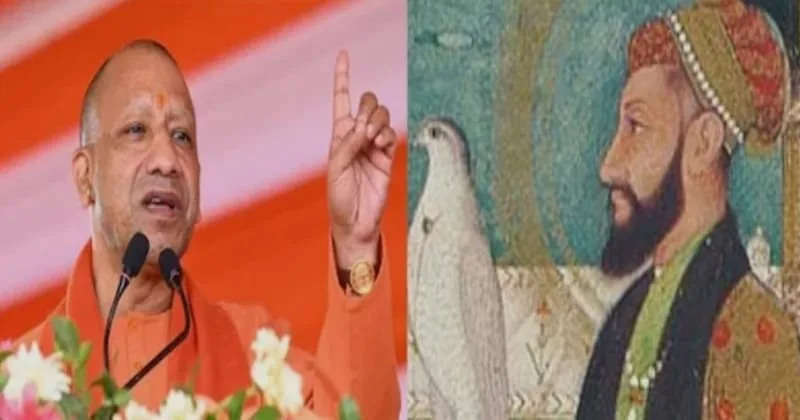
LUCKNOW: Uttar Pradesh Chief Minister Yogi Adityanath on November 25 launched a pointed critique of the Mughal rulers, claiming they sought to “Islamise the entire country” and targeted Hindu symbols and practices. Addressing a public gathering, he specifically criticised Mughal emperor Aurangzeb, alleging that he intensified religious persecution and used force to undermine Hindu traditions.
“Mughals had initiated a campaign to Islamise the whole of India,” Adityanath said. He claimed that Aurangzeb attempted to “erase the tilak and abolish the janeu” and accused him of committing widespread atrocities, including heightened oppression in J&K.
Referring to Sikh history, the Chief Minister noted that Guru Tegh Bahadur “stood up” during this time, serving as a defender against persecution. He recounted in detail the brutal torture endured by the Guru’s companions. “Bhai Mati Das was first tortured and sawed in half, Bhai Sati Das was wrapped in cotton and set ablaze, and Bhai Dayala was thrown into a vat of boiling water. Despite these sacrifices, Guru Tegh Bahadur Ji Maharaj remained steadfast in his faith and resolve,” he said.
Calling the day “a source of inspiration for all of us,” Adityanath described Aurangzeb as “a cruel ruler” intent on erasing Hindu identity markers. “He carried out atrocities across the country to eliminate the tilak and wipe out the janeu. Guru Tegh Bahadur Ji Maharaj raised his voice against these cruelties,” he said. “They prepared us to resist such acts of oppression.”
He further described the occasion as a moment of cultural resurgence, expressing his “good fortune” at attending the event after travelling from Ayodhya Dham. “The saffron flag of Sanatan has risen today,” he declared. “This is the same saffron flag for which generations in the Sikh community sacrificed their lives.”
















Comments