





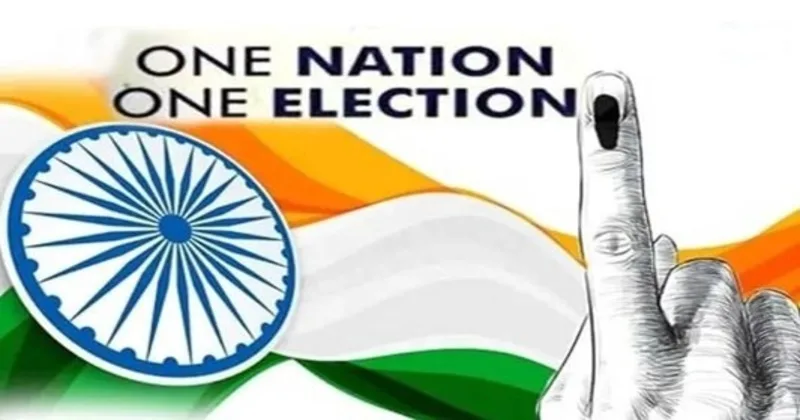
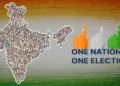
The proposal to implement “One Nation, One Election”(ONOE)—synchronizing polls for the Parliament, State Assemblies and Local Bodies—is not merely an administrative convenience; it is the fundamental democratic reboot our nation urgently requires. The debate, which is currently before Parliament, must move swiftly from deliberation to decisive action. The goal is clear: to enhance political resilience, reduce colossal state expenditure and restore policy focus.
The staggering cost of perpetual polling
The current system subjects the nation to a near-constant cycle of elections, a reality that has become detrimental to effective governance. The economic toll is staggering. Separate elections result in the repeated expenditure of public funds on logistics, security and personnel, collectively costing the exchequer thousands of crores every few months. ONOE is an economic imperative that promises massive financial savings.
Beyond the immediate cost, the continuous cycle creates administrative paralysis. The repeated and prolonged imposition of the Model Code of Conduct (MCC) halts key development projects and prevents governments from making crucial, long-term policy decisions. Synchronization would free up a vast administrative machinery—teachers, police and state employees—from relentless election duty, allowing them to concentrate on core public service delivery. Governance, after all, should be about policy implementation, not permanent campaigning.
The cure for voter fatigue
A large section of the electorate has grown disenchanted by the ‘now and then’ conduct of polls, often leading directly to voter fatigue and poor turnout. By simplifying the electoral process into a single, unified event, citizens save valuable time and are statistically more likely to participate. This surge in participation would make our largest democracy more buoyant, vibrant and genuinely participatory, restoring faith in the electoral mandate. When political parties are not in perpetual election mode, they are compelled to pivot from short-term populist appeals to comprehensive, issue-based strategies concerning the nation’s socio-economic future. This fosters a resilient and holistic approach to national development.
The pragmatic two-step roadmap
Implementing ONOE is undoubtedly complex, requiring significant constitutional amendments, but the roadmap suggested by the High-Level Committee is pragmatic. It envisions a two-step process:
- Phase I involves simultaneous elections for the Lok Sabha and all the state legislative assemblies, requiring a one-time adjustment(curtailment or extension) of assembly terms to align the cycles.
- Phase II synchronizes elections for municipalities and panchayats, holding them within a hundred days of the national and state polls.
Crucially, to maintain synchronicity, the committee recommends that should a government fall mid-term due to a no-confidence motion, the subsequent election would only be for the unexpired remainder of the five-year term. This provision is key to preventing the staggered poll cycle from restarting.
The imperative for action
While valid concerns exist regarding federalism and the potential for national issues to overshadow local ones, these are matters that must be addressed through constructive, cross-party deliberation, not paralysis.
It is disheartening to witness the limited progress so far. For a transformation of this magnitude—a radical and pragmatic change—what is needed is a dynamic and consensus-driven leadership within the parliamentary apparatus. We need a leadership that can cut through political inertia and forge the necessary consensus to deliver this monumental national goal.
Let us hope that Parliament recognizes the urgency. The opportunity to bring a sea change in the conduct of elections, streamline governance and deepen the foundation of Indian democracy is before us. It is an opportunity we must not and cannot afford to, squander.










Comments