





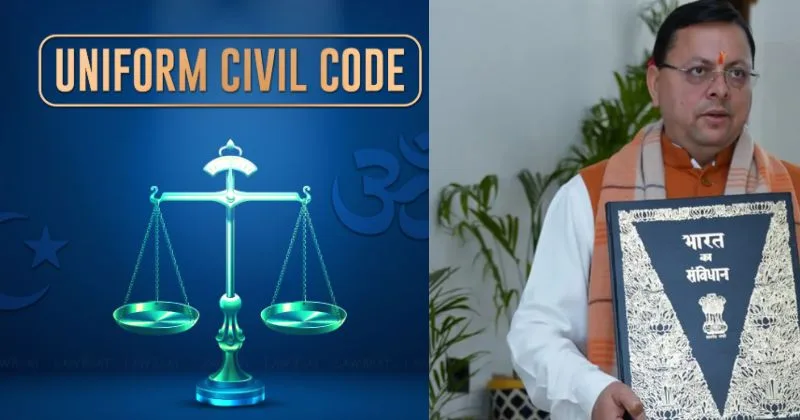
The Uttarakhand government has approved significant changes to the Uniform Civil Code (UCC) rules, broadening the range of documents that citizens can use for UCC-related registrations. These include applications for marriage, divorce, inheritance, and the mandatory registration of live-in relationships.
According to a report, the amendments were cleared by the state cabinet led by Chief Minister Pushkar Singh Dhami and were notified immediately by the Home Department.
The newly approved Uniform Civil Code (Fourth Amendment) Rules, 2025, mark a substantial departure from the earlier framework, where the Aadhaar card functioned as the primary or often exclusive identity document accepted on the official UCC portal.
A senior government official noted that “the definition of proof of identity has been substantially broadened,” allowing more flexibility and reducing hurdles in the registration process.
Under the revised rules, applicants may now submit passports, voter IDs, ration cards, PAN cards, driving licences, or any valid identity documents issued by central or state authorities. This shift replaces all earlier mentions of “Aadhaar number” or “Aadhaar” in the rules with the more inclusive term “proof of identity,” ensuring that applicants are not restricted by the availability or accessibility of a single document.
The amendments also improve the efficiency of the verification process. Sub-Registrars must now seek additional details from applicants within five days in standard cases, reducing procedural delays that have previously caused bottlenecks. For urgent matters, particularly those involving safety concerns or sensitive personal circumstances, the response window has been brought down to 24 hours.
Shailesh Bagoli, Secretary of the Home Department, confirmed that the Chief Minister approved the amendments through the deviation process, adding that they will be formally presented in the upcoming Cabinet meeting for ratification.
Uttarakhand created history earlier this year by becoming the first state in independent India to implement a Uniform Civil Code, which came into effect on 27 January 2025.
The ongoing revisions are aimed at addressing administrative challenges and incorporating field-level feedback to ensure smoother, safer, and more citizen-friendly implementation, especially in matters such as live-in relationship registrations, where enhanced security protocols are now a priority.
















Comments