





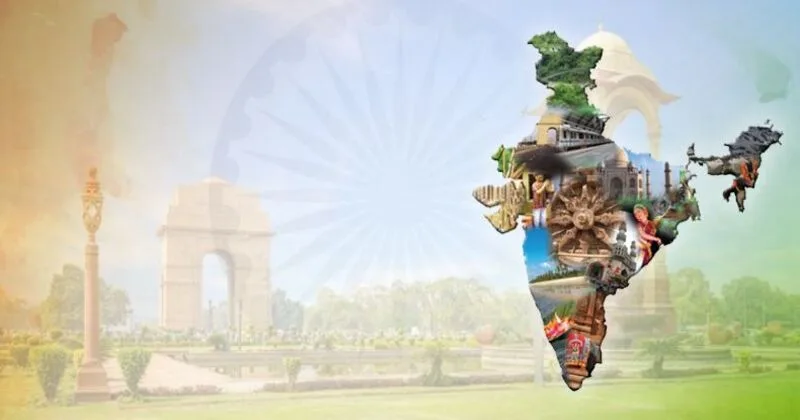
At a time when the world grapples with unrest, conflict and social fragmentation, we must pause to reflect on the values that define us as a nation. We are fortunate to be citizens of Bharat—a civilisation that has, for millennia, upheld peace, harmony and coexistence as core principles. Our identity has been shaped by a unique ability to embrace diversity and live together with mutual respect. Unity in diversity has not merely been a slogan; it has been our way of life.
History has not always been kind to us. Over centuries, foreign powers entered our land—some through trade, others through conquest. They extracted wealth, dismantled centres of knowledge and altered socio-cultural landscapes. Yet, despite these upheavals, our civilisational spirit endured. We continued to welcome all people—regardless of religion, region or ethnicity—and worked towards building a shared future. This openness reflects our enduring values: compassion, mutual respect and human dignity.
Bharat’s cultural and intellectual heritage is among the richest in the world. Our ancient scholars and sages made pioneering contributions in fields such as mathematics, astronomy, philosophy, medicine, architecture and governance. Our traditions of dialogue, inquiry and reverence for nature were deeply rooted in a worldview that recognised the interconnectedness of all life. These values, which we find echoed today in the global discourse on sustainability and climate resilience, were intrinsic to our way of living.
Yet, parts of our heritage were disrupted during periods of colonisation and political domination. Rich indigenous industries—from textiles to metallurgy and handicrafts—were weakened or replaced. Our traditional methods of agriculture, which relied on ecological balance and natural soil health, were progressively replaced by chemical-intensive practices during the later phases of modernisation. Encouragingly, many farmers today are returning to sustainable and organic farming, ensuring healthier produce and better livelihoods, while also restoring environmental balance.
Water conservation has always been central to Indian civilisation. Our ancestors built stepwells, tanks and sophisticated irrigation systems that reflected a deep respect for natural resources. However, the modern era has witnessed alarming levels of water pollution and misuse. Reviving traditional wisdom in environmental stewardship is essential if we are to secure clean water and ecological well-being for future generations.
Women have played vital roles in shaping our society. From ancient times, they have been scholars, leaders, warriors, entrepreneurs and knowledge-keepers. The stories of leaders such as Rani Lakshmibai, Rani Chennamma and Velu Nachiyar are symbols of courage and determination. Today, women continue to lead across fields including science, governance, business, arts and public service. When we empower women, we strengthen the nation.
As the world’s largest democracy and one of its youngest nations, India is driven by the aspirations of its youth. Our young innovators, professionals and entrepreneurs are contributing to global progress in technology, sustainability, healthcare and digital transformation. The National Education Policy, with its emphasis on flexibility, critical thinking, innovation and global competitiveness, is preparing students for a future where knowledge and responsibility go hand in hand.
Economic reforms in recent years have encouraged entrepreneurship, strengthened infrastructure and supported self-reliance. Initiatives to promote local industries have revitalised rural economies and encouraged pride in homegrown talent. Despite being one of the most populous countries in the world, India has managed to ensure food security and inclusive development through continuous social and economic initiatives.
Linguistic diversity is one of India’s greatest strengths. We are a nation that speaks in many tongues yet communicates as one people. Today, Members of Parliament may speak in any of the 22 recognised languages, with simultaneous translation ensuring that language is not a barrier in governance. This is a powerful affirmation of our commitment to linguistic inclusivity.
Across the world, Indians demonstrate remarkable adaptability—whether as professionals, students or community leaders. Their global presence reflects both cultural rootedness and openness to collaboration. In fields such as space research, healthcare technology, digital infrastructure and scientific innovation, Bharat has earned international recognition. We have shown that tradition and modernity need not be at odds—they can reinforce one another, creating a balanced and progressive society.
In essence, Bharat stands as a testament to resilience, inclusiveness and cultural continuity. Our civilization has withstood challenges, adapted to changing times and continued to uphold the values of mutual respect, peace and human dignity.
As we honour our heritage and advance toward the future, we must remain committed to preserving our environment, protecting our cultural legacy and fostering unity across communities. By doing so, we ensure that Bharat continues to illuminate the world as a symbol of harmony, wisdom and progress.











Comments