





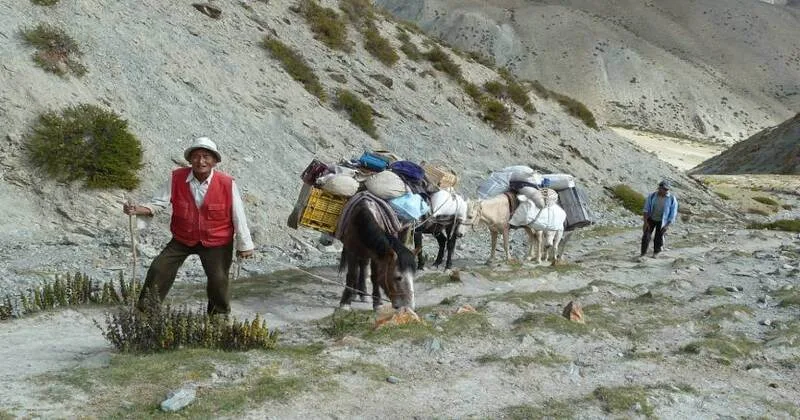
The Himalayas, a majestic range that crowns the northern frontier of India, are not only a geographical marvel but also a cradle of ancient civilisations, cultures, and traditions. Among the snow-capped peaks, high-altitude deserts, and deep valleys reside numerous indigenous tribes who have lived in harmony with nature for centuries. The Ladakh region, along with other Himalayan areas such as Himachal Pradesh, Uttarakhand, Sikkim, Arunachal Pradesh, and parts of J&K, is home to a mosaic of tribal communities. These tribes, including the Ladakhis, Baltis, Brokpas, Bhotias, Mons, Sherpas, Lepchas, Bhutias, and Apatanis, embody the essence of India’s diversity and resilience. Their habitats, lifestyles, and socio-economic systems reflect a deep connection with their harsh yet spiritually rich environment, even as modernity poses both opportunities and challenges to their traditional existence.
The tribes of Ladakh inhabit one of the most rugged and remote terrains in the world. Surrounded by the Karakoram and Zanskar ranges, the cold desert of Ladakh experiences extreme climatic conditions with scarce vegetation and limited agricultural potential. The Ladakhis and Baltis have traditionally adapted to these conditions through subsistence agriculture and animal husbandry, cultivating barley, wheat, and peas, and rearing yak, sheep, and goats for dairy, wool, and meat. The Brokpas, residing in the Aryan valleys of Dah and Hanu, claim descent from ancient Indo-Aryan settlers and have preserved a unique lineage, language, and customs distinct from their Tibetan-influenced neighbours. Similarly, the Changpas, a semi-nomadic tribe of the Changthang plateau, move seasonally in search of pasture for their pashmina goats, producing the world-renowned Pashmina wool that sustains their economy.
Further east and south in the Himalayan arc, the Sherpas of Sikkim and the Darjeeling region, and the Bhutias and Lepchas of Sikkim, have adapted to mountain life through agriculture, trade, and tourism. The Sherpas, famous worldwide for their mountaineering skills, have historically served as guides and porters for Himalayan expeditions. In Arunachal Pradesh, the Monpas, Apatanis, Nyishis, and Mishmis inhabit lush valleys and forested mountains, practising terrace cultivation, weaving, and traditional crafts. The Apatanis are particularly known for their intricate wet-rice cultivation system and sustainable ecological practices. In Uttarakhand and Himachal Pradesh, the Jaunsaris, Tharus, and Gaddis maintain a pastoral-agricultural lifestyle, depending on sheep rearing and small-scale farming in the high-altitude regions of the Garhwal and Chamba valleys. These communities’ habitats are often located in isolated, inaccessible regions, which, while protecting their cultural identity for centuries, have also limited their economic and educational opportunities.
The livelihood of these tribes revolves around the rhythm of nature and the cycles of the seasons. Agriculture remains the backbone of their economy, supplemented by pastoralism, weaving, and handicrafts. Women play an essential role, participating actively in both domestic and economic spheres. Traditional wool weaving, carpet making, and metal crafts are important sources of income, and in recent decades, tourism has emerged as a major livelihood enhancer, especially in Ladakh and Sikkim. However, their dependence on natural resources also makes them vulnerable to climate change and environmental degradation. Glacial melt, erratic rainfall, and shifting temperatures have affected agriculture and water availability, threatening their already fragile ecosystem.
Socio-economically, most Himalayan tribes face challenges related to isolation, limited access to healthcare and education, and a lack of infrastructure. Harsh terrain, extreme weather, and inadequate connectivity make economic progress slow. In Ladakh, for example, while the construction of roads and development of tourism have brought new opportunities, they have also led to cultural dilution and environmental stress. In Arunachal Pradesh and Uttarakhand, tribal communities struggle to balance traditional practices with modern aspirations.
Migration of the younger generation to urban centres in search of education and jobs has led to depopulation in several villages, disrupting community life and traditional knowledge systems. Gender inequality, though less pronounced among Himalayan tribes than in other parts of India, still manifests in restricted access to higher education and leadership positions for women.
Recognising the strategic and cultural importance of these frontier tribes, the Indian government has launched various initiatives to promote their welfare and preserve their heritage. The Ministry of Tribal Affairs and the Ministry of Development of North Eastern Region (DoNER) oversee policies and programs aimed at improving education, healthcare, and livelihood opportunities. The Ladakh Autonomous Hill Development Councils in Leh and Kargil empower local governance and participatory development. Tourism promotion under eco-friendly models has also been encouraged to create employment while preserving fragile ecosystems. Educational institutions such as the Central Institute of Buddhist Studies in Leh and the Rajiv Gandhi University in Arunachal Pradesh play vital roles in promoting both modern learning and traditional wisdom.
Culturally, the tribes of the Himalayas are the guardians of India’s ancient traditions, faiths, and art forms. Their festivals, such as Losar, Hemis, and Saka Dawa in Ladakh, and Myoko, Losar, and Torgya in Arunachal Pradesh, are vibrant expressions of Buddhist and animist beliefs. Folk songs, dances, and rituals reflect their deep reverence for nature and community life. Their monasteries, gompas, and sacred groves serve as repositories of ancient manuscripts, thangkas, and oral histories that contribute to India’s intangible cultural heritage. By preserving their languages, crafts, and rituals, these tribes maintain a living connection between India’s past and present.
Historically, the tribes of the Himalayas have also played crucial roles in safeguarding India’s frontiers and contributing to its national struggles. During the Indo-China War of 1962 and the Kargil War of 1999, the tribal people of Ladakh and Arunachal Pradesh provided invaluable support to the Indian Army, serving as guides, porters, and local informants in the treacherous mountain terrain. The bravery of the Ladakh Scouts, a regiment composed largely of local tribal youth, is legendary; their valour in defending the nation’s borders has earned them numerous gallantry awards. Although their participation in the freedom struggle was less visible due to geographic isolation, their unwavering loyalty and contribution to national defence have been equally significant. Their cooperation with the Indian military continues today, reinforcing the unity and security of the Himalayan frontier.
In conclusion, the tribes of Ladakh and the greater Himalayan region stand as symbols of endurance, adaptation, and cultural richness. Despite socio-economic hardships and environmental challenges, they have preserved their heritage and contributed to India’s diversity and defence. Government initiatives, if implemented sensitively with respect for their traditions, can help bridge the gap between progress and preservation. As custodians of the high mountains, these communities not only sustain ecological balance but also uphold values of harmony, simplicity, and spiritual depth that resonate with the very essence of India. Their story is not merely one of survival in harsh conditions but of resilience, dignity, and an unbroken bond with the land that has nurtured them for millennia.
















Comments