





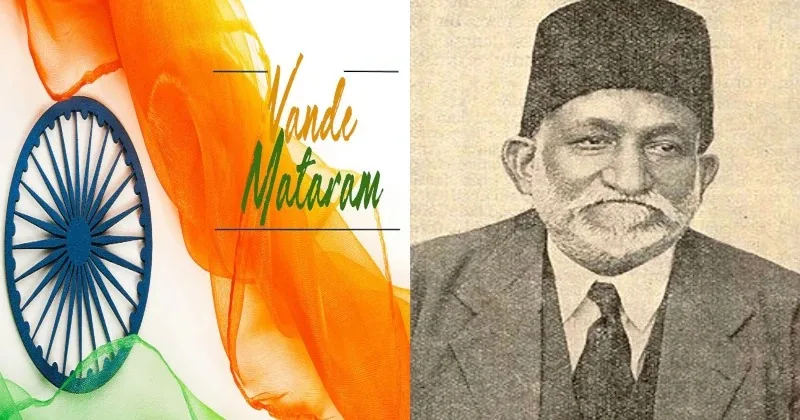
Today, on November 7, 2025, the entire nation is celebrating 150 years of Vande Mataram- the song that awakened Bharat’s soul. Yet, history reminds us that in 1938, during the freedom struggle, the Nizam of Hyderabad banned the chanting of Vande Mataram in public places and educational institutions, and termed it as “communal.”
This ban triggered the historic “Vande Mataram Movement”, a powerful student-led protest against the Nizam’s autocratic rule. It became a symbol of the fight for civil liberties. The students of Government College, Aurangabad took the lead, and soon the movement spread across the state. Despite brutal repression, the spirit of the youth remained unbroken.
The Nizam’s Government had introduced special religious classes (Dinyat) for Muslim students in schools, barring non-Muslims from attending. Kazis were appointed to teach Quranic lessons, and Namaz was conducted within educational institutions and university hostels. This discrimination deeply angered the students and fuelled the uprising.
University authorities responded with terror and hired goons that were sent to attack students, destroy their belongings, and deny them food. Under Akbar Hydari, then Prime Minister of Hyderabad State, students involved in the protests were rusticated from Osmania University, and efforts were made to bar them from admission in any other Indian university. However, Nagpur and Jabalpur Universities courageously admitted these students, showing solidarity with their struggle.
Nationalist organisations such as the Arya Samaj, Hindu Mahasabha, Praja Mandal, Nizam Karnataka Parishad, Andhra Maha Sabha, and Marathi Maha Mandal rose above their social and political identities to unite under the banner of Vande Mataram, demanding justice and basic rights for the people.
The repressive policies of the Nizam continued even after this movement. Hindu voices and the freedom struggle were systematically crushed under his regime. Finally, in 1948, Sardar Vallabhbhai Patel put an end to the Nizam’s tyranny through Operation Polo, liberating Hyderabad and integrating it with India in which Rashtriya Swayamsevak Sangh also played a significant role.














Comments