





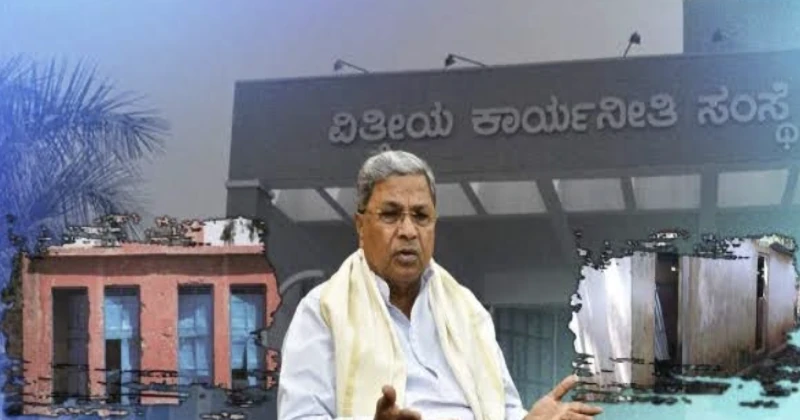
In a major embarrassment for the state government, a recent study by the Karnataka Fiscal Policy Institute (FPI) has revealed that Chief Minister Siddaramaiah’s home district — Mysuru — is among the worst performers in providing toilets, sanitation, and water facilities in government schools. The Mysuru division has recorded just 23 per cent coverage, far behind other regions of the state.
The findings, based on a comprehensive study and economic analysis of sanitation infrastructure in Karnataka’s schools for the academic year 2023-24, highlight glaring disparities across divisions. While the government has been spending thousands of crores on its guarantee schemes and publicity campaigns, the report exposes serious neglect in ensuring basic hygiene and sanitation in schools — a cornerstone of public health and education.
The study titled “Sanitation Infrastructure and Usage in Karnataka’s Government Schools” assessed the condition, performance, and maintenance of sanitation facilities in 63 government schools across 48 villages. Despite massive allocations under the Swachh Bharat Mission (Gramin), Sarva Shiksha Abhiyan (SSA), and Madhyamik Shiksha Abhiyan (MSA), the results reveal alarming gaps.
According to the report, only 28 per cent of schools in South Karnataka, which includes Mysuru, have functional sanitation facilities. In contrast, North Karnataka fares significantly better, with 45 per cent coverage. The Kalaburagi division tops the state with 67 per cent of schools having toilets, while the Mysuru division lags with a mere 23 per cent, the lowest in Karnataka.
District-wise, Raichur leads with 100 per cent coverage, followed by Bellary (75 per cent), while Chikkaballapur and Chamarajanagar show zero coverage. In comparison, Mysuru reports only 25 per cent, a shocking figure given that it is the Chief Minister’s home turf.
The study paints a grim picture of sanitation infrastructure. Many schools still lack separate toilets for boys and girls. In several rural schools of Kalaburagi, Yadgir, Bellary, and Raichur, sanitation facilities are either non-functional or poorly maintained.
Even where toilets exist, irregular cleaning, poor water supply, and lack of dedicated cleaning staff have rendered many facilities unusable. On average, 32 per cent of schools clean toilets only once a week, 19 per cent twice a week, and a mere 29 per cent maintain daily cleaning schedules.
Water supply remains a major bottleneck. Around 8 per cent of schools across the state lack continuous water access for sanitation purposes. Districts like Bellary, Uttara Kannada, Mysuru, Davangere, and Tumkur face chronic water shortages, forcing some schools to lock toilets due to hygiene concerns.
The FPI report also highlights gender-based disparities. Although 98 per cent of government schools have toilets for girls on paper, many are poorly maintained. Lack of privacy and cleanliness discourages girls from using these facilities, especially during menstruation, leading to higher absenteeism.
According to the study, 85 per cent of girls do not use toilets regularly, citing poor conditions and lack of water. In contrast, 76 per cent of boys use school toilets daily, showing a clear gender gap in accessibility and hygiene.
The paper warns that this situation directly affects student health, attendance, and learning outcomes, particularly for adolescent girls. The Karnataka High Court had earlier directed the government to ensure functional toilets and drinking water facilities in every school, but the data suggests limited progress on the ground.
The problem, the study says, lies not only in infrastructure but also in maintenance. The school maintenance grant, though revised based on student strength, remains inadequate. Schools with fewer than 50 students receive Rs 20,000 per year, while those with more than 500 students get Rs 45,000 — a sum that must cover all repair and cleaning expenses.
Since there is no separate fund for sanitation workers, most schools rely on teachers or temporary staff to clean. Many teachers reported difficulty hiring cleaning staff, especially in remote villages, leading to toilets remaining unused or locked.
















Comments