






As India prepares to welcome its most beloved festival, Deepawali 2025 is set to once again bathe the nation in the golden glow of diyas, the sweet aroma of laddoos and jalebis, and the heartwarming spirit of togetherness. Falling on October 20, 2025 (Monday), this year’s Deepawali is more than just a celebration, it’s a moment of reflection, gratitude, and joy. Across every street, village, and city, homes will shimmer with light, laughter will echo through families, and prayers will rise for peace and prosperity.
Deepawali is not just a festival of one night, it’s a five-day journey of faith, emotions, and traditions that bind generations together. From Dhanteras to Bhai Dooj, each day holds a story that touches the heart, stories of hope, love, victory, and renewal. Together, these days capture the essence of India itself, a land where light always triumphs over darkness, and where every home shines with devotion and warmth.
Day 1: Dhanteras (October 18, 2025, Saturday)
The Deepawali celebrations start with Dhanteras which is dedicated to worshipping Bhagwan Dhanvantari, the divine healer, and Goddess Lakshmi, the goddess of wealth and prosperity. The word “Dhanteras” is made from “Dhan,” which means wealth, and “Teras,” meaning the 13th day of the lunar fortnight. It is observed on the thirteenth day of Krishna Paksha in the month of Kartik.
According to an old legend, during the Samudra Manthan (churning of the ocean), Bhagwan Dhanvantari appeared with a pot of nectar that brought health and long life. That’s why Dhanteras is celebrated not just for wealth, but also for good health and well-being.
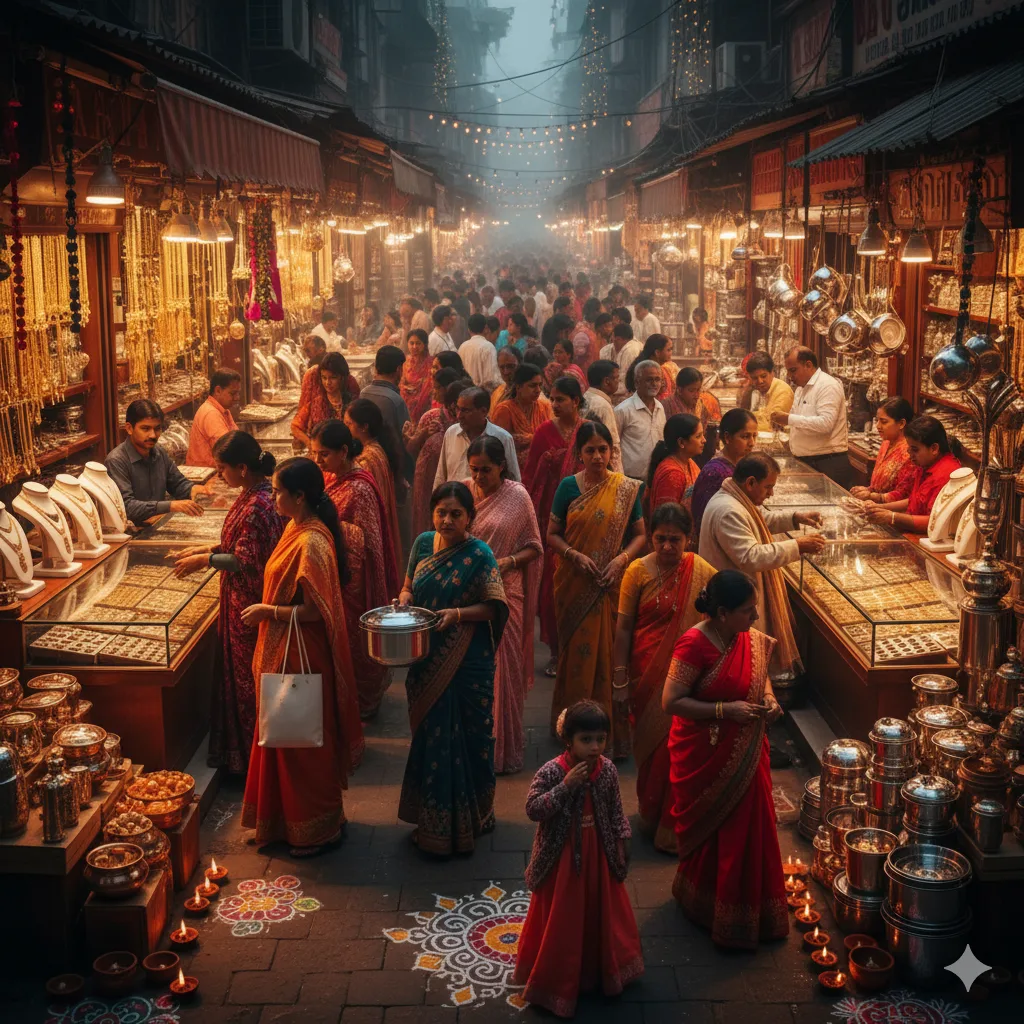
On this day, people clean and decorate their homes, light diyas at entrances, and make new purchases, especially of gold, silver, and utensils, all considered auspicious symbols of prosperity. In business communities, Dhanteras also is considered the start of the financial year, and many traders perform Lakshmi Puja in their shops to seek divine blessings for success.
In modern times, Dhanteras has also become synonymous with health awareness, as people increasingly connect wealth with well-being, a blend of tradition and mindful living.
Day 2: Naraka Chaturdashi or Choti Deepawali (October 19, 2025, Sunday)
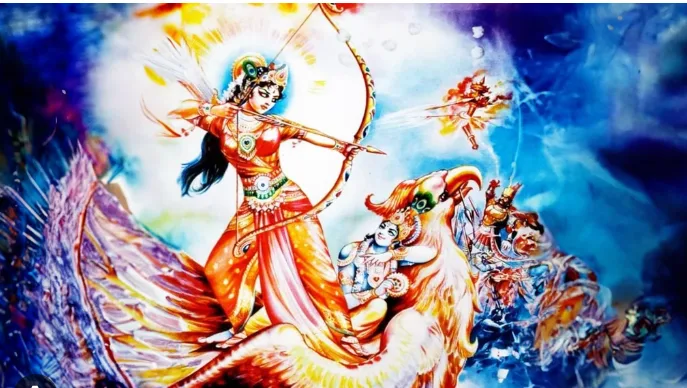
The second day of Deepawali celebrations, known as Naraka Chaturdashi, celebrates the victory of Bhagwan Krishna over the demon Narakasura. This shows the triumph of good over evil. It is also popularly called Choti Deepawali, as it precedes the main day of Deepawalii.
According to legend, Narakasura was a powerful but cruel king who captured many innocent people and spread misery. On this day, Bhagwan Krishna, with the help of Satyabhama, defeated him and freed everyone. That’s why the day is seen as a time to remove negativity and bring peace and positivity into life.
Across the nation, families rise early on Choti Deepawali to take the traditional oil bath (Abhyanga Snan). In many regions, families light early fireworks on Choti Deepawali to celebrate the triumph of light over darkness and good over evil. In the evening, small community gatherings are organised.
Day 3: Deepawali or Lakshmi Puja (October 20, 2025, Monday)
The third day and the main festival of Deepawali falls on October 20, 2025. This day is the most auspicious and is celebrated with grandeur across India and in Indian communities around the world.
Deepawali, also known as Deepawali, literally means “a row of lights.” It signifies the return of Bhagwan Ram, Sita, and Lakshmana to Ayodhya after 14 years of exile and victory over the king Ravana. On this day, devotees worship Goddess Lakshmi, Bhagwan Ganesha, and Bhagwan Kuber, the gods of wealth, wisdom, and prosperity. The evening Lakshmi Puja is performed with devotion, followed by lighting diyas in every corner of the house, bursting crackers and sharing sweets and gifts with family and friends.
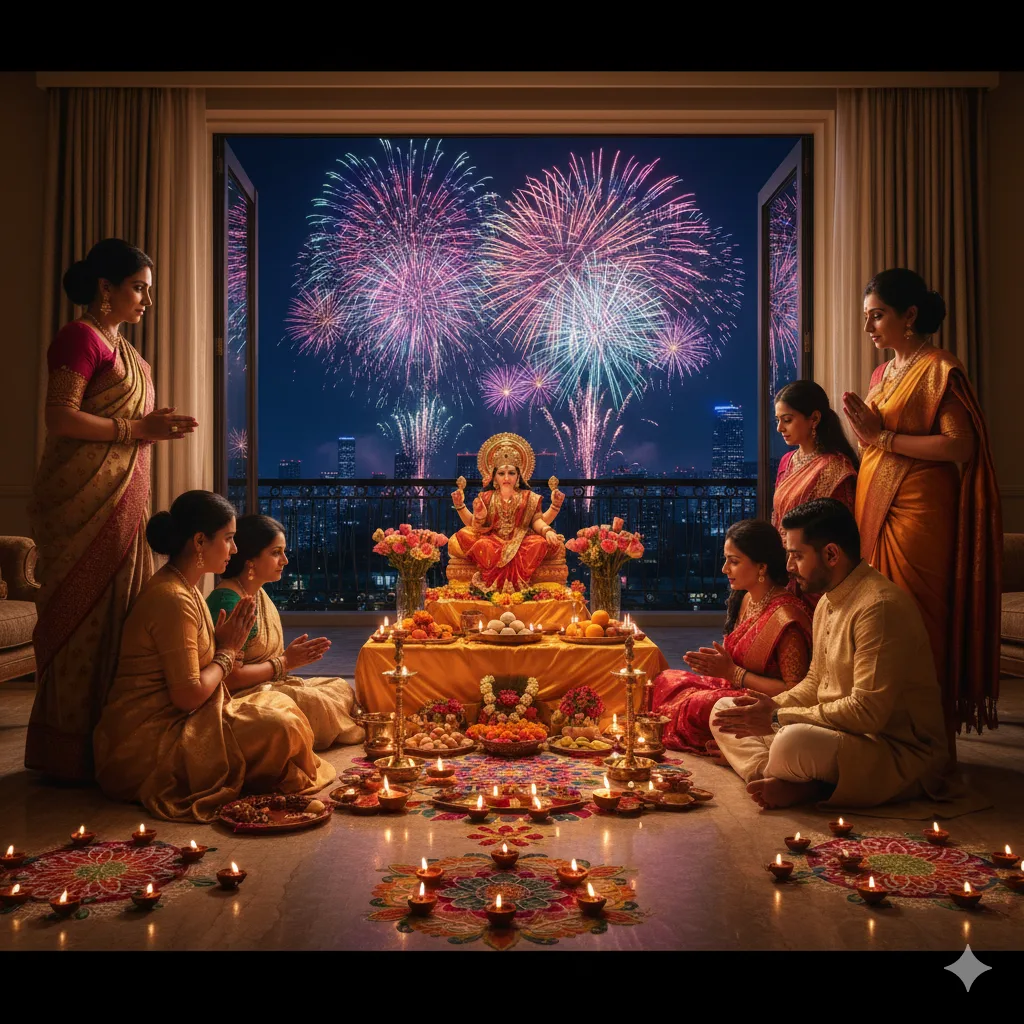
Markets across the country shimmer with decorative lights, traditional clothing, sweets, and diyas. The festive spirit unites the entire nation. People also make a conscious effort to celebrate an eco-friendly Deepawali, by avoiding harmful crackers and using earthen diyas and organic colors.
Beyond the celebrations, Deepawali also carries a spiritual message: it reminds people to light the inner lamp of wisdom, goodness, and kindness, driving away ignorance and darkness from their hearts.
Day 4: Govardhan Puja or Annakut (October 22, 2025, Wednesday)
The day following Deepawali is known as Govardhan Puja or Annakut, which literally means “mountain of food.” The festival celebrates the divine act of Bhagwan Krishna lifting the Govardhan Hill to shield the people of Gokul from the heavy rains unleashed by Bhagwan Indra.
According to mythology, Krishna advised the villagers to stop worshipping Indra and instead show gratitude to the Govardhan Hill, which nourished them with food and shelter. Angered, Indra unleashed storms and thunder, but Krishna held the hill aloft on his little finger for seven days, saving everyone from the floods.
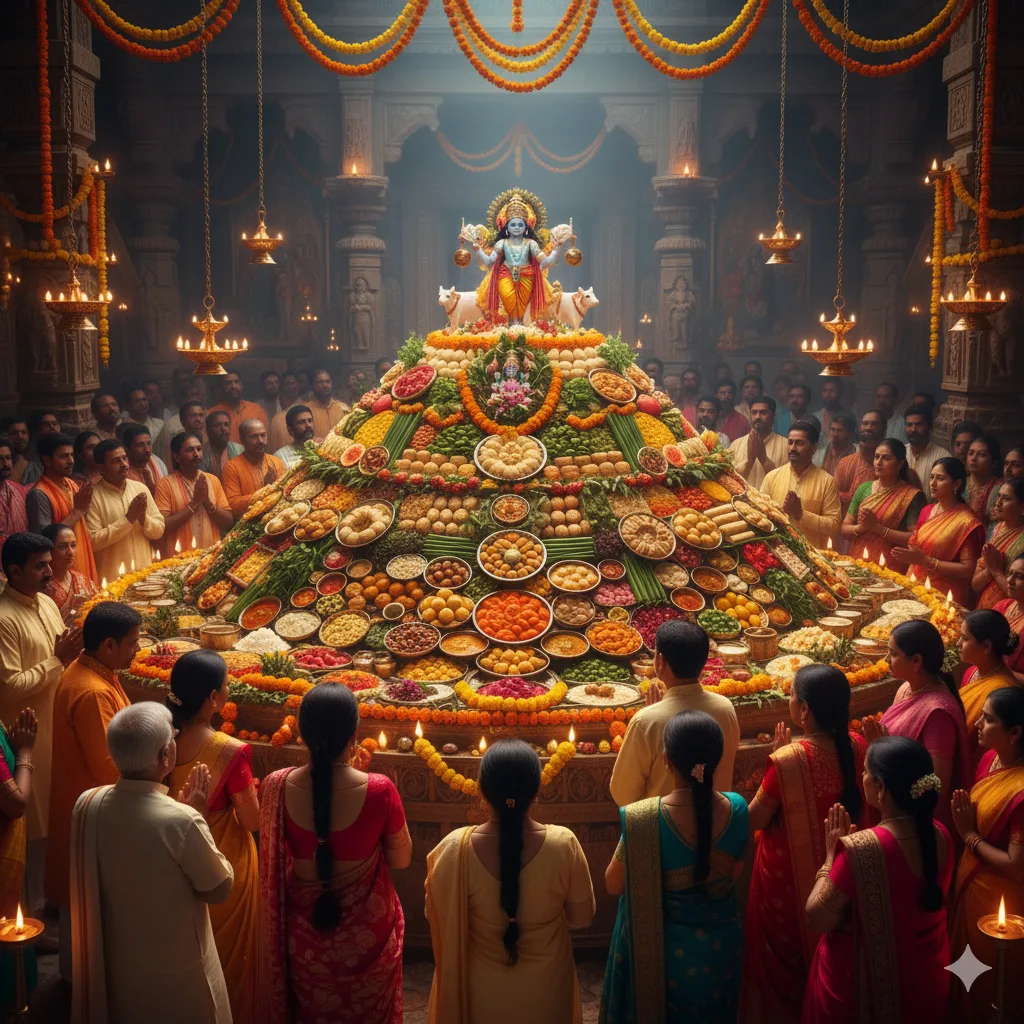
In temples and households, devotees prepare a wide variety of vegetarian dishes as offerings, sometimes over 50 or 100 items which are later distributed as prasad. Temples, especially in Mathura and Vrindavan, witness grand celebrations with food displays and devotional songs dedicated to Bhagwan Krishna.
Govardhan Puja also lays emphasis on gratitude and community service. It inspires people to share food with the needy and appreciate the natural resources that sustain the human life.
Day 5: Bhai Dooj (October 23, 2025, Thursday)
The Deepawali festival concludes with Bhai Dooj, a day that celebrates the sacred bond between brothers and sisters. Falling on the second lunar day of the bright fortnight, it is similar in sentiment to Raksha Bandhan but with distinct customs. As per an ancient legend, Yamraj, the god of death, visited his beloved sister Yamuna on this auspicious day. She welcomed him with sweets and applied a tilak on his forehead as a mark of affection. Pleased by this, Yamraj declared that brothers who visit their sisters on this day would be blessed with long life and happiness. Even today, sisters invite their brothers home, perform the aarti, apply tilak, and offer sweets, while brothers give gifts and promise to protect their sisters.

In northern India, Bhai Dooj is celebrated with heartfelt rituals, while in western regions like Maharashtra, it is known as Bhau Beej, and in Bengal, it is called Bhai Phonta but has the same essence of sibling affection.
A Festival of Faith, Family, and Light
Together, these five days of Deepwali represent a journey from material to spiritual wealth from cleansing and renewal (Dhanteras and Naraka Chaturdashi) to celebration and gratitude (Deepawali and Govardhan Puja) and finally, to love and relationships (Bhai Dooj).
Beyond the lights and celebrations, Deepwali 2025 reminds every Indian to cherish the values it stands for: truth over dishonesty, light over darkness, and unity over division. It is a time to reconnect with loved ones, give thanks, and spread happiness through acts of kindness and generosity.
As homes sparkle with diyas and hearts glow with hope, Deepawali continues to be more than just a festival; it is a timeless celebration of India’s cultural soul, illuminating lives with faith, harmony, and renewal.
















Comments