





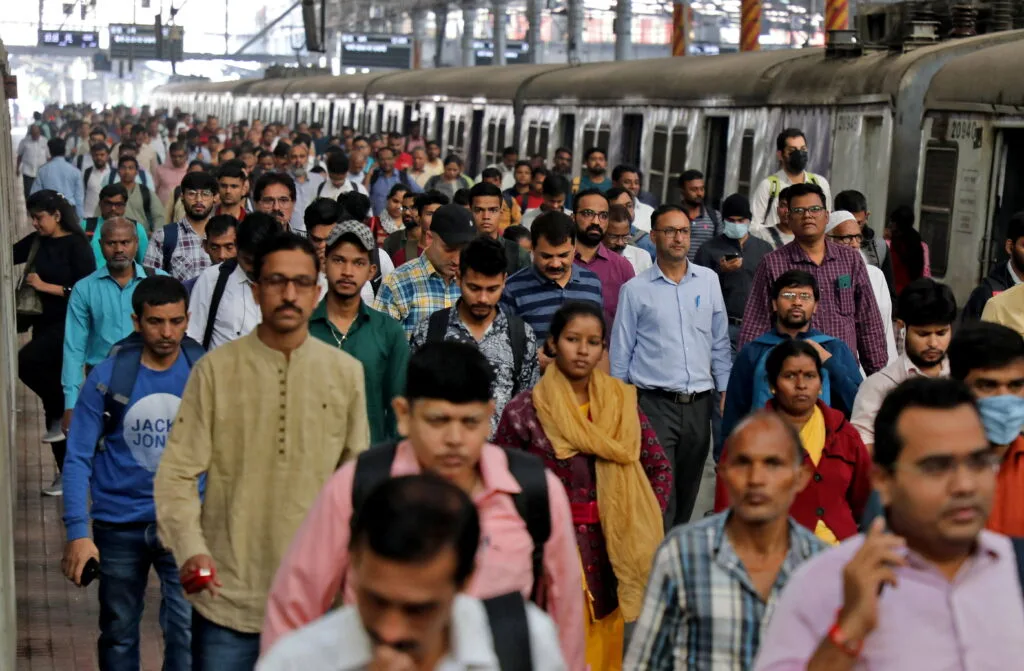
Marking a major step in labour reform, the Ministry of Labour and Employment has released the draft National Labour and Employment Policy, Shram Shakti Niti 2025, for public consultation. The draft policy outlines a forward-looking roadmap to create a fair, safe, and inclusive work environment for India’s growing workforce.
The government has invited public feedback before the final policy is rolled out. Officials said the aim is to develop a labour ecosystem that upholds the principles of “protection, productivity, and participation” while promoting enterprise growth and sustainable livelihoods.
Inspired by India’s ancient ethos of Shrama Dharma, the dignity and sanctity of labour, the policy emphasises respect for workers across all sectors, formal and informal. It envisions a model where economic progress and social protection go hand in hand, balancing the welfare of workers with business competitiveness.
“The vision is to ensure that every worker, regardless of location or skill level, can work in a safe, dignified, and rewarding environment,” a senior Labour Ministry official said.
The Shram Shakti Niti 2025 focuses on four key pillars, universal social security, safe and inclusive workplaces, empowerment of women and youth, and creation of green and technology-based jobs.
A significant proposal is the integration of multiple welfare and employment platforms such as EPFO, ESIC, eShram, and National Career Service (NCS) into a unified “Labour Stack”. This digital stack will enhance transparency, streamline benefits, and simplify access for workers across the country.
To make employment access easier, the policy proposes strengthening the National Career Service (NCS) as a comprehensive Digital Public Infrastructure (DPI) for jobs. The upgraded NCS will leverage artificial intelligence (AI) and multilingual interfaces to connect job seekers with verified opportunities in both urban and rural India.
One of the most progressive aspects of the policy is its focus on inclusivity. It emphasises increasing women’s participation in the workforce through safe workspaces, gender-responsive labour standards, and flexible working options.
The draft also highlights the need to upskill youth and informal sector workers to meet the demands of emerging industries, particularly in green energy, digital technology, and sustainable manufacturing.
Officials said the policy aims to create harmony between workers’ welfare and enterprise growth, ensuring that labour reforms complement India’s ambition of becoming a global economic powerhouse.
The Ministry of Labour and Employment has invited public comments and stakeholder suggestions on the draft Shram Shakti Niti 2025. The consultation period will be used to refine and finalise the policy before its nationwide rollout.
Once implemented, the policy is expected to serve as the cornerstone of India’s labour governance framework for the coming decades, one that ensures every worker contributes to and benefits from the nation’s journey toward Viksit Bharat 2047.















Comments