





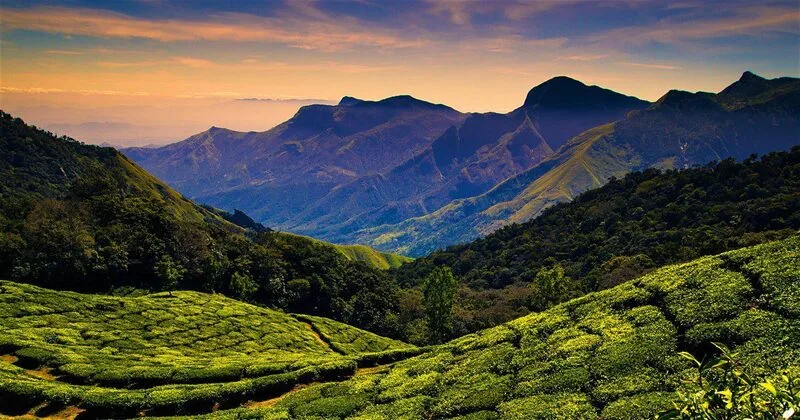
India’s mountains are not just landscapes of stone and snow; they are living symbols of culture, spirituality, and survival. From the mighty Himalayas to the Nilgiris in the south, these ranges hold within them forests, rivers, and biodiversity that sustain millions of lives. Yet, unchecked urbanisation, tourism, and construction are threatening their very existence.
In Indian tradition, mountains were never regarded as mere geographical features. The Rigveda describes them as life-giving sources alongside seas and rivers “Girayah samudrah sindhavo nadinam”. The Mahabharata calls the Himalayas the abode of gods, while the Ramcharitmanas reveres Mount Kailash as the dwelling place of Bhagwan Shiva. The Bhagavata Purana extols Govardhan as the protector of life. Kalidasa in Kumarasambhava calls the Himalaya “the soul of the gods,” while Kabir’s couplets make the mountain a metaphor for patience and steadfastness. From Tukaram and Narayana Guru in the south to Mahadevi Verma in modern Hindi poetry, our literature and saints have regarded mountains as symbols of endurance, sanctity, and meditation.
This reverence is reflected in countless shrines nestled in the mountains. Vaishno Devi on Trikuta, Amarnath in the Himalayas, Badrinath on Nar-Narayan, Tungnath at the world’s highest Shiva mandir, Yamunotri on Kalind, Gangotri in the Himalayas, Nanda Devi in Uttarakhand, Mansa and Chandi Devi in Haridwar, Jwalamukhi and Kangra Devi in Himachal, Triyuginarayan in the Garhwal region, Venkateswara in the Sheshachalam Hills of Andhra Pradesh, Palani Murugan temple in Tamil Nadu, and Sabarimala in Kerala’s Western Ghats. These sacred sites remind us that mountains are mandirs of nature themselves, meant not for exploitation but for reverence and preservation.
Unfortunately, the modern drive for profit has turned many of these regions into commercial hubs. Slopes are cut for roads, hotels, and settlements, weakening natural stability. Scientists have long warned that such practices loosen the soil and rocks, making heavy rains, snowfall, or earthquakes trigger devastating landslides.
The disasters of recent years bear testimony. The Kedarnath tragedy of 2013 showed how reckless construction magnifies natural fury. In 2021, Chamoli’s glacier collapse led to massive destruction. In 2023, Himachal Pradesh saw hundreds die as rains brought down hotels and houses built on fragile slopes. The years 2024–25 repeated the same story with landslides and cloudbursts in Uttarakhand, Himachal, and Sikkim, and even on the Vaishno Devi pilgrimage route. Each incident warns us that without balance between development and ecology, devastation will only intensify.
Human interference damages more than stability i.e ecosystems. Springs dry up, rivers change course, rare wildlife lose habitats, and indiscriminate felling of trees leaves slopes vulnerable. Each tree cut and each slope blasted is a silent invitation to disaster.
The solution is clear and well known, i.e., strict regulation of construction in mountain zones, with permissions granted only after geological and environmental assessments. Local architectural styles, resilient against earthquakes and landslides, must be revived and promoted. Mountain forests must be preserved at all costs, for they hold the soil together. Tourism must shift towards green tourism that offers livelihoods while keeping harmony with nature.
Our mountains are not just piles of rock; they are cultural memories, spiritual symbols, and ecological lifelines. From Kailash in the north to the Nilgiris in the south, they embody India’s enduring spirit. To allow them to crumble under human greed is to strike at the roots of our own existence. The time has come to let mountains remain mountains-guardians of life, faith, and the future of generations yet to come.
















Comments