





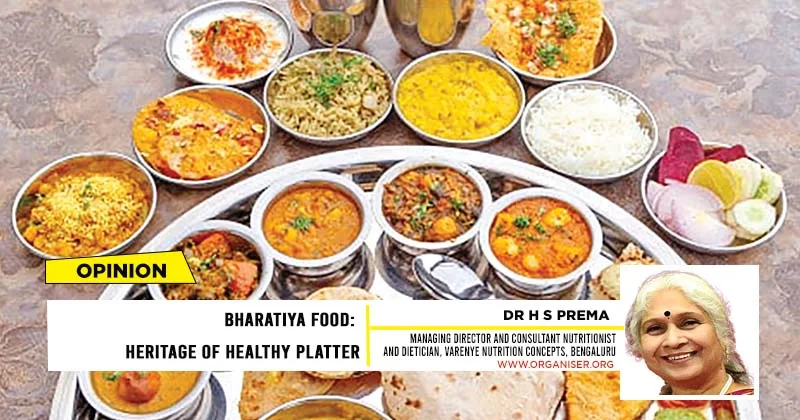
Bharatiyas have known for eons how to eat healthy. It has been documented in the Chamka Prashna of Yajurveda, that we ask (chame) the Supreme Power to bless us with Yavaschame (paddy), Masahchame (black gram), Tilaschame (oil seed), Mudgaschame (green gram), Kalvaschame (Bengal gram), Godumaschame (wheat) etc, suggesting dietary diversity. This holds that our ancestors were aware of various foods and concerned about a healthy life.
Dietary Diversity
Bharatiyas, by and large, are vegetarians and eat a mixed-grain diet with milk. Bharat is one of the top countries that consumes milk along with grains. The frontier nutrition upholds that a mixed grain diet with milk will meet the energy, protein, healthy fats, other essential nutrients, and no cholesterol, which provides energy, supports body-building, and protects us from diseases. As a matter of fact, today the world is looking up with hope that the Bharatiya vegetarian diet can benefit health and address obesity.
Bharatiyas’ ancient knowledge of food science and the culinary art of mixing various ingredients are supportive in enhancing taste and safeguarding our health. For centuries, Bharatiyas have been eating foods combined with cereals, pulses, vegetables, milk, and its products such as curds, Ghee, and occasional fleshy foods. Agastya Muni wrote the Lalita Sahasranama several centuries ago, which mentions the Gudanna (jaggery, rice, and milk), Mudganna (cereal with green gram dal), and Dadyanna (rice and curds), suggesting that a healthy food combination known to us for ages.
Across Bharat, we see a similar food culture that combines one cereal or millet with any dicot, along with lots of vegetables, and peppered with various condiments. For example, the national food Khichdi is a combination of one cereal or millet with one dicot (mostly green gram), along with plenty of vegetables, and with a diverse range of condiments. Similarly, irrespective of states across Bharat, the local meal comprises a food-grain combination pairing of cereals and pulses in the form of Anna with Samber, Roti with Dal, Idli, Pooran poli, Misalvada, etc., accompanied by spiced vegetables, by finishing the course with curds completes a meal. This combination of foods provides sufficient calories with no cholesterol, enhancing protein, minerals, and vitamins to take care of health. Cereals such as rice, wheat, ragi, and other millets mainly provide energy with minimal fat. All kinds of pulses used in various food preparations supply enough protein to build the body and B complex vitamins to enhance the utilisation of calories. Fats sourced from cereals and dicots are free from cholesterol but rich in vitamins K and E, and minerals to support the system. When a diet is predominantly supported by cereals and pulses, it can minimise the consumption of fleshy foods. Thus, making it an ideal food habit for the present lifestyle. In fact, this dietary practice helps prevent obesity.
Apart from pairing cereals and pulses, our traditional foods are enhanced with condiments. These condiments are a source of bioactive substances such as phenolic compounds, flavonoids, and many more. These bioactive nutrients function in our body as detoxifying, blocking, and antioxidants by improving immunocompetence. The combination of traditional, nutrient-dense foods with condiments consumed may be one of the factors that helped Bharatiyas navigate the challenges posed by the COVID-19 pandemic.
Where is the culprit sitting?
The National Statistics Office (NSO) has released its latest report about the daily intake of calories, protein, and fat among the Bharatiya population. In rural Bharat, the average daily per capita calorie intake stood at 2,212 Kcal in 2023–24. Urban Bharat recorded 2,240 Kcal over the same period. It is no wonder that obesity is prevalent among Bharatiyas despite having good food practices due to eating excess calories. The excess energy consumed and unutilised is the major culprit in obesity prevalence. The sedentary lifestyle is common in almost all spheres of life. Unlike fixed deposit savings in a bank, which help for tomorrow, the energy deposited in the body plays havoc on health, leading to metabolic disorders. The average daily protein intake per capita is around 62 grams in rural areas and 63 grams in urban centers. Fat intake was estimated at about 60 grams per day in rural Bharat and nearly 70 grams in urban Bharat during both survey periods. The Bharatiyas’ average intake of proximate principles is more than the EER (estimated energy requirement) of a healthy adult man Kcal Protein Fat gm gm
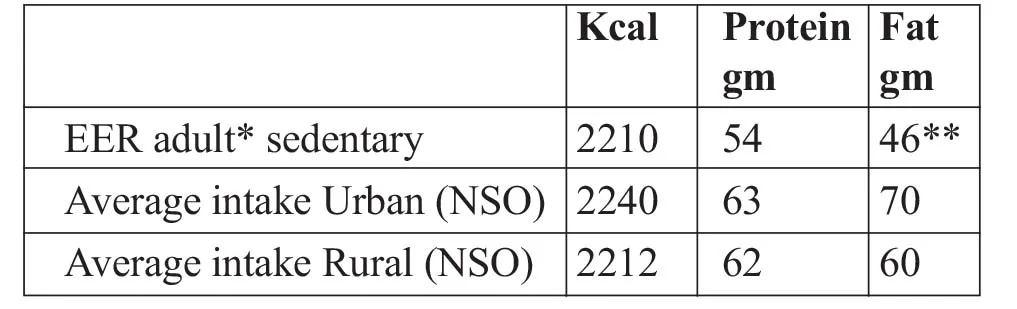
• *Varies as per gender, age, and activity
• ** fat calculated in proportion to EER
By comparison, it is shocking to note that households in the top 5 per cent expenditure class recorded (NSO) an average daily per capita calorie intake of 2,941 Kcal in rural areas and 3,092 Kcal in urban areas. It is no wonder that obesity is a household concern in Bharat. It clearly states that an average Bharatiya is not going to bed hungry, and it debunks the Hunger Index survey to its bottom. Nonetheless, the excess caloric intake and fat intake are the main culprits for obesity prevalence in Bharat.
Global food practices : A threat to our food culture
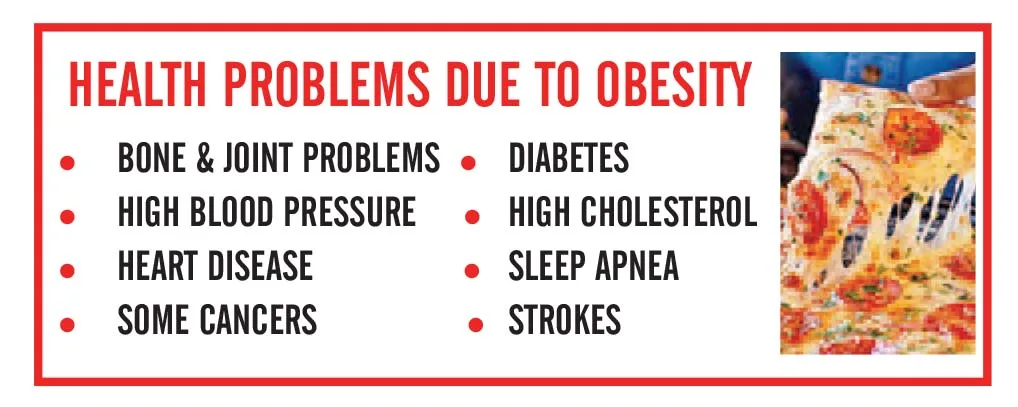
Bharatiyas are mindlessly aping the foreign food culture by adding pizza, burgers, garlic bread, and many more, as they are not nutritious but loaded with trans-fats, cholesterol, and are calorie-dense. Adding these items will alter the carbs, protein, and fat ratio, which dents healthy calorie consumption.
Apart from this, the farm produce of other countries is making a significant way in our food choices. Supposedly, we change our eating practices to tune to the international food culture; our farmers face physical and financial hardship. If local foods like ragi, foxtail millet, etc., are pushed to the corner, then they will struggle to survive without patronage. Our food practices have evolved over centuries and will vanish, reducing the capacity to support biodiversity and food diversity, and over time, it will affect our food culture and health. Mindless aping of global cultures is obliterating our heritage, cultural symbols, and ethnic identities. The time has come to revive our links with our health, economy, and food culture.
Our health, eating habits, food choices, local agricultural practices, and agricultural produce all go hand in hand. Any change will have a negative impact on our food culture, thereby affecting health. Knowing this, Bharat has refused to import GM technology and non-veg milk.















Comments