





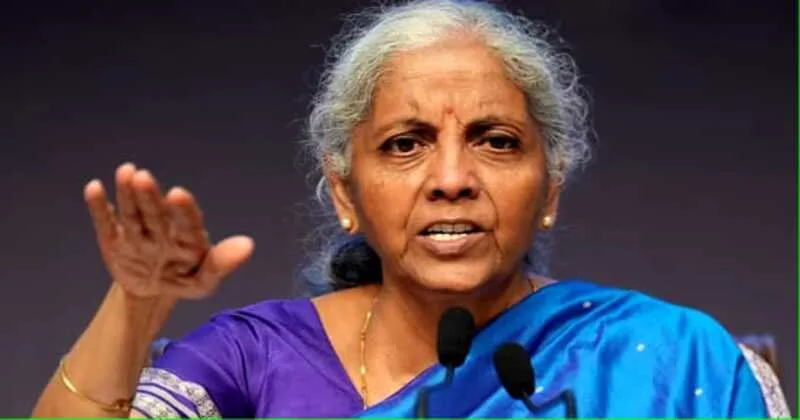
Finance Minister Nirmala Sitharaman has announced that a special relief package will soon be introduced to support Indian exporters facing a crisis following steep tariff hikes imposed by the United States. The comprehensive package, designed to offset the impact of these duties, is expected to be cleared by the Union Cabinet shortly.
The finance minister emphasized that India will continue to buy oil from Russia despite mounting pressure from Washington. She reiterated that oil purchases would be made from the sources most beneficial to India, with priority given to securing deals in the country’s best interests. Acknowledging the heavy expenditure incurred on oil imports, Sitharaman underscored that decisions in this regard would not be dictated by external pressures. She stressed that India would not yield to American demands and made it clear that Russian oil would remain part of the import basket.
The relief package is the government’s determination to resist US pressure and to stand firmly behind Indian industry. The new measures were being crafted in response to the 50 percent tariffs imposed by the US on Indian exports beginning August 27. Finding new markets in a short time frame would be difficult, she admitted, and hence direct assistance to exporters had become a necessity.
The United States first imposed a 25 percent tariff on certain Indian products on August 7, before escalating the levy to 50 percent on oil imports from Russia and other Indian goods from August 27. Washington justified the move on the allegations that India was aiding Moscow in its war against Ukraine by continuing to import Russian oil. The higher tariffs specifically targeted export-oriented industries such as textiles, shrimp, leather, and jewelry. According to reports, the Trump administration calculated that such measures would severely hurt textile and apparel manufacturers in Tiruppur, Noida, and Surat, and thereby compel India to align with American policy.
In response, the Indian government’s relief package is expected to cover multiple components. These include export promotion missions, new initiatives in special economic zones, and support measures for labor-intensive sectors such as food processing and textiles. The package will also utilize Goods and Services Tax (GST) reforms to boost domestic demand, thereby providing a cushion to industries struggling with reduced access to the US market.
Sitharaman stated that the concerns of industrialists had been taken into account during the formulation of the package. Representatives from various sectors had expressed their anxiety over the additional duties and their potential to destabilize employment and production chains. The government’s response, she assured, was aimed at safeguarding industries and sustaining export momentum despite hostile external conditions.
Expressing confidence, the finance minister asserted that India would be able to withstand the economic impact of the US tariffs. She said that the relief measures, combined with structural reforms in taxation and targeted sectoral support, would help the country overcome the challenges posed by the American actions. Sitharaman concluded that the government’s strategy would ensure resilience in trade and industry, reinforcing India’s position in global markets despite external pressures.













Comments