





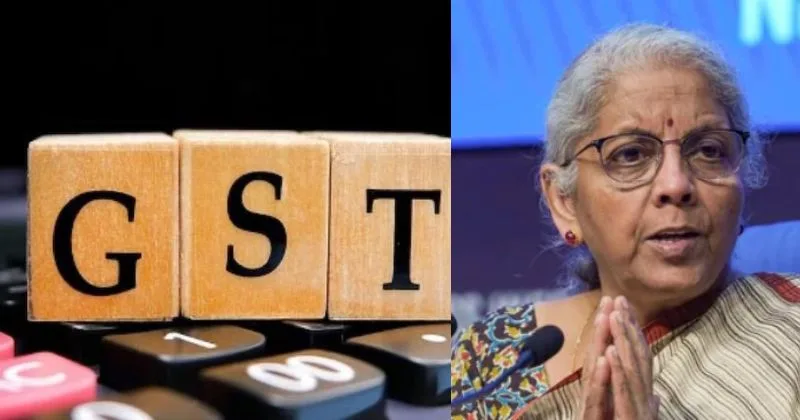
The GST 2.0 revamp marks one of the most significant shifts since the tax’s launch in 2017. The earlier four-tier structure of 5 percent, 12 percent, 18 percent, and 28 percent has been collapsed into two principal slabs, 5 percent and 18 percent, while a new 40 percent “sin tax” has been introduced on luxury and harmful goods.
The move is not just fiscal in nature but also strategic, aiming to consolidate goodwill among middle-class households, farmers, and health-conscious citizens.
Middle Class: Relief across daily needs and aspirations
With nearly one-third of India’s population classified as middle class, the government’s focus on this segment is unmistakable. GST 2.0 lowers the burden on both essential and aspirational goods.
1. Household essentials like soaps, shampoos, toothpaste, hair oil, talcum powder, candles, shaving kits, safety matches, stationery, and toys now fall under the 5 percent slab, reduced from 12 to 18 percent.
2. Consumer durables and lifestyle items such as small cars, LED TVs, air conditioners, chocolates, cinema tickets, pencils, and geometry boxes have been rationalised to 18 percent.
3. Healthcare relief is a major highlight, life and health insurance premiums are now GST-free. Thirty-three life-saving drugs, including those for cancer and rare diseases, are tax-exempt, while most diagnostic kits and medicines fall under the 5 percent category.
By easing costs on both everyday needs and big-ticket expenses, the reforms attempt to ease financial stress while appealing to middle-class voters in electorally crucial states.
Farmers and Dairy Sector: Economic backbone secured
India’s agrarian sector, with nearly 93 million agricultural households, continues to hold political primacy. The dairy industry, involving close to 80 million farmers, has also received significant attention.
1. Farm equipment, ghee, butter, paneer, jams, sauces, soups, namkeens, and dry fruits like almonds, cashews, and pistachios are now taxed at just 5 percent, a sharp cut from earlier slabs.
2. Importantly, India has safeguarded its agriculture and dairy sectors during trade talks with the US, refusing to open them up for foreign competition.
This not only secures livelihoods but also reflects a deliberate strategy to strengthen rural confidence in the government ahead of upcoming polls.
Healthy India: Lifestyle shift through ‘Sin Tax’
In line with Prime Minister Narendra Modi’s vision of a healthier India, GST 2.0 has introduced a 40 percent sin tax on products deemed harmful to public health.
1. Items such as tobacco, gutkha, zarda, pan masala, and sugar-loaded aerated or caffeinated drinks are now in the highest bracket.
2. The intention is clear: make unhealthy consumption expensive while making healthy and essential goods more affordable.
This dovetails with ongoing national campaigns promoting yoga, reduced sugar intake, and overall wellness.
Swadeshi Push: Boosting local industry
The revamped tax structure also feeds into the larger Atmanirbhar Bharat narrative. Handloom products, woven fabrics, and domestically made cosmetics now enjoy a favourable tax regime.
This is expected to:
1. Strengthen small businesses and artisans,
2. Encourage consumers to choose Indian-made goods,
3. Send a strong signal in trade negotiations that India prioritises economic sovereignty.
Festive Timing: A political sweetener
The rollout of GST 2.0 has been timed with precision. With Diwali and the festive season approaching, the tax reset is expected to lower household expenses, stimulate consumption, and energise the domestic industry.













Comments