






Divorce, dowry and other such practices have not been an intrinsic part of Bharatiya vivah samskaras. But today, we are seeing a surge in incidences being reported across Bharat related to violence in marriages. Incidents of love jihad and ‘35 tukde’ show that there are no stops to this insanity anymore. Brutal inhumane crimes are being committed left-right and center. The picture seems grim and terrifying with youth opting to stay out of the obligation that marriage brings and are resorting to all sorts of weird open relationships.
On the other hand, Bharat’s $130 billion wedding industry is booming with lavish spending, reflecting status over substance, often funded by loans, risking emotional and financial strain. Alarming trend of Post Marital deaths either by murder or suicide is more than disturbing. The recent incident of Nikki from NOIDA being burnt alive for dowry, allegedly by her husband and in-laws is bone-chilling.
Marriage in Bharatiya Parampara
Marriage in Bharat has never been just a legal or social contract. It has always been a samskara which is a sacred rite rooted in dharma, spirituality, and the coming together of two souls, not just bodies. It is a holistic union involving tantra, mantra, and yantra — where physical, emotional, and cosmic dimensions align to sustain a family and society. But today, as we witness a societal shift, one must ask — is marriage, as a sacred institution, dying?
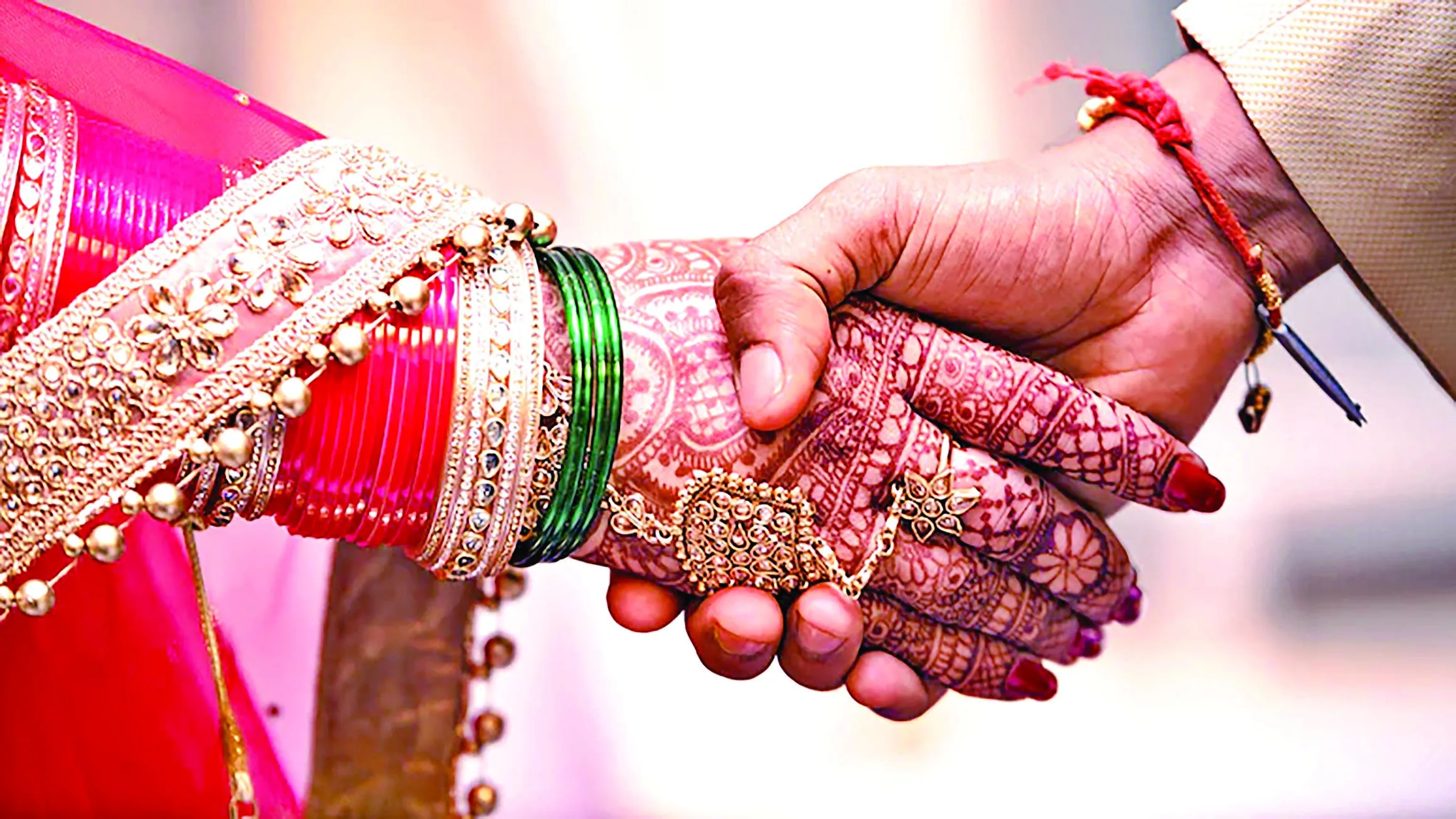
In Bharatiya society, marriage is not an ‘institution’ in the Western sense. It is a social extension of the family — where rituals, practices, lineage, community, and spiritual energies interweave. Women, far from being oppressed, played key roles in choosing partners (swayamvara), nurturing children, and maintaining the fabric of extended families. The Vivaha Samskara was about harmony, responsibility (kartavya), and collective well-being. A woman was revered as the Grihalakshmi and a yogya patni, not merely a partner but a co-creator of samskara.
Western Misinterpretation
Colonial rule and cultural invasions introduced Abrahamic constructs of marriage as a legal contract and a license for physical relations, leading to a rupture in Bharatiya marital values. The soulful connection that once defined marriage was gradually replaced with transactional relationships and hyper-individualism. Media glorified personal freedom at the cost of familial responsibilities. Even homemaking, once the noblest of responsibilities, is now mocked as “low-grade work,” distancing women and men alike from the nurturing fabric of the home.
The weakening of joint families and the glorification of individualism have deeply impacted health and harmony. Hospitals are increasingly filled with patients suffering from ailments rooted in poor lifestyle and emotionally unstable conditions once prevented by nutritious home-cooked meals and the emotional safety net of family. This is a silent but serious erosion of Bharat’s strength.
The rejection of sacred companionship has given rise to chaotic relationship models like situationships, non-monogamy, ghosting, breadcrumbing, benching, orbiting, cushioning, pocketing, simmer dating, micro-cheating, and throuples. These concepts may seem modern or liberating, but they dilute commitment, clarity, and emotional depth.
Crimes within Marriages
Perhaps the most alarming indicator of the decline of marriage as a sacred union is the recent rise in violent crimes within marriages particularly by spouses against each other. Several shocking incidents have sparked national debate and fear:
● Indore: Sonam Raghuvanshi, with the help of her lover hired killers, allegedly murdered her husband Raja during their honeymoon in Meghalaya. His brutally damaged body was found with a slit throat, dumped in a gorge
Why this Shift
The glorification of individual desires over collective duty, the commodification of relationships, and the erosion of samskaras have collectively dismantled the sanctity of marriage. The media often romanticises rebellion, extramarital affairs, or “following the heart” with little consequence. Meanwhile, the woman once seen as the pillar of the family is now encouraged to ‘break free’ without being shown the responsibility that empowerment carries.
What we witness today is not women seeking justice or equality that is essential but sometimes, a weaponisation of freedom without the guardrails of dharma or ethics. Similarly, men are also losing their grounding in responsibility, leading to a toxic disintegration of trust from both sides.
Harmony in Bharatiya Marriages
In contrast to the rising trend of crimes and relational confusion, traditional Bharatiya marriages had a near-zero domestic crime rate. This was not due to fear or force, but due to spiritual alignment. The saptapadi (seven steps around the fire) included vows of mutual respect, shared goals, and devotion. Agni as the witness, elders as the support system, and rituals as reminders kept couples rooted.
Even conflicts were resolved within families or with the guidance of spiritual mentors. The presence of elders, multi-generational living, and embedded cultural practices prevented alienation and resentment — the two major ingredients for modern relationship breakdowns.
The decline of sacredness in Bharatiya marriages can be reversed by reviving cultural literacy, empowering women through traditional strengths, promoting dharma-based counseling, valuing family roles, and balancing freedom with responsibility.
Marriage in Bharat was never meant to be a cage or a mere contract, it was a means to rise in consciousness with another human being. The current rise in relational instability, crime, and emotional suffering stems from the loss of that divine perspective. If Bharat wants to rebuild emotionally secure, spiritually grounded, and culturally rich families, it must reconnect with its timeless Vivaha Samskara not by turning back the clock, but by turning inwards. Sacred marriage is not dead. It is waiting to be reawakened.















Comments