





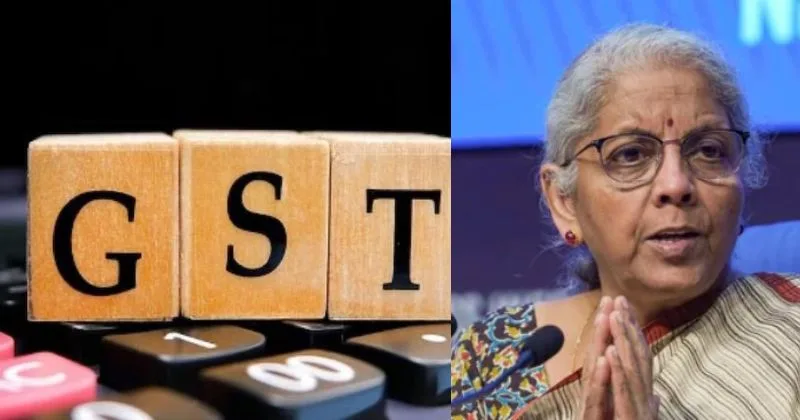
The stage is set for the Goods and Services Tax (GST) Council meeting on September 3-4, where Finance Minister Nirmala Sitharaman and state finance representatives will deliberate on one of the most ambitious tax reforms since GST’s rollout in 2017: a simplified two-slab structure.
As per government proposals, the new system could feature:
0-5 percent slab for essentials
12-18 percent slab for most other goods and services
Officials believe this rationalisation will benefit consumers and manufacturers, stimulate demand, and support supply chains in a slowing global economy.
Encouraging fiscal numbers have given the Centre and the Finance Ministry the confidence to move forward.
1. GST collections for August 2025 grew by 9.6 per cent, maintaining a strong upward trajectory.
2. Refunds rose by 8.8 percent, signalling a healthier trade balance tilted in India’s favour.
3. The government has projected a 7.5 per cent GST growth rate for the current fiscal.
Separately, UPI transactions crossed 20 billion in August 2025 alone, reflecting strong consumer activity.
“These indicators show that the time is right for bold reform. A simpler GST will encourage compliance and expand the tax base,” a senior finance ministry source told media.
The Centre’s messaging around the reform is clear: consumers must benefit.
If the proposal is cleared, items like pencils, computers, cars, mobile phones, and certain medicines could see price reductions. The government hopes this will create a ripple effect, spurring consumption, boosting business volumes, and feeding into the economic growth cycle.
Not everyone is convinced. Karnataka Chief Minister Siddaramaiah has publicly cautioned that the new structure could result in a Rs 15,000 crore revenue loss for states, demanding that the Centre offer compensation.
The Centre, however, believes that opposing the structure could make states appear “anti-people”, especially if cheaper essentials and consumer goods are on the line.
For now, most states have expressed willingness to support GST rationalisation on record. But as insiders often note, consensus at the GST Council’s closed-door meetings can be unpredictable.
“Negotiations are tough, but there is general recognition that GST simplification is overdue. The question is not if but how and when,” said a policy expert tracking the developments.
The proposed two-slab GST structure marks a “next-generation reform” in India’s indirect tax regime, potentially making compliance easier and improving transparency.
The outcome of the September 3-4 meeting will be crucial in shaping India’s tax landscape, state-Centre fiscal relations, and consumer market dynamics for years to come.










Comments