Dividing India? Rethinking caste-based surveys & Role of CSDS
August 5, 2026
  • Read Ecopy
  • Circulation
  • Advertise
  • Careers
  • About Us
  • Contact Us
Android AppiPhone AppArattai
Organiser
  • ‌
  • Bharat
    • Assam
    • Bihar
    • Chhattisgarh
    • Jharkhand
    • Maharashtra
    • View All States
  • World
    • Asia
    • Europe
    • North America
    • South America
    • Africa
    • Australia
  • Editorial
  • International
  • Opinion
  • RSS @ 100
  • More
    • Op Sindoor
    • Analysis
    • Sports
    • Defence
    • Politics
    • Business
    • Economy
    • Culture
    • Special Report
    • Sci & Tech
    • Entertainment
    • G20
    • Azadi Ka Amrit Mahotsav
    • Vocal4Local
    • Web Stories
    • Education
    • Employment
    • Books
    • Interviews
    • Travel
    • Law
    • Health
    • Obituary
  • Subscribe
    • Subscribe Print Edition
    • Subscribe Ecopy
    • Read Ecopy
  • ‌
  • Bharat
    • Assam
    • Bihar
    • Chhattisgarh
    • Jharkhand
    • Maharashtra
    • View All States
  • World
    • Asia
    • Europe
    • North America
    • South America
    • Africa
    • Australia
  • Editorial
  • International
  • Opinion
  • RSS @ 100
  • More
    • Op Sindoor
    • Analysis
    • Sports
    • Defence
    • Politics
    • Business
    • Economy
    • Culture
    • Special Report
    • Sci & Tech
    • Entertainment
    • G20
    • Azadi Ka Amrit Mahotsav
    • Vocal4Local
    • Web Stories
    • Education
    • Employment
    • Books
    • Interviews
    • Travel
    • Law
    • Health
    • Obituary
  • Subscribe
    • Subscribe Print Edition
    • Subscribe Ecopy
    • Read Ecopy
Organiser
  • Home
  • Bharat
  • World
  • Operation Sindoor
  • Editorial
  • Analysis
  • Opinion
  • Culture
  • Defence
  • International Edition
  • RSS @ 100
  • Magazine
  • Read Ecopy
Home Bharat

The global plot to divide India? Rethinking caste-based election surveys and role of CSDS

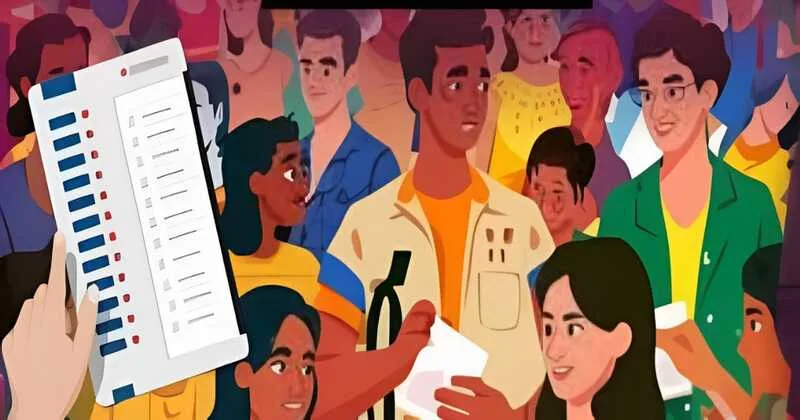
As India rises on the global stage, divisive narratives threaten its internal unity. Caste-based election surveys by CSDS, funded by foreign entities, risk deepening social divides under the guise of research

WEBDESKWEBDESK
Aug 21, 2025, 05:00 pm IST
inBharat
Follow on Google News
Representative image

Representative image

Facebook
Twitter
WhatsAppTelegramEmail

As India steadily ascends the global ladder toward superpower status, questions are emerging about the internal fault lines being manipulated, amplified, and perpetuated, often through seemingly academic and data-driven sources. Among the most significant of these is the Centre for the Study of Developing Societies (CSDS), a Delhi-based think tank that has, for decades, been publishing post-election surveys categorising voters by caste and religion. These surveys, funded by organisations like the Ford Foundation, are not just influencing political analysis—they are shaping the very lens through which Indians view each other.

The problem with CSDS surveys

After every election, a familiar cycle begins: newspapers, magazines, television debates, academic journals, and even PhD theses cite CSDS data to explain which caste or religious community voted for which party.

These numbers are then used to draw sweeping conclusions:
Yadavs voted this way; Kurmis that way.
Muslims supported Party X; Banias leaned toward Party Y.
Brahmins “flipped” their vote; Dalits were split by sub-caste.
This isn’t just about data. It’s about the narrative this data produces and the social consequences that follow.

Also Read: Ukraine-Russia Peace Talks in Limbo amid NATO Tensions: Is Trump failing as war threatens to spill across Europe?

For the next five years, these caste-based interpretations dominate the political and social discourse. The result? Caste consciousness deepens. Social trust erodes. Suspicion grows between communities, urban and rural alike. Political parties begin to avoid investing in areas where survey data claims they didn’t get votes. Instead of governance, the focus shifts to vote-bank engineering.

The Ford Foundation link

Why is an American foundation like the Ford Foundation funding such data collection? What stake does it have in India’s internal voting patterns? There’s a deeper question here: Who benefits from an India divided along caste and religious lines?

Senior journalist and author Dilip Mandal, in a post on X, wrote, “A fractured India cannot become a global superpower. A divided society is a distracted society, one that is constantly fighting within rather than focusing on innovation, development, or global leadership. The suggestion here isn’t conspiratorial for its own sake; rather, it highlights a pattern of foreign-funded projects that centre caste, religion, gender, and identity in ways that seem to undermine national cohesion. Environmental activism, LGBTQ advocacy, caste discourse, and religious freedom discussions, all important topics in their own right, are being weaponised through foreign money to provoke division instead of fostering progress”.

Mandal further added,” It is time to rethink the role of caste- and religion-centric electoral surveys in Indian democracy. These surveys do not merely reflect voter behaviour—they shape it, weaponise it, and deepen fault lines that India’s Constitution seeks to heal. The Election Commission of India should step in and ban such surveys. Academic freedom and data collection should not become tools for social fragmentation”.
 

Topics: Election CommissionIndian democracyforeign fundingFord FoundationCSDSElection SurveysSocial DivisionPolitical Manipulation
Share
Tweet
SendShareSend
✮ Subscribe Organiser YouTube Channel. ✮
✮ Join Organiser's WhatsApp channel for Nationalist views beyond the news. ✮
Previous News

India refutes Nepal claim over Lipulekh, rebukes ‘unilateral enlargement’, echoes ‘diplomacy’ to solve boundary issues

Next News

Poverty reduction and equality drive central to Viksit Bharat vision

Related News

A representative image

Missionary activities under scanner in Bengal: Allegations of tribal conversions, foreign funding spark local backlash

Activist Sonam Wangchuk

Beyond NEET: The bigger debate around Sonam Wangchuk, foreign funding networks and the George Soros connection

CJP Protest: Anjali Bharadwaj & Shabana Azmi, funded by Ford, Soros & deep state spotted at Delhi protest

A representative image

Passport meant for international travel, not citizenship proof: MEA clarifies amid political row

Election Comission of India

Election Commission adds parents SIR declaration to online form 6 for new voter registration

Indonesia President Prabowo Subianto and Prime Minister Narendra Modi

India-Indonesia EVM Collaboration: Reflects electoral transparency & thriving democracy amid opposition’s allegations

Load More

Latest News

Zuckerberg Apologises Over PM Modi Video, Meta Faces Fresh Scrutiny

Meta under fire over content manipulation: Mark Zuckerberg apologises over PM Modi video row, CSAM & deepfake lapses

The Amritsar arrests expose a troubling new face of proxy warfare, low-cost, digitally recruited and built around vulnerable young recruits (AI generated image)

Amritsar Arrests Expose the New Face of Proxy War: Petrol bombs, online handlers & vulnerable teen recruits

CPM cadre convicted by Court

Keralam: CPM cadres get 16-year jail term for bid to murder RSS karyakartas in 2018 Panoor case

Tamil Nadu Finance Minister N. Marie Wilson presented the first Budget of the TVK government in Assembly on August 5, 2026

Tamil Nadu: TVK’s first Budget projects Rs 16,000 crore additional revenue, announces welfare push

India’s global crackdown on fugitives has intensified, with 274 offenders brought back from 36 countries since 2019 (AI generated image)

From Vijay Mallya to Tahawwur Rana: India’s global pursuit of fugitives brings 274 offenders back from 36 countries

SDPI National General Secretary Riyaz Parangipete

Karnataka Hate Speech Case: SDPI’s Riyaz Parangipete convicted in 11-year-old case, PFI links back in focus

Press breifing by Adilabad SP Akhil Mahajan, IPS

Telangana: Bangladeshi nationals arrested in Adilabad; police expose cross-border burglary network active since 2015

India’s laws allow police to use proportionate force against unlawful assemblies, subject to legal safeguards

Use of Force by Police: Understanding the law beyond the controversy

I.I.M.U.N. founder Rishabh Shah (Left), RSS Sarsanghchalak Dr Mohan Bhagwat (Right)

‘Not the first time’: RSS Sarsanghchalak Dr Bhagwat returns to I.I.M.U.N. to engage with Gen Z & Gen Alpha in Mumbai

Varanasi is set to welcome a spectacular cricket stadium blending modern sports infrastructure with Kashi’s timeless spiritual identity (AI generated image)

Varanasi: Bhagwan Shiva-inspired cricket stadium set to blend Kashi’s spiritual heritage with modern sporting grandeur

Load More
  • Privacy
  • Terms
  • Cookie Policy
  • Refund and Cancellation
  • Delivery and Shipping

© Bharat Prakashan (Delhi) Limited.
Tech-enabled by Ananthapuri Technologies

  • Home
  • Search Organiser
  • Bharat
    • Assam
    • Bihar
    • Chhattisgarh
    • Jharkhand
    • Maharashtra
    • View All States
  • World
    • Asia
    • Africa
    • North America
    • South America
    • Europe
    • Australia
  • Editorial
  • Operation Sindoor
  • Opinion
  • Analysis
  • Defence
  • Culture
  • Sports
  • Business
  • RSS @ 100
  • Entertainment
  • More ..
    • Sci & Tech
    • Vocal4Local
    • Special Report
    • Education
    • Employment
    • Books
    • Interviews
    • Travel
    • Health
    • Politics
    • Law
    • Economy
    • Obituary
  • Subscribe Magazine
  • Read Ecopy
  • Advertise
  • Circulation
  • Careers
  • About Us
  • Contact Us
  • Policies & Terms
    • Privacy Policy
    • Cookie Policy
    • Refund and Cancellation
    • Terms of Use

© Bharat Prakashan (Delhi) Limited.
Tech-enabled by Ananthapuri Technologies