





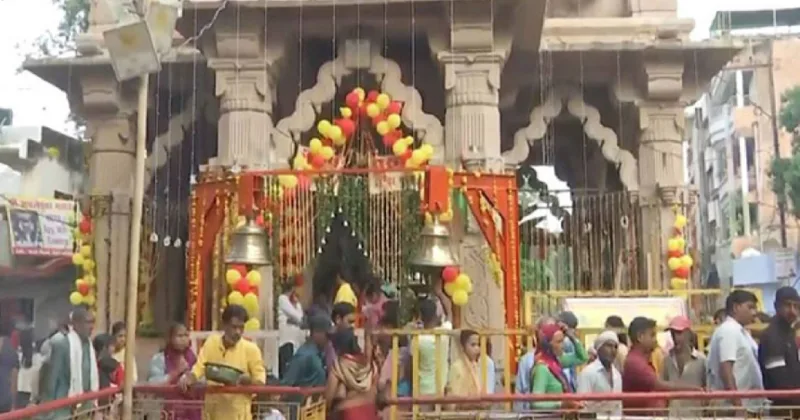
On August 9, 2025, as the sacred threads of Raksha Bandhan are poised to be tied, the spirit of this cherished festival is extending far beyond the confines of homes and families. This year, the heart of the celebrations is beating within the hallowed walls of temples across India, where deeply unique and heartwarming traditions are transforming the occasion into a profound act of divine devotion. These sacred rituals are not merely symbolic gestures; they are living reflections of ancient legends and mythological tales that celebrate a spiritual siblinghood transcending time and space.
In these temple celebrations, the festival’s central theme of love and protection takes on a celestial dimension. Devotees are not just tying threads on their brothers; they are offering rakhis to their beloved deities, seeking their blessings and promising their unwavering faith. Each temple’s unique observance – whether rooted in a specific regional myth or a centuries-old custom – weaves a rich tapestry of cultural unity, reminding the nation that the bond of Raksha Bandhan is a testament to the protective grace of a higher power. These collective acts of piety and love highlight how the festival is not just a personal affair but a shared spiritual journey that touches the very soul of the country.
This report details 10 unique Raksha Bandhan rituals observed from 2018 to 2025. These traditions, celebrated at temples across India, highlight the festival’s deep spiritual essence and divine symbolism.
Devidhura’s Bagwal: A Raksha Bandhan battle
On August 9, 2025, the Devidhura Temple in Champawat, Uttarakhand, will be the site of the ancient Bagwal Festival, an extraordinary celebration held on Raksha Bandhan. This unique ritual involves thousands of devotees from four traditional clans – Chamyal, Gaharwal, Lamgariya, and Walig – who engage in a symbolic battle by throwing stones, fruits, and flowers at one another. The festival’s origins trace back to a legend where human sacrifice was once offered to Goddess Barahi. According to the legend, the goddess accepted a symbolic offering instead after a mother prayed to spare her son’s life, and the tradition of Bagwal replaced the sacrifice with this mock battle.
Vanshi Narayan Temple: A once-a-year opening
The Vanshi Narayan Temple in Chamoli, Uttarakhand, opens its doors to devotees only once a year on Raksha Bandhan. On August 19, 2024, villagers celebrated this unique tradition, which is tied to a legend of Goddess Lakshmi. Distressed by her separation from Vishnu, she sought advice from Narad Muni, who suggested she tie a sacred thread, or Raksha Sutra, to King Bali on Shravan Purnima and ask for Vishnu’s release as a gift. The king honoured the thread and freed Vishnu, leading to their reunion. During the temple’s annual opening, villagers offer butter as bhog, and the deity is adorned with rare flowers that only bloom in the temple garden. Women tie rakhis to Lord Vishnu’s idol, and devotees perform the sacred thread ritual.
Divine Rakhi celebrations in Jaipur
On August 19, 2024, temples in Jaipur, Rajasthan, known as Choti Kashi, held divine Rakhi celebrations. At the Choti Kashi temple, women tied a Raksha Sutra to Thakur Ji, viewing him as their divine brother and protector. At the Govind Dev Ji temple, both Thakur Ji and Radha Rani were adorned with a special golden Kalaboot Rakhi during the Shringar Jhanki. Rakhis were also tied to Radha Rani, her Sakhis, and Gauranga Mahaprabhu, while a silver rakhi was offered to Bhagwan Ganesha, highlighting the festival’s deep spiritual significance.
Raw cotton rakhi tied to Danteshwari Mata
On August 19, 2024, the Danteshwari Mata Temple in Dantewada, Chhattisgarh, celebrated Raksha Bandhan with an 800-year-old tradition. The Madri family of Katiyaras village, who have served as temple sevadars for generations, prepared handmade rakhis from raw cotton. This sacred process took 4-5 days and included washing the rakhis with holy water from the Shankani and Dankani rivers. The first rakhi was tied to the deity, Danteshwari Mata, with other deities in the temple receiving theirs afterward.
Unique Raksha Bandhan tradition at Banke Bihari Temple
In Bharatpur, Rajasthan, on August 19, 2024, the Banke Bihari Temple was a site of unique devotional traditions. Many girls, especially those without a brother, visited the temple to tie a rakhi to Bhagwan Krishna, who is worshipped there as Laddu Gopal or Banke Bihari. This ritual symbolizes the bond between Bhagwan Krishna and Draupadi, with devotees believing that Banke Bihari offers them protection. Along with the rakhi, the girls offered sweets, flowers, and diyas, seeking blessings and protection from their divine brother.
Thousands of rakhis offered to Banke Bihari in Vrindavan
The Thakur Banke Bihari Temple in Vrindavan, Mathura, Uttar Pradesh, celebrated Raksha Bandhan on September 1, 2023, with a unique display of sibling devotion. Thousands of rakhis, sent by devotees from all over the country, were offered to the deity, who is considered a divine brother and protector. This heartfelt, long-standing tradition symbolises spiritual bonding and protection. Women devotees, considering Thakur Ji as their brother, sent rakhis by post along with their prayers for happiness and good fortune. On Raksha Bandhan morning, the temple priests and Goswamis ceremoniously offered all these rakhis and accompanying items to the deity.
Khajrana Ganesh receives patriotic rakhi
The Khajrana Ganesh Temple in Indore, Madhya Pradesh, celebrated Raksha Bandhan by tying a record-breaking patriotic rakhi to Bhagwan Khajrana Ganesh. This special 40×40 rakhi, a tradition for the last 20 years, was crafted by 30-40 artists over three months and is registered in the Golden Book of World Records. The rakhi featured patriotic symbols like Chandrayaan-3, the new Parliament building, the Vande Bharat train, the Indian map, the national emblem, and the Raj Danda Sengol, highlighting India’s significant achievements. Materials for the rakhi were sourced from major Indian cities like Jaipur, Delhi, Kolkata, Surat, and Mumbai.
The spiritual essence of rakhi at Puri’s Jagannath Temple
The Jagannath Temple in Puri, Odisha, is the only Hindu temple dedicated to siblings, honouring the divine relationship between Bhagwan Jagannath, his elder brother Balabhadra, and his sister Subhadra. A divine tradition on August 26, 2023, saw Subhadra tie a rakhi to her brothers. This ritual, which is also performed before the famous Rath Yatra, symbolises her prayers for their safety before they embark on their chariot journey to the Gundicha temple. The story reflects the profound spiritual significance of sibling bonds, where Subhadra represents Yogamaya, the inner divine energy of Krishna, and Balabhadra is the manifestation of Seshnag, symbolising spiritual strength.
Rakhi offered to Bhagwan Mahakal in Ujjain
On August 22, 2021, the Mahakaleshwar Temple in Ujjain, Madhya Pradesh, initiated the festival of Raksha Bandhan by first offering a rakhi to Bhagwan Mahakal. During the sacred Bhasma Aarti, priests and women from priestly families tie a rakhi to Baba Mahakal. The deity was also given a special ceremonial adornment for the occasion. This tradition is rooted in the belief that all major festivals worldwide begin in the court of Bhagwan Mahakal before being celebrated anywhere else.
Chilkur Balaji Temple’s unique Raksha Bandhan celebration
The Chilkur Balaji Temple in Hyderabad hosted a unique celebration of Raksha Bandhan on August 26, 2018. In a first for the city, the temple organised an event where girls and women were encouraged to tie rakhis to boys and male devotees within the temple premises, fostering a sense of divine siblinghood. The temple authorities also extended the spirit of the festival by distributing sacred rakhi threads as prasadam to visually impaired girls from the Devanar School for the Blind and students from a government primary school in Manikonda. This initiative was widely praised by devotees for its inclusive spirit.
The collection of rituals described demonstrates how Raksha Bandhan’s essence extends far beyond the traditional exchange between a brother and sister. Across India, the festival is a powerful expression of spiritual and divine bonds. Whether through ancient mock battles to honor a goddess, a temple that opens only once a year to celebrate a divine reunion, or a tradition of tying rakhis to deities as a plea for protection, these practices show a shared belief in a higher, all-encompassing form of siblinghood. The rituals highlight the festival’s deep-rooted significance as a time for seeking blessings, showing devotion, and celebrating the sacred, protective ties that connect humanity to the divine.















Comments