The auspicious season of festivals is once again upon us. From Raksha Bandhan to Deepawali, markets will glow with lights, consumer enthusiasm will surge, and every household will bustle with the arrival of gifts, ornaments, and decorations. Yet, this is also a time when a subtle inner voice awakens in every Indian, asking: Is my choice in the interest of the nation? Is my consumption aligned with India, or with those who oppose India?
In today’s global context, war has taken on a new definition i.e.an economic battle. Instead of traditional armies, nations now engage through tariffs, trade restrictions, and market manipulation. Several countries, including the United States, have imposed high tariffs on Indian products and continue to issue threats. India faces pressure for purchasing affordable oil from Russia. Meanwhile, China floods Indian markets with cheap but substandard goods, endangering the livelihood of Indian artisans, small businesses, and startups.
In my view, this is not just trade, it is economic warfare, designed to halt India’s journey towards self-reliance and development. At the same time, terror-supporting countries like Pakistan are being strengthened economically and strategically by certain international powers. Is this not a modern form of economic terrorism and a grave threat to our national security?
In such times, the prudence of Indian consumers, their product choices, will define the future of the nation. Every Indian must resolve that whenever they purchase something especially during festivals, they must not choose products from countries that threaten our borders, stand against India on global platforms, or try to derail our development. The question is no longer just about whether an item is cheap or attractive, but whether its selection serves India’s national interest.
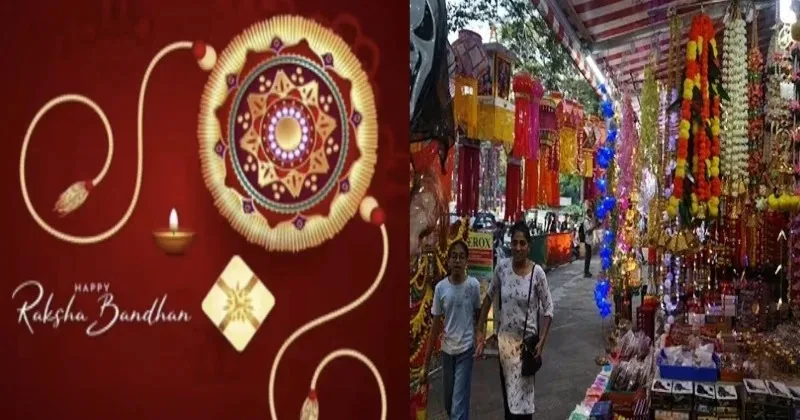
We Indians must decide for ourselves that, “Will the rakhis for Raksha Bandhan come from China or be handmade by Indian artisans?,Will the decorative items and tableaux for Janmashtami be of foreign plastic or crafted by local hands?,Will we opt for ‘Made in India’ items for Navratri and Durga Puja rituals, adornments, and décor, or return to foreign alternatives?, Will Deepawali lights, gifts, sweets, and decorations support Indian brands?,Will the Bhai Dooj gifts be Indian-made?,And not just during festivals,we must always pledge to support products made in India, by Indians. This is not merely an economic decision; it is a sacred offering in the yajna of India’s economic dignity and self-reliance,a contribution that strengthens not just family budgets but the entire national economy. This Swadeshi yajna will undoubtedly bring prosperity to millions of local artisans, women self-help groups, self-employed youth, small entrepreneurs, and ultimately, to India’s rapidly growing economy.
We must also realize that patriotism today goes beyond just hoisting the national flag. The greatest form of nationalism today is economic wisdom. Every ‘Made in India’ purchase is a soldier’s courage, a farmer’s harvest, a craftsperson’s hope, and a decisive step towards making India a developed nation. On the other hand, choosing products from countries hostile to India and working to weaken our economy is nothing short of a blow to our economic freedom and self-respect.
Therefore, festivals are not just occasions for celebration and greetings, but also opportunities to build national character. The next time you step into the market, ask yourself: “Am I with India or with those who stand against her?” If your answer is “With India,” then read the label before you buy,because every consumer today is a soldier, and every Swadeshi product is a counterattack against the economic weapons of anti-India forces.