





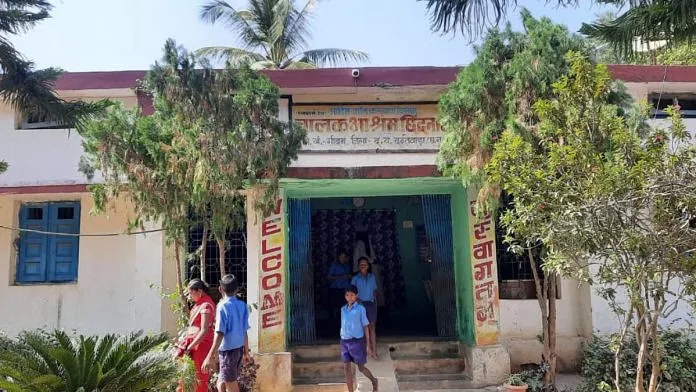
In a major boost to the education sector, the Chhattisgarh government has announced a significant achievement: there are no longer any schools in the state without a teacher. Additionally, the number of single-teacher schools has been reduced by an impressive 80 percent, a move aimed at ensuring quality education for every child, especially in remote and conflict-affected districts.
This landmark development comes on the back of an intensive rationalisation exercise carried out by the state’s School Education Department. The initiative was designed to equitably distribute teaching staff across government schools catering to Classes 1 through 12, in accordance with the Right to Education (RTE) Act and the guidelines of the National Education Policy (NEP).
Before the intervention, Chhattisgarh faced a glaring teacher shortage in many areas. Official data revealed that as many as 453 schools were operating without a single teacher, while 5,936 schools functioned with just one teacher managing all the classes and subjects. The problem was particularly severe in tribal and conflict-hit regions such as Sukma, Narayanpur, and Bijapur, where the recruitment and retention of teachers posed formidable challenges.
These single-teacher schools often struggled to provide even basic instruction, severely impacting the learning outcomes of thousands of children. The situation called for immediate and decisive action.
In response, the Chhattisgarh government launched a structured rationalisation programme. As part of this, a three-tier counselling process was introduced to facilitate the redeployment of teachers to schools that were understaffed or lacked teaching faculty altogether.
The focus was not only on primary education but also on ensuring that high schools met the mandated faculty strength. Officials confirmed that all high schools across the state have now met the prescribed teacher-student ratio, ensuring that subject-specific teachers are available in every institution.
Speaking on the development, Chief Minister Vishnu Deo Sai reaffirmed his government’s commitment to education for all.
“We are moving towards a future where no child in Chhattisgarh will study without a teacher. Quality education is not just our responsibility but our promise to every child in the state,” the Chief Minister said in an official statement.
The government believes that a robust and balanced distribution of teaching resources is the key to not just fulfilling legal obligations but also empowering future generations through education.
While this achievement is a major milestone, the journey is not yet complete. The government has identified 1,207 remaining single-teacher primary schools, which will be staffed through a combination of internal promotions and fresh recruitment drives.
The Education Department has already initiated processes to expedite appointments in these schools, with special attention to ensuring that rural and tribal regions do not lag behind.
The announcement has been widely welcomed by educationists, parents, and social activists.
“Teacher availability is the bedrock of any education system. Chhattisgarh’s efforts show that with political will and administrative planning, even long-standing challenges can be addressed,” said Dr. Meera Kashyap, an education policy expert based in Raipur.
Parents in remote districts have also expressed hope that their children will now have access to better educational opportunities. “Earlier, we had to depend on one teacher who couldn’t manage all subjects. Now things are looking much better,” said Lakhan Usendi, a parent from Dantewada district.
With no schools left without teachers and a remarkable 80 percent reduction in single-teacher schools, Chhattisgarh has made a decisive leap towards achieving universal quality education. The government’s commitment to fill remaining gaps through promotions and fresh appointments signals a sustained focus on education reform, ensuring that no child in the state is left behind.














Comments