





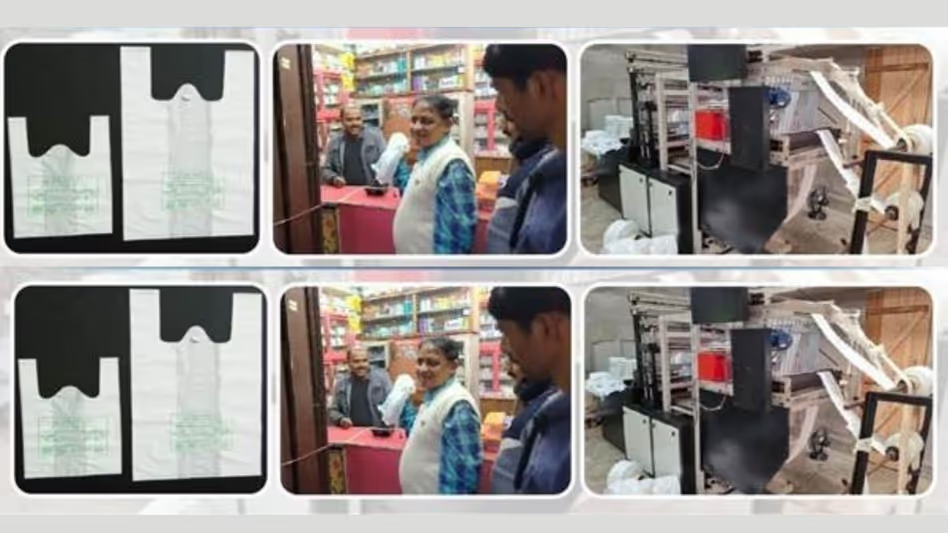
Kamalpur Nagar Panchayat in Tripura has introduced compostable bags made from PBAT (polybutylene adipate terephthalate), a biodegradable and chemical-free polymer, offering an eco-friendly alternative to single-use plastic. This initiative, launched under the aegis of the Swachh Bharat Mission-Urban, marks a significant stride in India’s efforts to curb plastic pollution and transition towards a circular economy.
These PBAT-based compostable bags are certified by the Central Institute of Petrochemicals Engineering and Technology (CIPET) for meeting compostability and biodegradability standards. Unlike traditional plastic bags, which take centuries to decompose, these bags break down within 180 days.
The Panchayat has ensured affordability and accessibility, pricing them at Rs 145 per kilogram wholesale and Rs 160 per kilogram retail. Alongside distribution, authorities are engaging with the local community through awareness campaigns to promote responsible use and waste management practices.
Plastic waste has emerged as a critical environmental challenge across India’s urban centres. What was once a symbol of convenience is now a visible pollutant clogging cities and threatening ecosystems. In response, the Swachh Bharat Mission-Urban is catalysing innovative, technology-driven, and citizen-led solutions. Guided by the principles of Swabhav (nature), Swachhata (cleanliness), and Sanskar (values), the mission promotes reuse, recycling, and recovery, known as the RRR model, as key tools to eliminate single-use plastics (SUPs).
Similar efforts are being carried out in other regions. For instance, in Tamil Nadu, the Trichy City Corporation collaborated with GIZ India’s Circular Waste Solutions project to target SUP usage in local farmers’ markets. Through educational drives and the “Thunippai Thiruvizhai” initiative promoting reusable cloth bags, three major markets collectively avoided nearly 3,120 kg of SUPs in less than a year.
In Uttarakhand, the Digital Deposit Refund System (DRS), introduced in Kedarnath and expanded across the Char Dham region, offers a monetary refund of Rs 10 on plastic bottle returns. This QR-code-based system ensures plastic waste is returned via Reverse Vending Machines and collected at designated sites, then sent to Material Recovery Facilities for recycling. Since its inception, the system has recovered 20 lakh plastic bottles, reduced 66 metric tonnes of CO₂ emissions, generated over 110 jobs, and increased informal waste workers’ earnings by nearly 38 per cent.
The Andaman and Nicobar Islands launched a buy-back campaign where residents return used plastic milk pouches in exchange for fresh milk or discounts. By November 2024, the initiative had collected 17,600 pouches, rewarding participants with 352 litres of milk. This effort, led by ANIIDCO and SVPMC, has fostered environmental consciousness and contributed to waste reduction through public engagement.
In Patiala, Punjab, a Plastic Recycling Facility (PRF) funded through CSR initiatives is tackling multilayered plastic (MLP) waste by converting it into durable chipboards. These boards, created using hot and cold pressing technology, are now used in furniture, temporary shelters, and roofing. The facility processes up to 10 tonnes of plastic waste daily, producing 75 to 100 boards, demonstrating a viable industrial-scale model of sustainable reuse.
These diverse initiatives across India highlight a growing commitment to sustainable urban development, where municipalities, citizens, and private players collaboratively advance eco-friendly solutions. Kamalpur’s PBAT compostable bag project stands out as a replicable model in India’s expanding plastic-free movement, reinforcing the Swachh Bharat Mission’s goal of a cleaner, greener, and more sustainable future.














Comments