





Amid escalating geopolitical tensions between India and Pakistan, Indian travellers are increasingly choosing destinations seen as friendly allies — notably Armenia and Greece — while turning away from countries perceived as siding with Pakistan, such as Turkey and Azerbaijan. This shift in travel preferences follows a surge in nationalist sentiment after the Pahalgam terror attack on April 22, 2025.
Boycott Movement Gains Ground
The attack in Pahalgam and India’s subsequent military response triggered a wave of public anger across the country. Turkey and Azerbaijan’s open support for Pakistan in the aftermath of the violence further fueled outrage among Indian citizens, leading to widespread calls for boycotting these nations, especially in the travel and tourism sectors.
As the boycott movement gained traction on social media and in public discourse, several major Indian travel agencies responded swiftly. Companies like Travomint, EaseMyTrip, and Cox & Kings announced the suspension of all travel packages to Turkey and Azerbaijan, aligning their offerings with growing nationalistic sentiments. The decisions reflect a notable trend: the increasing role of geopolitical dynamics in shaping consumer behaviour, particularly when it comes to international travel.
With Turkey and Azerbaijan off the list for many Indian travellers, destinations like Armenia and Greece, viewed as diplomatically neutral or supportive of India, are witnessing a rise in popularity. This shift underscores how political alliances and global events are becoming key factors in shaping tourism trends among Indian consumers.
Armenia and Greece: The New Favourites of Indian Tourists Amid Shifting Geopolitical Winds
As India recalibrates its international relationships in response to rising tensions with Turkey and Azerbaijan, new travel trends are emerging. Indian tourists are increasingly turning toward destinations seen as strategic allies, and at the forefront of this shift are Armenia and Greece.
Armenia: A Strategic Ally Turned Travel Hotspot
Armenia has steadily cemented its position as one of India’s closest partners in the South Caucasus. Since 2020, the two nations have deepened their defence cooperation, with Armenia procuring significant military equipment from India and engaging in joint military initiatives. This growing strategic alignment is now echoing in civilian domains, particularly tourism.
Indian travellers, influenced by Armenia’s friendly stance and regional partnership with India, are showing growing interest in the country. Armenia’s unique location, nestled between Europe and Asia, offers not only geographical appeal but also a sense of geopolitical reliability for Indian visitors. Its rich cultural heritage, historic churches, and scenic landscapes — paired with a welcoming atmosphere — are increasingly attracting Indian tourists looking for destinations that align with both their cultural curiosity and national sentiment.
Greece: Timeless Charm Meets Strategic Partnership
Greece, too, is experiencing a tourism boom from India. With a long-standing history of cultural and diplomatic exchange, the India-Greece relationship spans several sectors, including defence, trade, and energy cooperation. Recent trade agreements and diplomatic engagements have further strengthened bilateral ties, encouraging more Indian travellers to explore the Mediterranean nation.
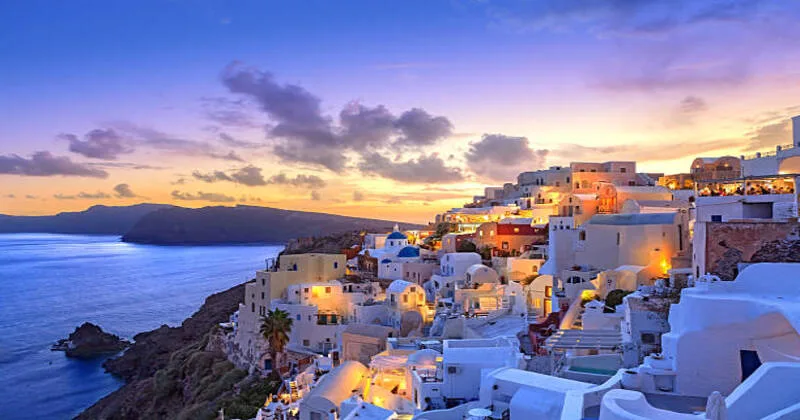
From the ancient ruins of Athens to the iconic blue-domed rooftops of Santorini, Greece offers an ideal mix of classical heritage and natural beauty. Indian tourists are particularly drawn to the country’s deep-rooted history, vibrant coastal towns, and the warmth of its people — elements that resonate with Indian values and aesthetics. Economic and Diplomatic Implications of India’s Travel Pivot from Turkey and Azerbaijan to Armenia and Greece
The recent shift in Indian travel preferences—away from Turkey and Azerbaijan and toward Armenia and Greece—is more than just a political gesture. It carries significant economic and diplomatic consequences that are already beginning to reshape regional tourism dynamics.
Economic Fallout for Turkey and Azerbaijan
In 2024, Turkey welcomed approximately 330,000 Indian tourists, while Azerbaijan saw around 240,000 visitors from India. These figures highlight the importance of Indian travelers to both countries’ tourism sectors. With India’s growing middle class and increasing appetite for international travel, the country has become a crucial source market for global tourism.
However, the growing boycott movement in India—sparked by Turkey and Azerbaijan’s support for Pakistan following the April 2025 Pahalgam terror attack—is expected to drastically cut these numbers. The potential decline in Indian tourist arrivals could deal a severe blow to the tourism, hospitality, and related industries in both countries, leading to revenue losses, job cuts, and a dent in broader economic activity tied to tourism.
Economic Opportunities for Armenia and Greece
Conversely, the pivot toward Armenia and Greece presents major economic opportunities. As Armenia strengthens its strategic and defence ties with India, the growing influx of Indian tourists is set to provide a welcome boost to its economy. Armenia’s appeal—rooted in its historical landmarks, cultural depth, and hospitable environment—positions it as an emerging favourite for Indian travellers. The increase in tourism will likely fuel growth in the hospitality, transport, and service industries, while opening doors for deeper cultural and economic engagement between the two nations.
Greece, with its longstanding diplomatic and cultural ties with India, is also poised to benefit from this shift. Indian tourists are increasingly flocking to popular Greek destinations such as Athens, Mykonos, and Santorini. This surge in tourism is expected to energise Greece’s local economies, particularly in regions heavily reliant on the travel industry. The ripple effect will be felt across hotels, restaurants, tour services, and local artisan markets.
Beyond immediate financial gains, this trend also contributes to strengthening diplomatic and economic ties. As Greece and Armenia become preferred travel destinations, they are also cementing their status as reliable partners in India’s broader foreign policy and economic strategies.
Political Ramifications and Future Outlook
The increasing trend of Indian travelers boycotting Turkey and Azerbaijan serves as a direct reflection of the ongoing geopolitical tensions between India and Pakistan. As the political climate intensifies, the choices of individual travelers are becoming more intertwined with national and diplomatic sentiments. This shift underscores a growing trend where travel decisions are no longer just about leisure; they are increasingly influenced by the political landscape and national interests.
The pivot towards Armenia and Greece, on the other hand, may have far-reaching political consequences. As Armenia solidifies its role as a strategic partner for India, the two nations are expected to deepen their diplomatic and economic ties, laying the groundwork for future collaborations in areas such as trade, defence, and culture. Similarly, Greece, with its strong historical and economic ties with India and membership in the European Union, is well-positioned to play a larger role in enhancing regional stability and fostering stronger bilateral relations with India.















Comments