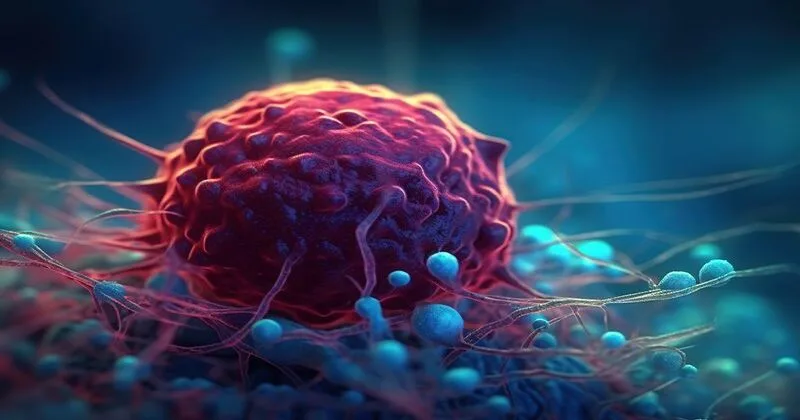
Cancer risk linked to p53 in ulcerative colitis: Study
September 13, 2026
  • Read Ecopy
  • Circulation
  • Advertise
  • Careers
  • About Us
  • Contact Us
Android AppiPhone AppArattai
Organiser
  • ‌
  • Bharat
    • Assam
    • Bihar
    • Chhattisgarh
    • Jharkhand
    • Maharashtra
    • View All States
  • World
    • Asia
    • Europe
    • North America
    • South America
    • Africa
    • Australia
  • Editorial
  • International
  • Opinion
  • RSS @ 100
  • More
    • World Hindu Congress 2026
    • Op Sindoor
    • Analysis
    • Sports
    • Defence
    • Politics
    • Business
    • Economy
    • Culture
    • Special Report
    • Sci & Tech
    • Entertainment
    • G20
    • Azadi Ka Amrit Mahotsav
    • Vocal4Local
    • Web Stories
    • Education
    • Employment
    • Books
    • Interviews
    • Travel
    • Law
    • Health
    • Obituary
  • Subscribe
    • Subscribe Print Edition
    • Subscribe Ecopy
    • Read Ecopy
  • ‌
  • Bharat
    • Assam
    • Bihar
    • Chhattisgarh
    • Jharkhand
    • Maharashtra
    • View All States
  • World
    • Asia
    • Europe
    • North America
    • South America
    • Africa
    • Australia
  • Editorial
  • International
  • Opinion
  • RSS @ 100
  • More
    • World Hindu Congress 2026
    • Op Sindoor
    • Analysis
    • Sports
    • Defence
    • Politics
    • Business
    • Economy
    • Culture
    • Special Report
    • Sci & Tech
    • Entertainment
    • G20
    • Azadi Ka Amrit Mahotsav
    • Vocal4Local
    • Web Stories
    • Education
    • Employment
    • Books
    • Interviews
    • Travel
    • Law
    • Health
    • Obituary
  • Subscribe
    • Subscribe Print Edition
    • Subscribe Ecopy
    • Read Ecopy
Organiser
  • Home
  • Bharat
  • World
  • Operation Sindoor
  • Editorial
  • Analysis
  • Opinion
  • Culture
  • Defence
  • International Edition
  • RSS @ 100
  • Magazine
  • Read Ecopy
Home World

Cancer risk linked to p53 in ulcerative colitis: Study

Researchers have identified a critical link between the p53 gene and ulcerative colitis, a condition that increases the risk of colon cancer. Their study suggests targeting p53-related defects could offer new therapeutic options to prevent cancer progression in Ulcerative Colitis patients

WEBDESKWEBDESK
Nov 11, 2024, 11:00 pm IST
inWorld, Health
Follow on Google News
Representative image

Representative image

Facebook
Twitter
WhatsAppTelegramEmail

Researchers in Michael Sigal’s lab at the Max Delbruck Center and Charite – Universitatsmedisin Berlin have discovered the significance of the p53 gene in ulcerative colitis. The work, published in Science Advances, proposes a potential new therapeutic target for preventing illness progression to cancer.

A team of researchers led by Kimberly Hartl, a graduate student at the Berlin Institute for Medical Systems Biology of the Max Delbruck Center (MDC-BIMSB) and Charite – Universitatsmedizin, have shed new light on the role of the p53 tumour suppressor gene in the pathogenesis of ulcerative colitis (UC) – an inflammatory bowel disease that afflicts an estimated five million people worldwide and that is linked to an increased risk of colon cancer. The research points to a new way to stop the disease from progressing. The study was published in the journal Science Advances.

“In patients with ulcerative colitis who are at high risk for developing cancer, we could potentially target aberrant cells and get rid of them early, before any cancer occurs,” says Professor Michael Sigal, Group Leader of the Gastrointestinal Barrier, Regeneration Carcinogenesis lab at MDC-BIMSB, Head of Luminal Gastroenterology at Charite, and a senior author of the paper.

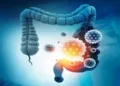
A key role for p53: Ulcerative colitis affects the large intestine, specifically areas called “crypts,” tube-like glands within the epithelial tissue that lines the intestine. Crypts contain stem cells and other cell types that maintain the health and normal function of the colon, such as absorbing nutrients or secreting mucus.

When the colon is injured, epithelial crypt cells enter a “repair mode.” They begin to proliferate rapidly to fix the injury. However, in patients with UC and UC-related colon cancers, these cells become stuck in repair mode, which scientists refer to as a “regenerative cell state.” As a result, there are too few mature cells. Consequently, the colon struggles to function normally, which triggers even more stem cell proliferation in a toxic feedback loop.

In the current study, Hartl found this defective repair mechanism is linked to a non-functional p53 gene, which plays a key role in regulating the cell cycle and in repairing DNA.

“If there is no p53, cells remain in a proliferative state,” Sigal explained. Existing tests to find precancerous lesions in patients with UC, such as colonoscopies, can identify visible lesions that sometimes are not easy to remove, says Sigal. This study could be a first step in developing molecular tools for a less invasive diagnostic test that would allow physicians to identify the aberrant cells much earlier, even before visible alterations occur, he added.

To study the repair process, the researchers developed a three-dimensional organoid – a mini-organ – a model of the colon grown from mouse stem cells.

Together with specialists in DNA and RNA sequencing as well as proteomics and metabolomic technology at the Max Delbruck Center, they found that cells in organoids lacking p53 are stuck in the regenerative state. Thus, the cells metabolise glucose more rapidly via the process of glycolysis. By contrast, when p53 is active, it diminishes glucose metabolism and signals cells to re-enter a healthy state.

The scientists then treated the organoids with compounds that interfere with glycolysis to test whether they could target these highly proliferative cells. They found that cells that lacked the p53 gene were more vulnerable to this treatment than normal cells. “With organoids, we can identify very specific agents that can target metabolic pathways and point us toward potentially new therapeutics to selectively target mutated cells,” Hartl added.

The next step is to transfer these findings to the human setting. The researchers are also now studying the repair process in more detail with the goal of developing more simple methods to identify cells with defective p53 genes in colon tissue.

“Once we have a simple method of identifying these individual cells in colon tissues, we could perform clinical studies to selectively kill them, and then analyse whether this is associated with a lower risk of developing cancer,” said Sigal.

(With inputs from ANI)

 

Topics: colon cancerInflammatory bowel diseasep53 geneUlcerative colitisCancer risk
Share
Tweet
SendShareSend
✮ Subscribe Organiser YouTube Channel. ✮
✮ Join Organiser's WhatsApp channel for Nationalist views beyond the news. ✮
Previous News

Hindu Temple Attack: SC lawyer Jindal files petition in Canadian Court over inaction by Trudeau against Khalistanis 

Next News

Manipur: 10 terrorists killed during heavy gunfight with security forces; Arms and ammunitions recovered

Related News

Pesticides linked to cancer and environmental harm remain in use on Indian farms, sparking fresh concerns about food safety

Toxic Harvest? Why cancer-linked pesticides continue to be used across Indian farms despite global concerns

Representative image

Parasitic infection tied to cancer-linked gene activity in cervix, study finds

Representative image

Study finds critical relationship between stem cells, mechanical signals

Representative image

Diet can be risk factor for colon cancer in younger adults, finds study

Representative image

Researchers discover major cause of inflammatory bowel disease

Representative image

Exposure to broccoli sprouts protects against colitis in bowel disease

Load More

Latest News

Tiger Bright coffee from Koraput’s tribal farmers featured in BRICS Summit media kits in New Delhi

From Eastern Ghats to BRICS: Koraput Coffee puts Odisha’s tribal enterprise on global map

The RSS has spent a century building influence through organisation, social networks and ideological formation beyond the electoral arena

RSS at 100: How the Sangh built a century-long network of influence beyond Indian politics

India on a Platter: BRICS Dinner Menu Celebrates Regional Culinary Heritage

BRICS Dinner Menu: From Khandvi, mushroom kebabs to pulao global leaders get a taste of Bharat’s culinary heritage

Exterior of the Lokayukta Building

Karnataka Lokayukta records 1,248 cases in four years, 887 linked to bribery

RSS Akhil Bharatiya Karyakarini Sadasya Dr Manmohan Vaidya at a Pramukh Jan Samvad Sangosthi organised by Kashi Mahanagar on the occasion of the RSS Centenary Year,

Entire society must unite with a sense of oneness; This Is the spirit of Sangh Work: Dr Manmohan Vaidya

‘Samuel Could Never Do This’: Mother Rejects Blasphemy Allegations Against Son in Lahore

Pakistan Blasphemy Case: Mother of Christian man Samuel Arif claims false implication, seeks justice

Prime Minister Narendra Modi, along with Chinese President Xi Jinping, Russian President Vladimir Putin and other world leaders, poses for a picture at a joint tree plantation initiative during the BRICS Summit

BRICS Summit 2026: India as the voice of Global South, shared responsibilities & scripting inclusive world order

Chinese President Xi Jinping and Prime Minister Narendra Modi

BRICS Summit 2026: PM Modi hold talks with President Xi; Stresses border peace & tranquility as key to India-China ties

Tamil Nadu: Hindu Munnani flags TVK govt’s restrictions on Vinayaka pandals, barring women, children from processions

Lashkar-e-Toiba founder Hafiz Saeed. (File image)

J&K Terror Case: Hafiz Saeed gets second NBW; NIA says he operates from Pakistan

Load More
  • Privacy
  • Terms
  • Cookie Policy
  • Refund and Cancellation
  • Delivery and Shipping

© Bharat Prakashan (Delhi) Limited.
Tech-enabled by Ananthapuri Technologies

  • Home
  • Search Organiser
  • Bharat
    • Assam
    • Bihar
    • Chhattisgarh
    • Jharkhand
    • Maharashtra
    • View All States
  • World
    • Asia
    • Africa
    • North America
    • South America
    • Europe
    • Australia
  • Editorial
  • Operation Sindoor
  • Opinion
  • Analysis
  • Defence
  • Culture
  • Sports
  • Business
  • RSS @ 100
  • Entertainment
  • More ..
    • Sci & Tech
    • Vocal4Local
    • Special Report
    • Education
    • Employment
    • Books
    • Interviews
    • Travel
    • Health
    • Politics
    • Law
    • Economy
    • Obituary
  • Subscribe Magazine
  • Read Ecopy
  • Advertise
  • Circulation
  • Careers
  • About Us
  • Contact Us
  • Policies & Terms
    • Privacy Policy
    • Cookie Policy
    • Refund and Cancellation
    • Terms of Use

© Bharat Prakashan (Delhi) Limited.
Tech-enabled by Ananthapuri Technologies