





India outlines biodiversity targets: 30 per cent land, water protection and restoration by 2030
December 5, 2025
  • Read Ecopy
  • Circulation
  • Advertise
  • Careers
  • About Us
  • Contact Us
Android AppiPhone AppArattai
Organiser
  • ‌
  • Bharat
    • Assam
    • Bihar
    • Chhattisgarh
    • Jharkhand
    • Maharashtra
    • View All States
  • World
    • Asia
    • Europe
    • North America
    • South America
    • Africa
    • Australia
  • Editorial
  • International
  • Opinion
  • RSS @ 100
  • More
    • Op Sindoor
    • Analysis
    • Sports
    • Defence
    • Politics
    • Business
    • Economy
    • Culture
    • Special Report
    • Sci & Tech
    • Entertainment
    • G20
    • Azadi Ka Amrit Mahotsav
    • Vocal4Local
    • Web Stories
    • Education
    • Employment
    • Books
    • Interviews
    • Travel
    • Law
    • Health
    • Obituary
  • Subscribe
    • Subscribe Print Edition
    • Subscribe Ecopy
    • Read Ecopy
  • ‌
  • Bharat
    • Assam
    • Bihar
    • Chhattisgarh
    • Jharkhand
    • Maharashtra
    • View All States
  • World
    • Asia
    • Europe
    • North America
    • South America
    • Africa
    • Australia
  • Editorial
  • International
  • Opinion
  • RSS @ 100
  • More
    • Op Sindoor
    • Analysis
    • Sports
    • Defence
    • Politics
    • Business
    • Economy
    • Culture
    • Special Report
    • Sci & Tech
    • Entertainment
    • G20
    • Azadi Ka Amrit Mahotsav
    • Vocal4Local
    • Web Stories
    • Education
    • Employment
    • Books
    • Interviews
    • Travel
    • Law
    • Health
    • Obituary
  • Subscribe
    • Subscribe Print Edition
    • Subscribe Ecopy
    • Read Ecopy
Organiser
  • Home
  • Bharat
  • World
  • Operation Sindoor
  • Editorial
  • Analysis
  • Opinion
  • Culture
  • Defence
  • International Edition
  • RSS @ 100
  • Magazine
  • Read Ecopy
Home Bharat

India outlines biodiversity targets: 30 per cent land, water protection and restoration by 2030

According to the revised action plan, India invested approximately Rs 32,200 crore in biodiversity conservation between 2017-2018 and 2021-2022, and projected annual spending through 2029-2030 is estimated to reach Rs 81,664.88 crore. This significant increase reflects India’s commitment to intensifying conservation efforts in the coming years

WEBDESKWEBDESK
Nov 2, 2024, 10:30 pm IST
in Bharat, Health
Follow on Google News
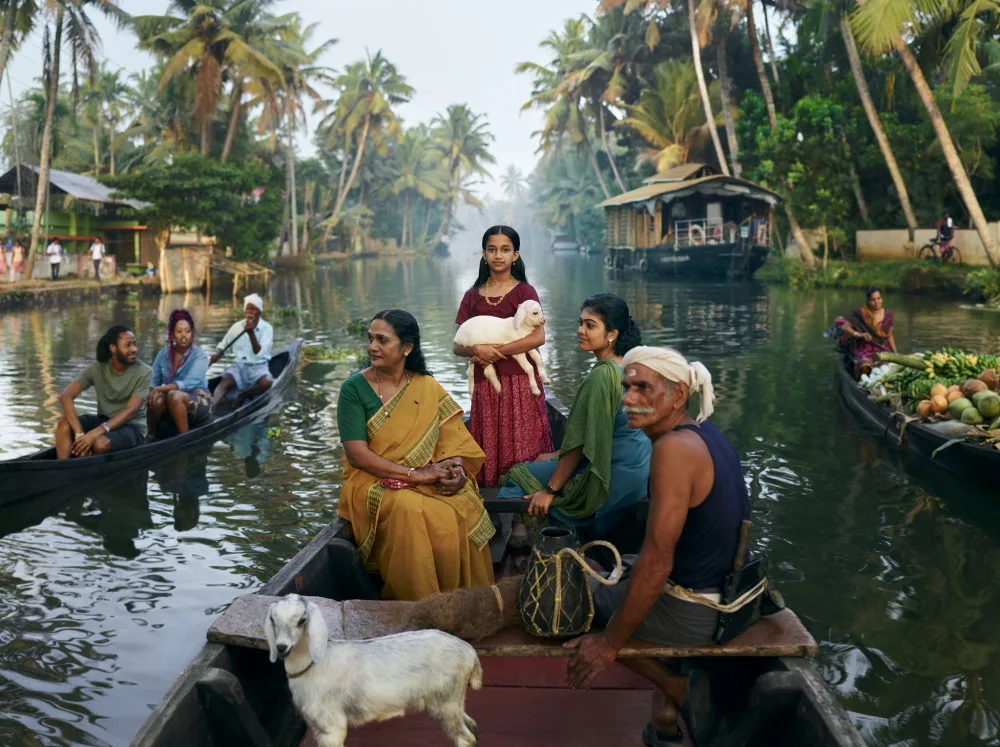
A representative image

A representative image

FacebookTwitterWhatsAppTelegramEmail

India has launched a revised National Biodiversity Strategy and Action Plan (NBSAP) to safeguard 30 per cent of the country’s terrestrial, freshwater, and marine ecosystems by 2030. Unveiled at the 16th United Nations Biodiversity Conference in Cali, Colombia, the NBSAP is part of India’s commitment to the Kunming-Montreal Global Biodiversity Framework (KM-GBF) and its 23 comprehensive targets, which serve as a national response to the 23 global biodiversity targets established during the 2022 UN Biodiversity Conference in Canada.

India’s updated biodiversity plan, structured around three core themes, seeks to address both the escalating threats to biodiversity and the sustainable needs of its communities. This approach underscores India’s focus on balancing conservation with socioeconomic needs, particularly for rural and indigenous populations.

1. Reducing threats to Biodiversity
The first theme of the NBSAP tackles major threats to biodiversity through eight specific targets aimed at reducing land and sea use changes, pollution, and unsustainable species exploitation. In addition, this theme seeks to address climate change impacts, control invasive species, and promote ecosystem restoration. The strategy emphasises conserving species diversity and enabling the sustainable use of wild species, aiming for a comprehensive approach to curtail biodiversity loss.

2. Meeting people’s needs through sustainable use and benefit-sharing
Comprising five targets, the second theme highlights the importance of sustainable management in sectors crucial to the livelihoods of millions of Indians, including agriculture, fisheries, forestry, and animal husbandry. These efforts are especially vital for farmers, herders, fishers, and indigenous communities. The targets under this theme also address ecosystem service management, equitable green space access, fair benefit-sharing, and bolstering public support for conservation.

3. Tools and solutions for implementation
The final theme focuses on practical implementation strategies to achieve the ambitious biodiversity targets. It includes ten targets centred on integrating biodiversity into development goals, promoting sustainable production and consumption, repurposing subsidies, reducing waste, fostering knowledge-sharing, and mobilising resources. The plan also stresses inclusive and fair planning processes, recognising the crucial role local communities play in conservation efforts.

Key conservation targets

Among the 23 national targets, two prominent objectives stand out:

-National Biodiversity Target 3: This target is focused on expanding Protected Areas and Other Effective Area-Based Conservation Measures (OECMs) to cover 30 per cent of India’s landscapes. This effort highlights the essential role of local communities in sustainable conservation practices.
– National Biodiversity Target 2: By 2030, India aims to restore 30 per cent of its degraded terrestrial, freshwater, coastal, and marine ecosystems, addressing the loss of ecosystem services caused by degradation over the years.

Further, Target 16 emphasises reducing overconsumption and waste, which are significant contributors to biodiversity decline, particularly in urban areas.

Background and global context

The revised NBSAP aligns with the Kunming-Montreal Global Biodiversity Framework’s objective to protect at least 30 per cent of the planet’s land and oceanic ecosystems by 2030. Additionally, it stresses the restoration of degraded ecosystems, including forests, rivers, and wetlands, to preserve essential resources such as clean water and air. Since independence, extensive ecosystem degradation driven by agricultural expansion, industrialisation, infrastructure development, mining, and urbanisation has strained India’s natural resources, underscoring the urgency of restoration efforts.

According to the revised action plan, India invested approximately Rs 32,200 crore in biodiversity conservation between 2017-2018 and 2021-2022, and projected annual spending through 2029-2030 is estimated to reach Rs 81,664.88 crore. This significant increase reflects India’s commitment to intensifying conservation efforts in the coming years.

India’s Mission LiFE initiative, launched in recent years, encourages citizens to adopt sustainable lifestyles. By aligning with the objectives of the Convention on Biological Diversity—first adopted in 1992, which mandates that member countries develop NBSAPs—India underscores its role in global conservation. The Convention also requires countries to submit progress reports every four years to assess their efforts in protecting biodiversity.

India’s updated strategy not only contributes to the global biodiversity goals but also reflects a national determination to reverse the alarming rates of biodiversity loss, ensuring that both natural ecosystems and the communities dependent on them can thrive for future generations.

Topics: Biodiversity planKunming-Montreal Global Biodiversity FrameworkAction planNBSAPsMission LiFE initiative
ShareTweetSendShareSend
✮ Subscribe Organiser YouTube Channel. ✮
✮ Join Organiser's WhatsApp channel for Nationalist views beyond the news. ✮
Previous News

Kerala: Know how Waqf board trapped 300 acres belonging to rich Muslim family

Next News

After Deepawali, honouring the healing wisdom of bhagwan Dhanvantari 

Related News

Representative image

India’s Biodiversity and Climate Commitment: A global model ignored

Load More

Comments

The comments posted here/below/in the given space are not on behalf of Organiser. The person posting the comment will be in sole ownership of its responsibility. According to the central government's IT rules, obscene or offensive statement made against a person, religion, community or nation is a punishable offense, and legal action would be taken against people who indulge in such activities.

Latest News

BJYM leader Shyamraj with Janaki

Kerala: Widow of BJP worker murdered in 1995 steps into electoral battle after three decades at Valancherry

Russian Sber bank has unveiled access to its retail investors to the Indian stock market by etching its mutual fund to Nifty50

Scripting economic bonhomie: Russian investors gain access to Indian stocks, Sber unveils Nifty50 pegged mutual funds

Petitioner S Vignesh Shishir speaking to the reporters about the Rahul Gandhi UK citizenship case outside the Raebareli court

Rahul Gandhi UK Citizenship Case: Congress supporters create ruckus in court; Foreign visit details shared with judge

(L) Kerala High Court (R) Bouncers in Trippoonithura temple

Kerala: HC slams CPM-controlled Kochi Devaswom Board for deploying bouncers for crowd management during festival

Fact Check: Rahul Gandhi false claim about govt blocking his meet with Russian President Putin exposed; MEA clears air

Union Minister for Road Transport and Highways Nitin Gadkari (Right)

India set for highway overhaul as Union Minister Nitin Gadkari unveils nationwide shift to MLFF electronic tolling

RSS Akhil Bharatiya Prachar Pramukh Shri Sunil Ambekar

When Narrative Wars result in bloodshed, countering them becomes imperative: Sunil Ambekar

Ministry of Civil Aviation mandates emergency action: IndiGo ordered to stabilise flight operations by midnight

Chhattisgarh CM Vishnu Deo Sai at Panchjanya Conclave, Nava Raipur, Image Courtesy - Chhattisgarh govt

Panchjanya Conclave: Chhattisgarh CM Sai shares views on development projects in Maoist hotbed, women empowerment

Union Finance Minister Nirmala Sitharaman

‘TMC is holding Bengal back’: Sitharaman slams Mamata govt over industrial & healthcare setbacks

Load More
  • Privacy
  • Terms
  • Cookie Policy
  • Refund and Cancellation
  • Delivery and Shipping

© Bharat Prakashan (Delhi) Limited.
Tech-enabled by Ananthapuri Technologies

  • Home
  • Search Organiser
  • Bharat
    • Assam
    • Bihar
    • Chhattisgarh
    • Jharkhand
    • Maharashtra
    • View All States
  • World
    • Asia
    • Africa
    • North America
    • South America
    • Europe
    • Australia
  • Editorial
  • Operation Sindoor
  • Opinion
  • Analysis
  • Defence
  • Culture
  • Sports
  • Business
  • RSS @ 100
  • Entertainment
  • More ..
    • Sci & Tech
    • Vocal4Local
    • Special Report
    • Education
    • Employment
    • Books
    • Interviews
    • Travel
    • Health
    • Politics
    • Law
    • Economy
    • Obituary
  • Subscribe Magazine
  • Read Ecopy
  • Advertise
  • Circulation
  • Careers
  • About Us
  • Contact Us
  • Policies & Terms
    • Privacy Policy
    • Cookie Policy
    • Refund and Cancellation
    • Terms of Use

© Bharat Prakashan (Delhi) Limited.
Tech-enabled by Ananthapuri Technologies








