





In a world of rising trends and technological advancements, there has been a growing adoption of a back-to-basics and back-to-our-roots approach. This growing inclination towards our rich, age-old practices in our daily lifestyles is accompanied by an economic model highlighting the success of the Swadeshi economy, which is now taking priority. The concept of ‘indigenous’ or Swadeshi practices and knowledge systems, native to our nation, is gaining prominence. In the context of Bharat, the Swadeshi movement stands as a prime example of this concept, emphasising self-reliance, the use of locally produced goods and creating a viable market that leads to stable revenue generation. This concept is not only about preserving cultural heritage but also about fostering sustainable economic growth and strengthening the nation’s economic foundation.
Reclaiming Bharat’s Legacy
As we take a step forward to achieve our shared vision of Viksit Bharat 2047, economically, socially and with all development indicators in an upward direction, it is essential to focus on the Swadeshi way of wealth creation. The indigenous model of wealth creation should be widely accepted and practised; this will be a sustainable model to follow. This approach must be made successful so that future generations can adopt it for the good of our nation.
Bharat is a nation with an age-old history of civilisation and rich resources. When we look at the glory of the past, Bharat accounted for 18 per cent of global GDP in 1850, we need to reclaim that legacy. This speaks of the times when there was no software or technology and our nation was a thriving economy.
Popularising Swadeshi Among Youth
Over time, we have witnessed the generations drift from their roots as they became engrossed in urban lifestyles and Westernisation. But at the same time, it is notable that our youngsters, represented by Gen Z, have been recognising the Swadeshi way of living and prioritising locally made tech, FMCG and personal care products over the past four-five years. There is a growing trend among younger consumers in Bharat to prefer locally made products, showing their love for the country and country-made goods. The reason for this is that Bharat has been able to produce consumables and goods on par with global standards, and the quality of products has raised the bar.
Meeting Global Standards
The 100 per cent Bharat-made brands are meeting new high global standards, be it automobiles, mobile phones, toys, FMCG or other products. The wellness industry has recognised Ayurveda as a significant contributor to the economy due to the demand it has created both domestically and internationally. Many international tourists visit our nation seeking Ayurvedic treatment as a part of the thriving medical tourism industry for their ailments.
The exports of essential goods and other supplies have reached new heights, and our dependence on imported goods has declined significantly. This is a clear indication of Bharat’s successful journey on the path of Aatmanirbharta, making our nation self-reliant within the country and on the global platform. The Government’s Make in Bharat initiative has set a new benchmark and has been a tremendous success to date.
Becoming Self Reliant During Crisis
We need to develop our capabilities to the next level where every individual is part of the wealth creation model, influencing society at large and creating a healthy environment for a wealthy society through community participation. Local communities and organisations can play a crucial role in raising awareness and acting as influencers to promote Government policies and programmes for the financial well-being of communities and their successful implementation. It is essential to identify every individual with a lower economic status to ensure they benefit from Government schemes and policies. This will ensure that people become wealth creators for themselves, society, and the country at large, contributing to a prosperous society.
The Open Network for Digital Commerce (ONDC) is one such initiative supported by our Government, designed to create a decentralised and open e-commerce landscape. This platform has enabled small businesses, local vendors, and consumers to connect directly across various digital interfaces, disrupting the monopoly of major e-commerce giants. By utilising advanced technology, ONDC has democratised online commerce, giving local businesses broader market access and enhancing their competitiveness. This initiative has boosted indigenous wealth creation by empowering small entrepreneurs, artisans, and traditional enterprises, thereby promoting a more inclusive and diverse digital economy and stimulating local economic growth.
With advancements, the embrace of technology, and exposure to global trends, the present generation is able to create successful business models in a shorter period with less effort compared to the environment that existed a decade ago. The avenues for exploring business opportunities have widened today. The leadership of Prime Minister Narendra Modi’s Government has played a crucial role in this regard. Many platforms offering knowledge sharing, training, and support have eased the process of becoming an entrepreneur. The number of startups today speaks volumes about people’s ventures into this ecosystem. Our ease of doing business has ensured fewer compliances and single window systems, further making the business environment more conducive.
The Government, under the visionary leadership of our Prime Minister, has introduced numerous programmes and initiatives aimed at community empowerment. These efforts have significantly elevated the economy for individuals and positively impacted crores of lives. According to the NITI Aayog report, 25 crore people have risen out of poverty in the past decade, reflecting the changing lives, improved economy and increased purchasing power capacity of our nation. Through initiatives like creating Lakhpati Didis and empowering them to become Drone Didis, the Government has ensured that our women lead the way in financial independence. Similarly, the youth, as the true wealth of the nation, have been significantly contributing to the economy through their innovations, embracing technology and launching startups.
Empowering Tribals
The Prime Minister’s ambitious ‘Van Dhan Yojana’ is a significant initiative aimed at empowering the tribal communities of our country and improving their livelihoods in every aspect of life. The scheme promotes indigenous resources for the benefit of the community and enhances the income of tribals by transforming them into entrepreneurs through the establishment of Van Dhan Vikas Kendras (VDVKs). By leveraging local resources and traditional knowledge, the Van Dhan Yojana is creating sustainable livelihood opportunities and fostering economic growth among tribal populations. This is the best example of the Government’s efforts in promoting indigenous resources and empowering deprived communities.
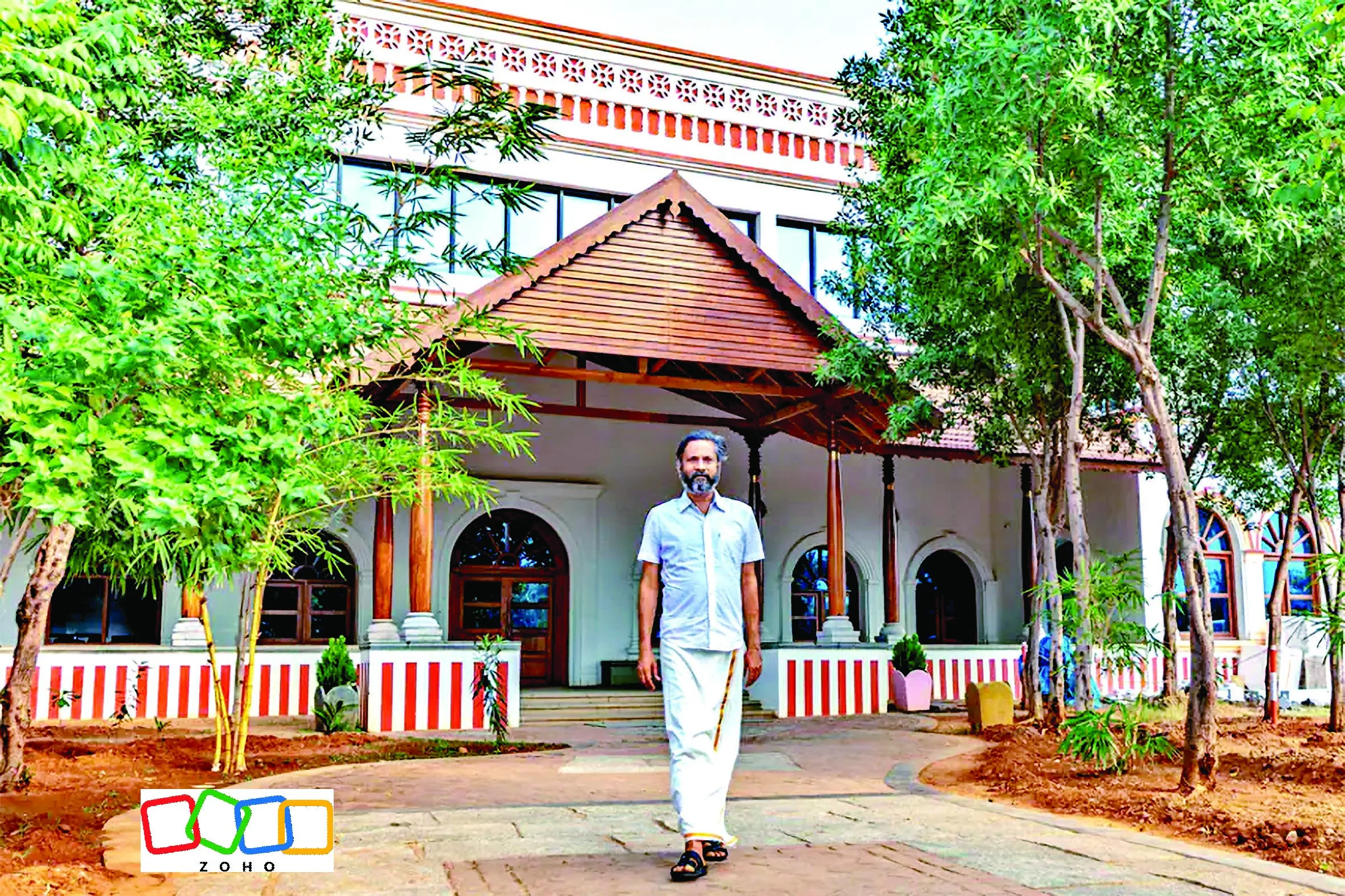
multi-billion-dollar software company, Zoho Corporation, in the scenic village of Tenkasi in Tamil Nadu
The natural growth trajectory alone cannot restore the economic legacy we once had. To achieve this, we must work on multiple levels of transition. Creating and adopting successful indigenous models for wealth generation can complement our efforts and provide a strong foundation for our future economy in this endeavour. For this to be realised, we need to work on actionable steps. It is the role of our society as a whole, represented by citizens, private sectors, civil society, and the Government to make this possible. A Bharat-specific approach, with consideration of regional variations in resources and utilisation to their full potential for maximising revenue generation, while maintaining a balance between supply and demand to meet state-specific aspirations, is essential.
Sharing Tech with Villagers
One exemplary Bharatiya entrepreneur is Sridhar Vembu, who established his multi-billion-dollar software company, Zoho Corporation, in the scenic village of Tenkasi in Tamil Nadu. This initiative has supported local employment by providing capacity-building training and opportunities to the local talent pool and bringing technology to rural areas. Many entrepreneurs are following his lead by either starting or successfully replicating similar village corporate models. This trend highlights how individuals are turning towards rural areas, fostering rural talent, retaining the talent pool within our country, and creating successful revenue models.
The rural economy can drive wealth creation while bridging the gap between urban and rural areas through employment generation and self-employment models. Bharat has long been recognised as an agriculture-based economy, with farmers serving as its backbone. The government has made significant efforts to support and encourage an ecosystem conducive to rural economic development. It is essential to stress the need to create Indigenous models of wealth creation and successfully implement policies and programmes that aid in wealth creation. There is a need to think innovatively and out of the box, and youth must be given opportunities with ‘Earn while you learn’ concepts. This will enhance the balanced growth of skills, knowledge, and economic stability.
Game changing Initiatives
Our Government’s initiatives like ‘Vocal for Local’ and ‘One District One Product’ have been game-changers in recognising previously unrecognised segments in local handicrafts and products, promoting indigenous economic models from these areas, and honouring artisans’ contributions. By focusing on local successes and expanding them onto global platforms, we can ensure these initiatives thrive through a Swadeshi lens that preserves our cultural heritage while promoting it forward. One good example of a successful indigenous enterprise is Khadi, which proved to be one of the highest revenue generating enterprises in recent times in Bharat. Citizens are the ultimate choice makers for their lifestyles, and we need to support the ‘Desi’ products and enterprises.
As we are aware, COVID-19 pandemic led many from urban areas to migrate towards a farmhouse living concept, creating self-sustainable models around them as traditional business routines were disrupted. The crisis opened doors for finding opportunities in challenges, and we succeeded. Both Government actions and community resilience have shown that Bharat is prepared for unexpected global crises. While we cannot predict every uncertainty, such as potential pandemics or global conflicts, we need to march forward boldly, creating pathways to success for future generations with a stronger foundation.
There is a need for sustainable, value-based business models that highlight our hidden strengths and add value to our geographical and natural surroundings while maximising rural potential and retaining our local talent within our nation, thus creating employment opportunities. We must move beyond measuring business success solely by numerical metrics like franchise counts or revenue figures.
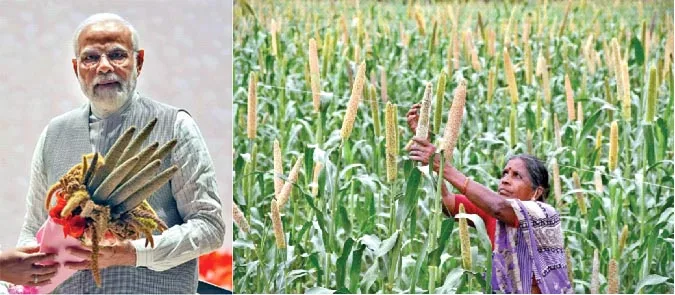
The Government and farmers promoting millet as a popular and healthy food, both locally and globally, is an example of celebrating Bharat’s diversity while making it a successful and sustainable business venture within the country and worldwide. We need to strongly adopt such economic models that contribute to the larger economy of the nation in the long run and stabilise the financial capacity of the people.
The Central Government policies and various schemes have been supporting people on their journey to becoming successful entrepreneurs by providing subsidies, training, and awareness programmes and creating a market for their goods and services.
It is also the mindset of the citizens that can determine the success or failure of wealth creation models. If we succumb to the freebie culture promoted by some State Governments and make ourselves lazy, seeking an easy life without hard work and revenue generation, then we are in trouble. There needs to be an end to this freebie culture in our nation, as it will save the States from the debt trap they are falling into. Instead, we should adopt a self-reliant economic model and create an environment for ourselves to be financially independent. This way we can address unemployment and eradicate the financial challenges of our citizens.
Eliminating Corruption
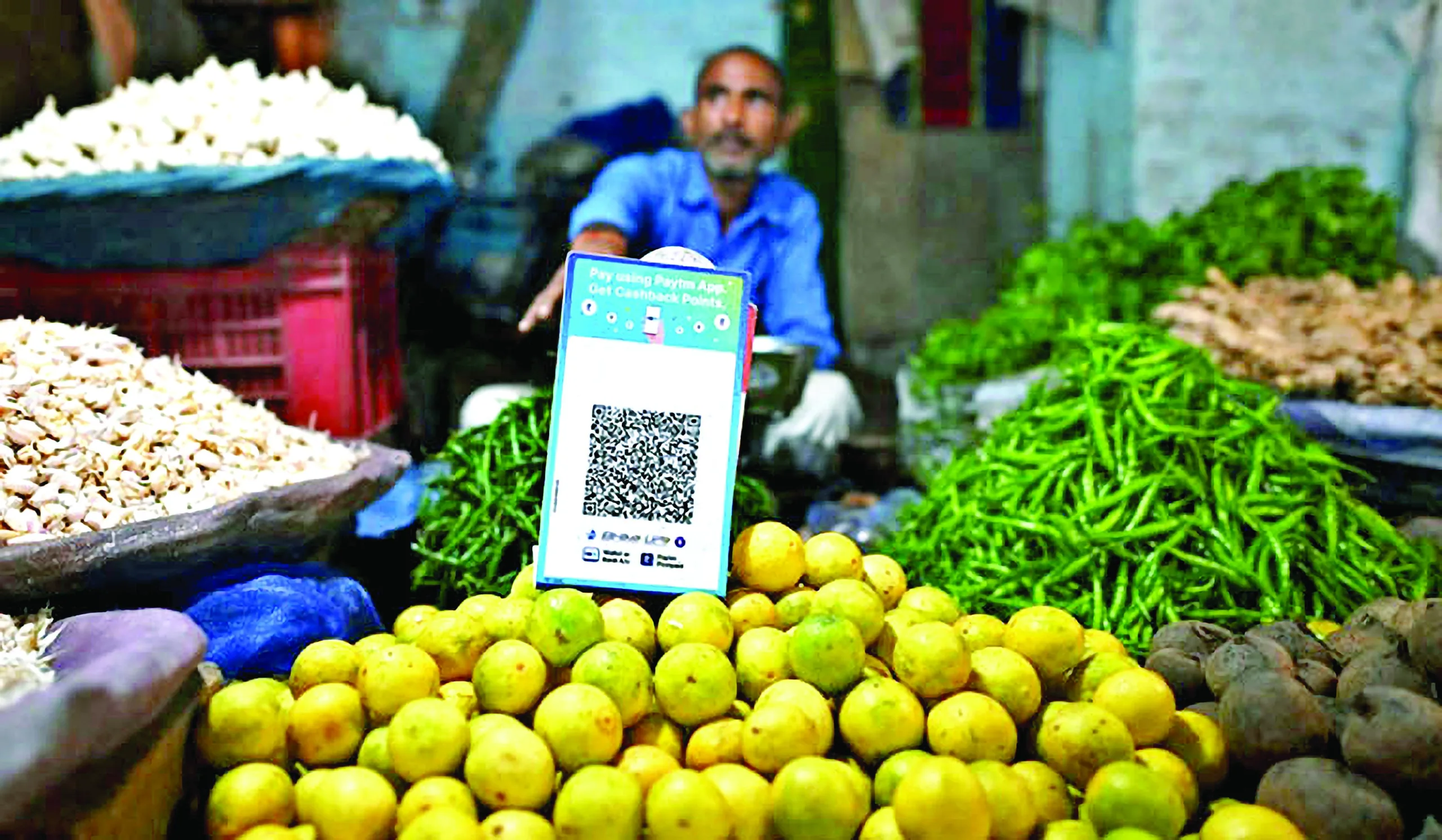
The Government, under Prime Minister Narendra Modi, has ensured transparency and worked to eradicate corruption by revolutionising digital payments. This has brought financial discipline, prevented money from exchanging hands with the corrupt and saved the common people from financial leakages. We must introspect on many burning questions that haunt us. As we ponder these thoughts, several questions arise, can our generation be the torchbearer of a corruption-free society? Can we create wealth without greed and honour righteousness in our practices?
Embracing Indigenous Business
With changing times, we need to adopt a vision that brings out the best of our strengths and resources. A collective approach from society and the right mindset to drive our economy with consciousness is essential. Embracing and promoting indigenous business and wealth models need to be a movement by the people and for the welfare of the people. This can only be successful if we drive it with our concerted and conscious efforts.
Modi Govt has ensured transparency by revolutionising digital payments. This has brought financial discipline, prevented money from exchanging hands with the corrupt and saved the common people from financial leakages
As we celebrate the festival of lights this season, let’s pledge to support local artisans and products in our neighbourhoods. By extending this practice across regions and during all festivals and occasions, we can strengthen our local economy and elevate the financial status of our fellow Bharatiyas. Let’s make a conscious effort to honour our heritage and contribute to the prosperity of our communities and nation.














Comments