





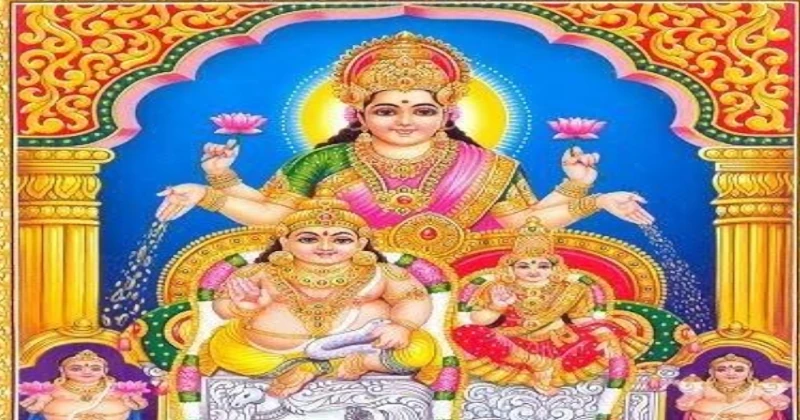
The festival of Dhanteras, known traditionally as Dhanatrayodashi, marks the beginning of Deepawali celebrations in most parts of India, bringing with it themes of health, wealth, and prosperity. In 2024, Dhanteras falls on October 29, as per the Hindu lunar calendar, on the thirteenth day of Krishna Paksha in the month of Kartik. Rooted in ancient Indian mythology and traditions, the festival is more than a day for material purchases; it serves as a reminder of the richness of health, inner growth, and familial bonds.
Origins of Dhanteras
The essence of Dhanteras lies in two divine figures: Ma Lakshmi and Bhagwan Dhanvantari. The history of Dhanteras is traced back to the cosmic event of Samudra Manthan, the churning of the ocean, conducted by the Devas (gods) and Asuras (demons). With the goal of retrieving the nectar of immortality (amrita), the churning brought forth various treasures, including Ma Lakshmi, the deity of wealth and prosperity, and Bhagwan Dhanvantari, the god of health and Ayurveda, holding the pot of amrita.
Bhagwan Dhanvantari, a divine incarnation of Bhagwan Vishnu, symbolises health and wellness, linking Dhanteras not only to material wealth but to the richness of well-being. His appearance during the Samudra Manthan established the foundations of Ayurveda, India’s ancient system of medicine, celebrated on Dhanteras as National Ayurveda Day. This alignment highlights the core belief that prosperity is not complete without health, making Dhanteras a day to honor both Lakshmi’s blessings of wealth and Dhanvantari’s blessings of good health.
The story of King Hima: Protection against misfortune
A lesser-known story of King Hima’s son adds another layer of protection and family to Dhanteras. According to legend, King Hima’s son was prophesied to die from a snakebite on the fourth day after his marriage. His wife, determined to protect her husband, kept him awake on that night by lighting lamps and arranging her jewelry around the room. She sang songs and recited stories, distracting him and keeping his spirits high. When Yama, the god of death, approached in the form of a snake, he was mesmerised by the glow and sparkle of the jewels and lamps, which prevented him from entering the room.
By morning, Yama left, sparing the prince’s life. In honor of this tale, the lighting of diyas on Dhanteras has come to symbolise the warding off of misfortune, with 13 diyas specifically lit in reverence to Yama.
This ritual is carried out to protect family members from untimely misfortune and to honor Yama’s role in the cycle of life. This tradition of diya lighting ties back to the tale of King Hima’s son, symbolising a protective light against darkness.
Thirteen earthen lamps filled with sesame oil (til ka tel) should be placed outside the house, facing south—the direction associated with Bhagwan Yama. Traditionally, lamps are never positioned facing south, but on this day, this exception is made in honour of Yama, the diety of Death. Reciting the following mantra, a person offers respectful homage to Bhagwan Yama, seeking
His protection and blessings:
Mantra:
त्युना दण्डपाशाभयाां कालेन श्यामया सह।
त्रयोदश्याां दीपदाना सूययजः प्रीयताां मम॥
(Tyuna Dandpashabhayam Kaalen Shyaamaya Saha
Trayodashyaam Deepdana Sooyajah Preeyataam Mama)
Translation:
“I dedicate these thirteen lamps to the son of Surya, Bhagwan Yama, praying that He frees me from the bonds of mortality and grants His divine blessings.”
Rituals of Dhanteras: Lakshmi Pujan and Kuber Pujan
Dhanteras, the gateway to Deepawali, is steeped in rituals meant to invite prosperity and dispel negativity. Families begin the day by cleaning their homes to prepare for the arrival of Ma Lakshmi. Rangolis are meticulously crafted using vibrant colors, and rice flour is often used to create tiny footprints, representing Lakshmi’s arrival.
The evening of Dhanteras is dedicated to Lakshmi Puja. Families gather to offer sweets and flowers, and they light oil lamps to welcome Ma Lakshmi’s blessings. Prayers are also offered to Bhagwan Kuber, the treasurer of the world, who is honoured for his role in managing the wealth of the cosmos. This dual worship invokes the prosperity of Ma Lakshmi and the abundance that Kuber symbolises, creating a harmonious appeal for wealth and protection.
Reciting the Dhanvantari Mantra
The mantra associated with Bhagwan Dhanvantari is chanted on Dhanteras to invite good health and remove obstacles:
“Om Namo Bhagavate Vasudevaya Dhanvantaraye; Amrita Kalasha Hastaaya Sarva Bhaya Vinasaya Sarva Roka Nivaranaya Tri Lokya Pathaye Tri Lokya Nithaye Sri Maha Vishnu Swarupa Sri Dhanvantri Swarupa Sri Sri Sri Aoushata Chakra Narayana Swaha.”
The chanting of this mantra honors Dhanvantari and seeks his blessings for physical and spiritual health, reinforcing the festival’s theme of holistic wellness.
The tradition of shopping on Dhanteras
Dhanteras is traditionally regarded as an auspicious time for purchasing valuable items, especially gold, silver, and domestic goods. The act of buying these precious metals is symbolic of inviting wealth and good fortune into the home for the coming year. Many families also purchase new kitchenware or household appliances, emphasising the idea of beginning anew with prosperity.
This custom traces back to the belief that any purchase made on Dhanteras brings auspicious fortune, as it is considered favorable to welcome new items into the household. Modern celebrations see families investing in jewelry, utensils, and other essentials, marking Dhanteras as one of the most commercially active days of the year.
Celebrating National Ayurveda Day on Dhanteras: Honouring Health
An essential dimension of Dhanteras is the celebration of health. National Ayurveda Day, observed alongside Dhanteras, is a reminder of the importance of Ayurveda, with Bhagwan Dhanvantari as the divine physician and founder of this ancient science. This celebration highlights Ayurveda’s principles of balance and holistic health, advocating for practices that bring harmony to mind, body, and spirit. On this day, people incorporate Ayurvedic principles into their routines, such as using herbal remedies, practicing yoga, and meditating, to cultivate long-term health.
Spiritual Significance
Dhanteras is not solely focused on material riches. It offers an invitation to reflect on spiritual prosperity. Families and individuals alike are encouraged to meditate, practice yoga, and engage in religious sadhanas, fostering a sense of inner fulfillment and peace. The Sacred Hrit Padma Chakra, or heart chakra, is often invoked on this day, as it is believed that Ma Lakshmi bestows inner wealth, opening up the path to self-realisation and contentment. As people engage in these practices, they align their spiritual and material lives, inviting a balance that enriches both realms.
Dhanteras embodies a holistic approach to prosperity, merging the desires for material and spiritual fulfillment. This celebration sets the tone for the Deepawali season, inviting us to embrace both the external and internal aspects of wealth.
















Comments