Researchers discover new way inflammation impacts cell communication
June 25, 2026
  • Read Ecopy
  • Circulation
  • Advertise
  • Careers
  • About Us
  • Contact Us
Android AppiPhone AppArattai
Organiser
  • ‌
  • Bharat
    • Assam
    • Bihar
    • Chhattisgarh
    • Jharkhand
    • Maharashtra
    • View All States
  • World
    • Asia
    • Europe
    • North America
    • South America
    • Africa
    • Australia
  • Editorial
  • International
  • Opinion
  • RSS @ 100
  • More
    • Op Sindoor
    • Analysis
    • Sports
    • Defence
    • Politics
    • Business
    • Economy
    • Culture
    • Special Report
    • Sci & Tech
    • Entertainment
    • G20
    • Azadi Ka Amrit Mahotsav
    • Vocal4Local
    • Web Stories
    • Education
    • Employment
    • Books
    • Interviews
    • Travel
    • Law
    • Health
    • Obituary
  • Subscribe
    • Subscribe Print Edition
    • Subscribe Ecopy
    • Read Ecopy
  • ‌
  • Bharat
    • Assam
    • Bihar
    • Chhattisgarh
    • Jharkhand
    • Maharashtra
    • View All States
  • World
    • Asia
    • Europe
    • North America
    • South America
    • Africa
    • Australia
  • Editorial
  • International
  • Opinion
  • RSS @ 100
  • More
    • Op Sindoor
    • Analysis
    • Sports
    • Defence
    • Politics
    • Business
    • Economy
    • Culture
    • Special Report
    • Sci & Tech
    • Entertainment
    • G20
    • Azadi Ka Amrit Mahotsav
    • Vocal4Local
    • Web Stories
    • Education
    • Employment
    • Books
    • Interviews
    • Travel
    • Law
    • Health
    • Obituary
  • Subscribe
    • Subscribe Print Edition
    • Subscribe Ecopy
    • Read Ecopy
Organiser
  • Home
  • Bharat
  • World
  • Operation Sindoor
  • Editorial
  • Analysis
  • Opinion
  • Culture
  • Defence
  • International Edition
  • RSS @ 100
  • Magazine
  • Read Ecopy
Home World

Researchers discover new way inflammation impacts cell communication

Researchers have unveiled a novel mechanism by which inflammation disrupts cellular communication, shedding light on previously unknown aspects of how chronic inflammation affects cell interactions

WEBDESKWEBDESK
Aug 18, 2024, 11:00 pm IST
in World, Health
Follow on Google News
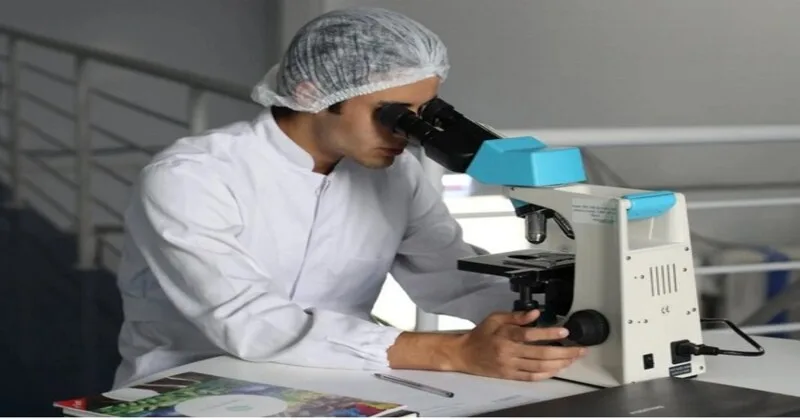
Representative image

Representative image

FacebookTwitterWhatsAppTelegramEmail

Researchers have made great strides in understanding how cells interact during inflammation. The study, just published in PNAS, was undertaken over a five-year period and focused on the chemicals that allow cells to function during inflammation, particularly in the central nervous system, where disorders such as multiple sclerosis develop.

The research was done by Indiana University School of Medicine. “Communication is key in any relationship, even at the level of cells that cause disease,” said Mark Kaplan, PhD, chair of the Department of Microbiology and Immunology at the IU School of Medicine and senior author of the study. “The molecules that allow cells to function in inflammation are essentially text messages sent between or within cells.

We have been studying what cells get those text messages and how they respond in an inflammatory environment in the central nervous system that leads to diseases like multiple sclerosis.”

The signalling molecule is called STAT4 and was previously believed to primarily function in T cells, which are part of the immune system. However, the team found it plays a crucial role in dendritic cells, a specific cell type that responds to extracellular text messages IL-12 and IL-23.

“Our work identified how STAT4 might be a viable target for treating inflammatory disease in the central nervous system,” Kaplan said. “By understanding the communication between cells and the role of STAT4, we can potentially develop therapeutics to modify immune responses and alleviate the symptoms of diseases like multiple sclerosis.”

The lead author of the study, Nada Alakhras, PhD, is a recent IU School of Medicine graduate who now works at Eli Lilly and Company. Other authors include Wenwu Zhang, Nicolas Barros, James Ropa, Raj Priya and Frank Yang, all from IU. and Anchal Sharma of Eli Lilly and Company.

(with inputs from ANI)


Topics: Nervous systemMicrobiologyImmunologyInflammatory disease
ShareTweetSendShareSend
✮ Subscribe Organiser YouTube Channel. ✮
✮ Join Organiser's WhatsApp channel for Nationalist views beyond the news. ✮
Previous News

‘Deconstruction’ means the destruction of the Hindu epics

Next News

Raksha Bandhan: Through rituals and ancient hindu scriptures

Related News

Representative Image

How Ayurveda strengthens nervous system immunity: A comprehensive health solution

Study discovers cells linking chronic psychological stress to inflammatory bowel disease

Load More

Latest News

Andhra Pradesh Chief Minister N. Chandrababu Naidu inaugurates the Jonnagiri Gold Mining Project in Kurnool district

Andhra Pradesh: CM Chandrababu Naidu lunches first major gold mining project in Kurnool district

AI-generated image for representation

Tamil Nadu: School teacher faces action over alleged humiliation of menstruating student

Cochin Shipyard (File Photo)

Keralam: ‘I Love Pakistan’ inscription found inside vessel at Cochin Shipyard; Central agencies launch probe

BJP national spokesperson Pradeep Bhandari

Karnataka: BJP accuses Kharge family of illegally acquiring government land worth over Rs 100 crore

Elomi Global Worship Centre in Omalloor, Pathanamthitta district ; Pastor Binu Vazhakkuttom (Left to Right)

Keralam: Child abuse allegations at Pentecostal worship centre in Pathanamthitta; locals demand Pastor Binu’s arrest

Modi Govt’s Tourism Revolution: 183 projects, Rs 9,225 crore investment & rise of India’s cultural & spiritual circuits

Padma Awards 2026: Tamil Nadu’s distinguished achievers receive national honours

India’s history is not merely a tale of foreign domination but also a remarkable story of resilience, resistance & civilisational continuity

Indian History: Not just foreign rule, but a timeless story of resistance, self-respect and civilisational resilience

From $10 Billion to $190 Billion: Indian Bioeconomy Touches New Heights in 12 Years

From $10 Billion to $190 Billion: India’s Bioeconomy leads a 12-Year science revolution

Nagpur | Acceptance of Bharatiya civilisational values is steadily increasing worldwide: Shanta Kumari

Load More
  • Privacy
  • Terms
  • Cookie Policy
  • Refund and Cancellation
  • Delivery and Shipping

© Bharat Prakashan (Delhi) Limited.
Tech-enabled by Ananthapuri Technologies

  • Home
  • Search Organiser
  • Bharat
    • Assam
    • Bihar
    • Chhattisgarh
    • Jharkhand
    • Maharashtra
    • View All States
  • World
    • Asia
    • Africa
    • North America
    • South America
    • Europe
    • Australia
  • Editorial
  • Operation Sindoor
  • Opinion
  • Analysis
  • Defence
  • Culture
  • Sports
  • Business
  • RSS @ 100
  • Entertainment
  • More ..
    • Sci & Tech
    • Vocal4Local
    • Special Report
    • Education
    • Employment
    • Books
    • Interviews
    • Travel
    • Health
    • Politics
    • Law
    • Economy
    • Obituary
  • Subscribe Magazine
  • Read Ecopy
  • Advertise
  • Circulation
  • Careers
  • About Us
  • Contact Us
  • Policies & Terms
    • Privacy Policy
    • Cookie Policy
    • Refund and Cancellation
    • Terms of Use

© Bharat Prakashan (Delhi) Limited.
Tech-enabled by Ananthapuri Technologies