





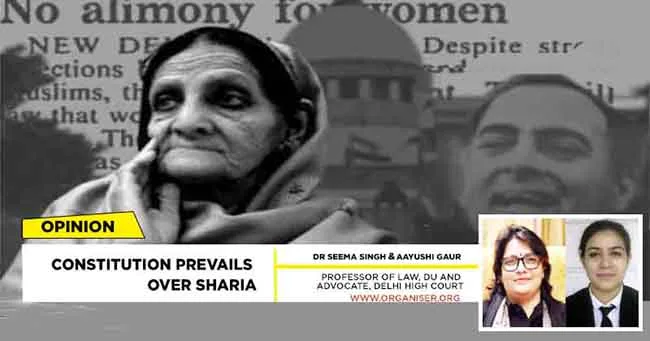
In the recent Lok Sabha elections, the Congress-led alliance effectively countered Modi’s Abki Baar 400 Paar slogan with their own slogan, Samvidhan Khatre Mein Hai. Although it was perceived as a hoax, this slogan managed to cause significant damage. Now, the stance of Congress and its allies on the recent Supreme Court judgement regarding the maintenance of Muslim women will be a crucial test for them.
Empowering Muslim Women
Over the past 75 years, there have been numerous instances where Congress and the Left have been questioned regarding their stand on supporting the implementation of different constitutional principles. One of the most contentious issues is their stance on the Uniform Civil Code (UCC), which is a constitutional mandate.
The issue has been revived following the recent judgement by the Supreme Court of India in the case of Mohd Abdul Samad vs the State of Telangana. This ruling reaffirmed the fundamental principles of Equality before the Law and Equal Protection of Law. The Court declared that Muslim women can seek maintenance from their husbands under Section 125 of the Cr.P.C. This decision resonates with the landmark Shah Bano Begum case, bringing its significance back into public memory.
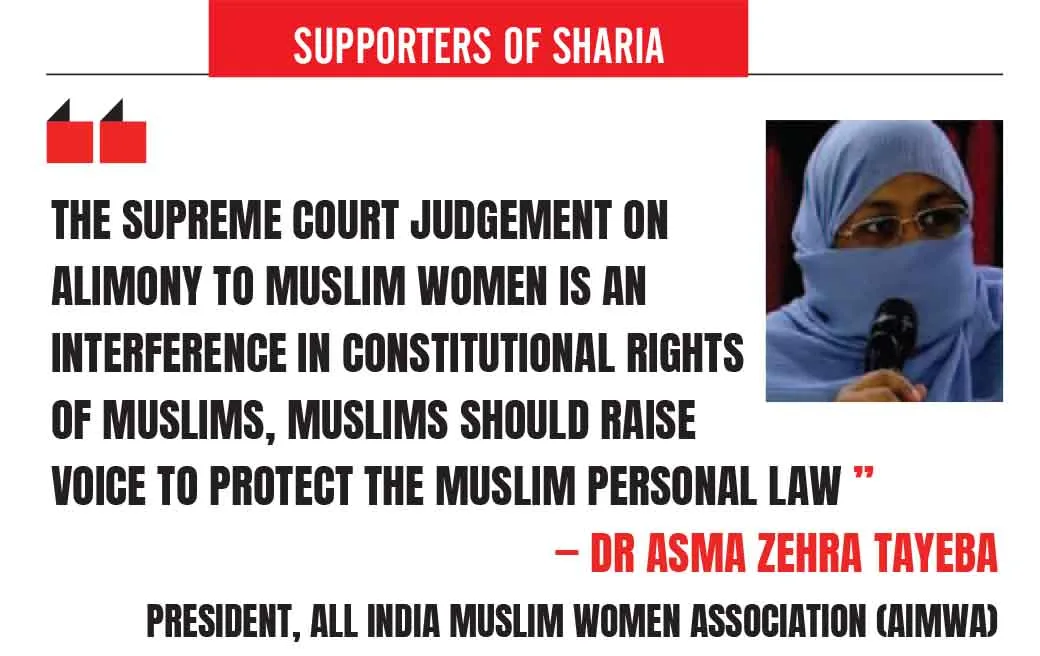
The recent verdict has underscored the divide between progressive and orthodox Muslim organisations, as well as highlighted political ambiguities. Zakia Soman, a women’s rights activist and co-founder of the Bharatiya Muslim Mahila Andolan, praised the judgement as progressive. She expressed hope that it will advance equal legal rights for Muslim women within marriage and family. In contrast, the All India Muslim Personal Law Board (AIMPLB) argued that the Supreme Court’s decision on maintenance for Muslim women contravenes Islamic law. They have authorised their president to explore all possible measures to overturn this ruling and have also decided to challenge the Uttarakhand Uniform Civil Code in the State’s High Court.
Inexplicable Silence of Opposition
On this important issue, which directly concerns the rights of Muslim women and the protection of secularism, the silence of Congress and the Left raises several questions. It also casts doubt on their self-proclaimed image as the saviours of the Constitution.
The maintenance of Muslim women under Muslim Personal Law has long been a controversial issue. In Islam, it is governed by the principles and provisions outlined in Islamic law, particularly in the Quran and the Hadiths. It is the husband’s responsibility to provide maintenance for his wife, which includes ensuring her food, clothing, shelter, and other necessities according to his means and social status. The wife is entitled to a reasonable standard of living, and the amount of maintenance should be determined based on the husband’s financial capacity.
After divorce, the husband’s obligation to provide maintenance to his ex-wife continues for a specific period known as the ‘Iddat’ period. During this waiting period, the wife is entitled to maintenance. The duration of the Iddat period depends on various factors, such as whether the divorce is revocable or irrevocable and whether the wife is pregnant.
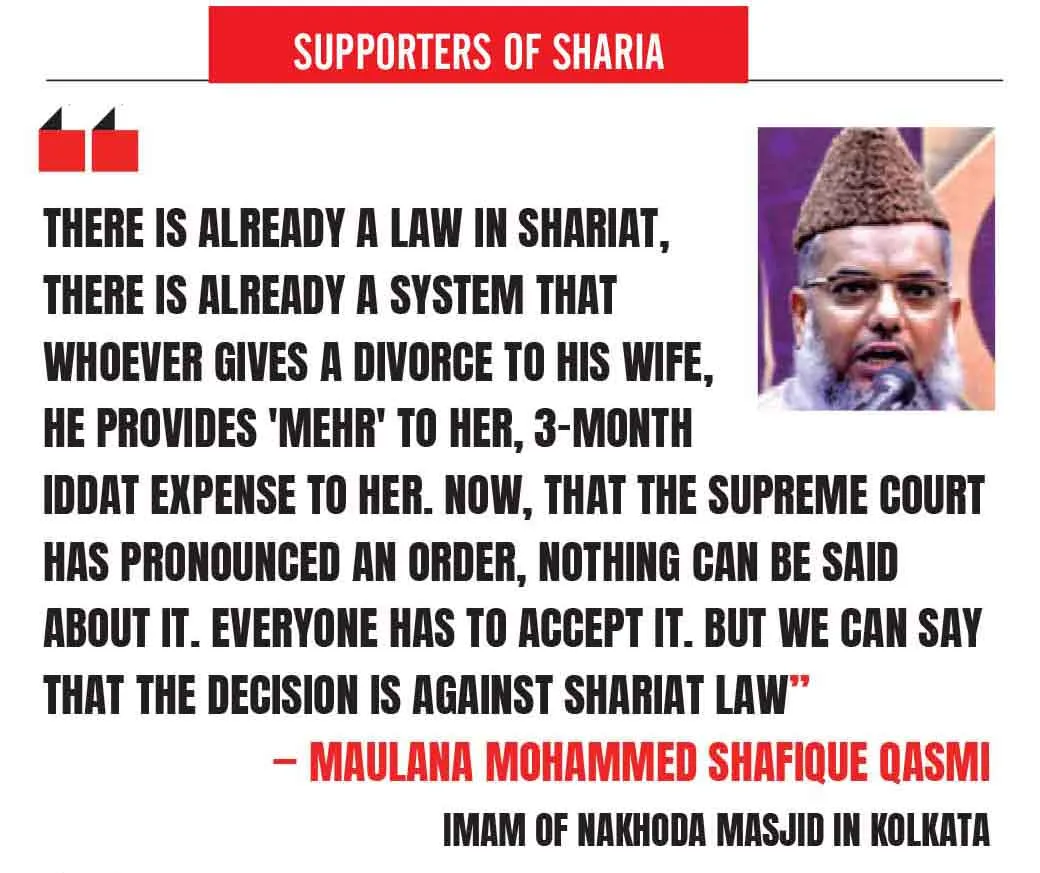
The issue of maintenance for Muslim women post-Iddat remains contentious. In numerous judgements, the Supreme Court has emphasised the need to provide Muslim women with equal protection under the law, similar to women of other religions. Indian courts have also recognised the necessity of a Uniform Civil Code through various landmark cases, from Shah Bano to Shayara Bano.
Chief Justice YV Chandrachud, in the Shah Bano case, stated that Parliament should establish a single civil code, as it promotes national peace and Equality before the Law. The Supreme Court held that the protection under Section 125 of the Cr.P.C. should equally apply to Muslim women. However, in 1986, the Rajiv Gandhi Government, under pressure from Islamic extremists, passed the Muslim Women’s Protection of Rights on Divorce Act to nullify this judgement. This move was seen as a surrender of the Government to extremists and a concession of the Constitution to Muslim Personal Law. The Act was perceived as an eyewash since both Section 3(1)(a) of the Muslim Women (Protection of Rights on Divorce) Act, 1986, and Section 125 of the Criminal Procedure Code, 1973, address the provision of maintenance for women after divorce, but with significant differences between them.
Section 3(1)(a) of the Muslim Women (Protection of Rights on Divorce) Act, 1986, provides for a reasonable and fair provision for maintenance within the iddat period after divorce. This provision is based on the principle of providing immediate and temporary maintenance to the divorced Muslim woman. On the other hand, Section 125 of the Criminal Procedure Code, 1973, provides for the payment of regular monthly maintenance to a woman, including a divorced woman, who is unable to maintain herself.
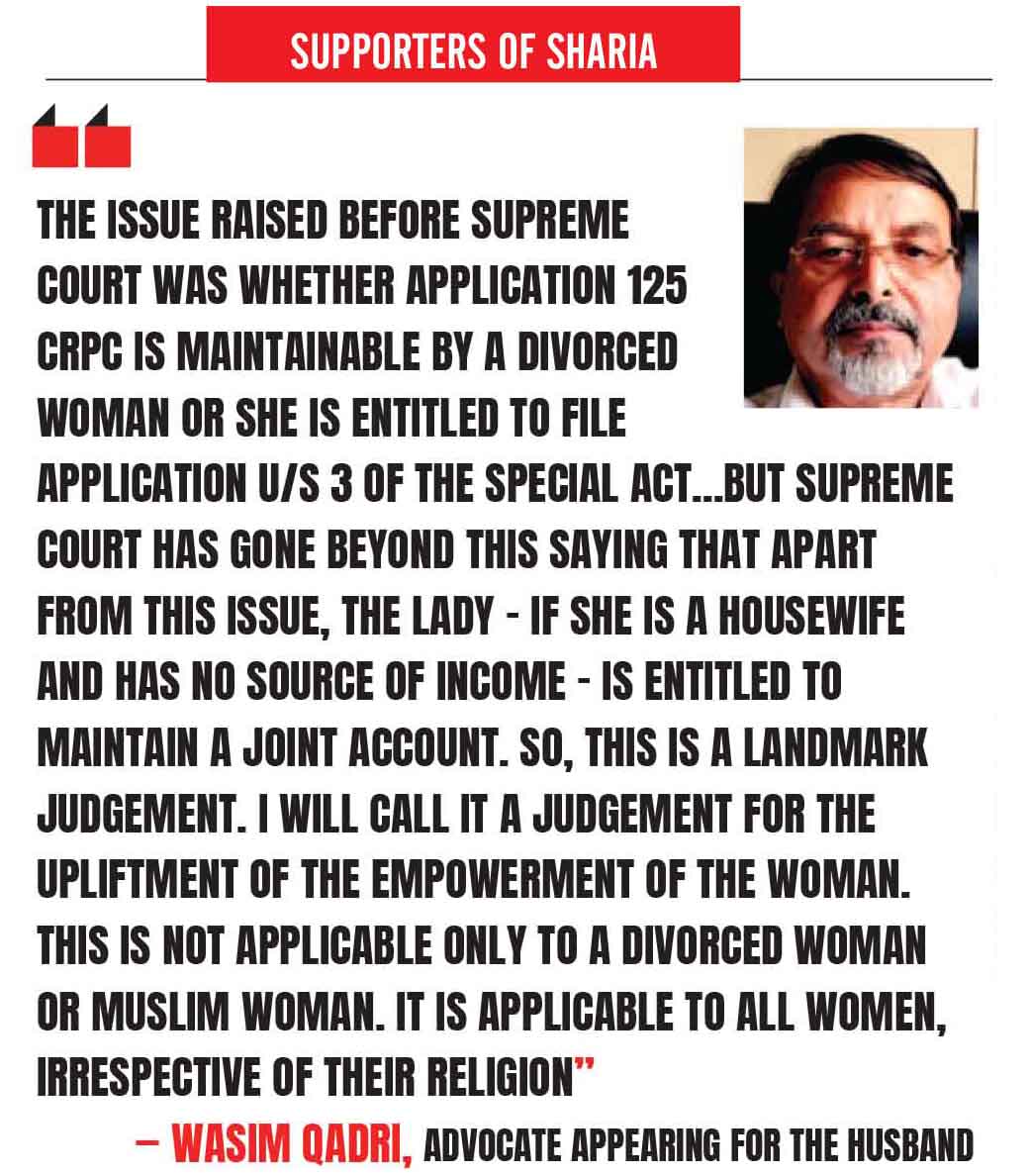
The Muslim Women (Protection of Rights on Divorce) Act, 1986, aligns with Sharia law and therefore has not faced criticism from the community, unlike the application of Section 125 of the Cr.P.C., which has often been criticised as interference in Muslim personal law. This raised a significant question for the then Congress Government: whether the Constitution is supreme in India or if discriminatory personal laws take precedence.
The recent verdict in Mohd Abdul Samad vs the State of Telangana, delivered by the Supreme Court on July 10 2024, is posing the same question to the different political leaders who consider themselves as champions of constitutional values. The bench, comprising Justice BV Nagarathna and Justice Augustine George Masih, issued a landmark judgement reaffirming the principles laid out in the Shah Bano case. The Court emphasised that Section 125 of the Cr.P.C. is a secular provision applicable universally, independent of personal laws.
The Court also clarified that Muslim women are entitled to maintenance under Section 125 of the Cr.P.C., alongside the provisions of the Muslim Women (Protection of Rights on Divorce) Act, 2019. This reaffirms the supremacy of the Constitution over personal laws, emphasising gender justice in India. It underscores the judicial duty to interpret and uphold constitutional values enshrined in Articles 14, 19, and 21.
It is concerning that even after the inception of the Indian Constitution, there are calls from certain communities advocating for the supremacy of personal laws over the spirit of the Constitution. Rather than facing backlash, these calls often receive support from self-proclaimed secular parties. Selective adoption of laws should not be a matter of choice for any religious community or political party alike.
AIMPLB calls it is against islam
The All India Muslim Personal Law Board (AIMPLB) said on July 14 that it is exploring all possible measures to get the Supreme Court to “roll back” its ruling on alimony to divorced Muslim women as it is “against” Islamic law.
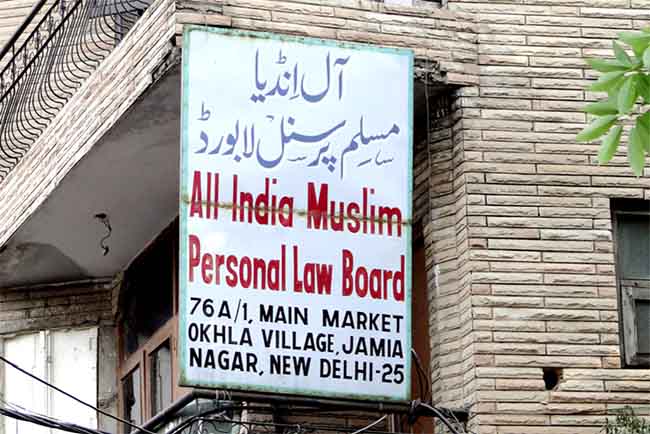
“The Board emphasised that the Holy Prophet had mentioned that amongst all permissible deeds the most abhorred is divorce in the sight of Allah, hence it is desirable to continue the marriage by applying all permissible measures to safeguard it and follow several guidelines mentioned in Holy Quran about it. However, if married life becomes difficult to maintain, then divorce was prescribed as a solution to mankind,” the resolution read. “The board observed that this judgment will create further problems to women who have successfully come out of their painful relationship,” it added.
If codification of Personal Laws was beneficial for Hindus, why are these political parties opposing the same for Muslims? Such selective treatment and appeasement not only undermine constitutional authority but also threaten the existing system by potentially compromising the fundamental structure of the Constitution.
Equality Before the Law and Equal Protection of the Law are constitutional mandates that must not be compromised in favour of personal laws. The protest against this judgement by AIMPLB reflects a divisive stance where one community prioritises its religious identity over constitutional morality, national unity, and the constitutional mandate of Article 44. The opposition of the Congress and Left to the Uniform Civil Code (UCC) is bolstering these Islamic forces further.
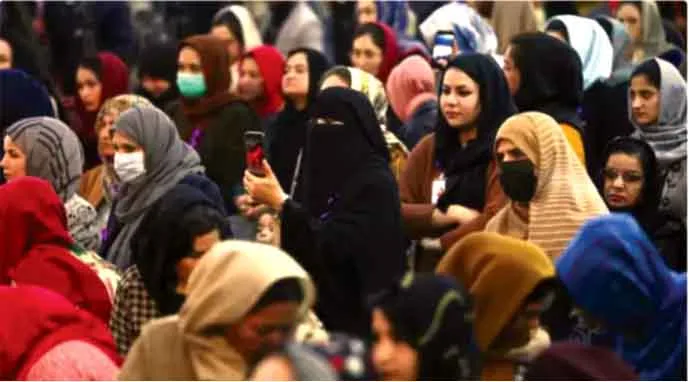
List of prominent cases related to maintenance in the court
Jubair Ahmad vs Ishrat Bano (October 18, 2019)
In this case, the Allahabad High Court upheld the Family Court’s decision to award maintenance to Ishrat Bano, a divorced Muslim wife, under Section 125 of the Code of Criminal Procedure (CrPC). The court affirmed that despite the provisions of the Muslim Women (Protection of Rights on Divorce) Act, 1986, a divorced Muslim woman is entitled to claim maintenance beyond the iddat period unless she remarries
or is otherwise disqualified.
Zahid Khatoon Vs Narul Haque (December 2020)
The Allahabad High Court in its judgment dated December 20, directed that for a period of three months or till the aforesaid case is decided, whichever is earlier, the respondent husband should pay to the appellant herein a sum of Rs 5000/ per month before the 10th day of each month towards interim maintenance. The appellant – Zahida Khatoon was married to the respondent – Narul Haque on May 21, 1989 as per Muslim rites and ritual. Though at the time of marriage, the husband was not employed but later he joined the service of the postal department as postal assistant. He gave divorce to the appellant on June 28, 2000 and thereafter he married another Muslim woman in 2002. However, he neither paid Mehr nor any maintenance amount, nor returned the articles belonging to the applicant, therefore, the applicant filed a case for maintenance and others on September 10, 2002 under 3 of the muslim women (protection of rights on divorce) Act 1986 before the concerned court at district court at Ghazipur.
Shabana Bano v. Imran Khan (2009)
In 2009, the Supreme Court categorically held that, even if a Muslim woman has been divorced, she would be entitled to claim maintenance from her husband under Section 125 of the Criminal Procedure Code after the expiry of period of iddat also, as long as she does not remarry.
As the ultimate guardian of constitutional values, the judiciary has once again played a pivotal role through this judgement in upholding equality within the legislative framework. By ensuring stability and empowering Muslim women with economic support after marriage dissolution, the judiciary has emphasised the necessity of implementing a Uniform Civil Code nationwide. This measure is essential to eliminate recurring challenges to constitutional principles and to safeguard the rights of women across all religious communities.
The Supreme Court has fulfilled its constructive role. Now, it is up to the so-called secular parties to decide whether they will uphold the Constitution and support the implementation of Article 44, or if they will demonstrate questionable standards by supporting the demands of AIMPLB. This is a litmus test that will reveal the true intentions of these political parties, especially those who often claim allegiance to the Constitution in public discourse.















Comments