India taking steps to eliminate trans-fatty acids from national food supplies: WHO
June 24, 2026
  • Read Ecopy
  • Circulation
  • Advertise
  • Careers
  • About Us
  • Contact Us
Android AppiPhone AppArattai
Organiser
  • ‌
  • Bharat
    • Assam
    • Bihar
    • Chhattisgarh
    • Jharkhand
    • Maharashtra
    • View All States
  • World
    • Asia
    • Europe
    • North America
    • South America
    • Africa
    • Australia
  • Editorial
  • International
  • Opinion
  • RSS @ 100
  • More
    • Op Sindoor
    • Analysis
    • Sports
    • Defence
    • Politics
    • Business
    • Economy
    • Culture
    • Special Report
    • Sci & Tech
    • Entertainment
    • G20
    • Azadi Ka Amrit Mahotsav
    • Vocal4Local
    • Web Stories
    • Education
    • Employment
    • Books
    • Interviews
    • Travel
    • Law
    • Health
    • Obituary
  • Subscribe
    • Subscribe Print Edition
    • Subscribe Ecopy
    • Read Ecopy
  • ‌
  • Bharat
    • Assam
    • Bihar
    • Chhattisgarh
    • Jharkhand
    • Maharashtra
    • View All States
  • World
    • Asia
    • Europe
    • North America
    • South America
    • Africa
    • Australia
  • Editorial
  • International
  • Opinion
  • RSS @ 100
  • More
    • Op Sindoor
    • Analysis
    • Sports
    • Defence
    • Politics
    • Business
    • Economy
    • Culture
    • Special Report
    • Sci & Tech
    • Entertainment
    • G20
    • Azadi Ka Amrit Mahotsav
    • Vocal4Local
    • Web Stories
    • Education
    • Employment
    • Books
    • Interviews
    • Travel
    • Law
    • Health
    • Obituary
  • Subscribe
    • Subscribe Print Edition
    • Subscribe Ecopy
    • Read Ecopy
Organiser
  • Home
  • Bharat
  • World
  • Operation Sindoor
  • Editorial
  • Analysis
  • Opinion
  • Culture
  • Defence
  • International Edition
  • RSS @ 100
  • Magazine
  • Read Ecopy
Home Bharat

India taking steps to eliminate trans-fatty acids from national food supplies: WHO

Several countries in the South-East Asia Region including India, Bangladesh, Bhutan, India, Nepal, and Timor-Leste, have set national targets to enhance hypertension and diabetes management in primary health care by 2025

WEBDESKWEBDESK
Sep 28, 2023, 11:00 pm IST
in Bharat, World
Follow on Google News
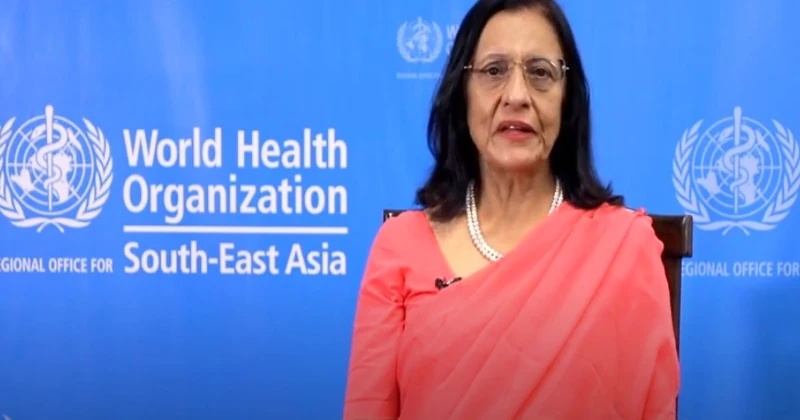
WHO's Regional Director for South-East Asia, Dr Poonam Khetrapal Singh

WHO's Regional Director for South-East Asia, Dr Poonam Khetrapal Singh

FacebookTwitterWhatsAppTelegramEmail

India, Bangladesh, Sri Lanka and Thailand have taken steps to eliminate trans-fatty acids from their national food supplies, potentially benefiting over 1.7 billion people, according to World Health Organisation’s Regional Director for South-East Asia Dr Poonam Khetrapal Singh.

Several countries in the South-East Asia Region including India, Bangladesh, Bhutan, India, Nepal, and Timor-Leste, have set national targets to enhance hypertension and diabetes management in primary health care by 2025, in line with the SEAHEARTS initiative of placing 100 million people with hypertension and or diabetes on protocol -based management by 2025, she said.

India’s target of reaching 75 million people with hypertension and diabetes under standard care by 2025 is the largest cover of non-communicable diseases (NCDs) for primary health care in the world, as per a statement released by the WHO.

The SEAHEARTS (WHO HEARTS package adaptation to South-East Asia Region) initiative of the region, brings together measures to reduce risk factors (tobacco control, salt reduction, and trans-fatty acids) with improvements in hypertension and diabetes coverage and control in primary health care.

The statement by Khetrapal comes ahead of World Heart Day, a global event that occurs on September 29. On this day, The World Heart Federation and its partners raise awareness of Cardiovascular diseases.

Khetrapal said World Heart Day provides an opportunity for WHO and its member states to join the global call to raise awareness about heart health and accelerate actions to prevent, detect and manage cardiovascular diseases.

The WHO South-East Asia Region is home to a quarter of the world’s population. The region is experiencing a very high burden of NCDs, and cardiovascular diseases (CVDs) are responsible for 3.9 million annual deaths, making up 30 per cent of all deaths. Alarmingly, almost half (48 per cent) of these CVD-related deaths occurred prematurely, affecting individuals aged 30 to 70 years and imposing significant socioeconomic burdens on families, communities, and countries, as per the WHO.

The main causes of the burden of CVD include modifiable lifestyle factors such as tobacco use, alcohol consumption, unhealthy diets especially high salt intake, and lack of physical activity. Raised blood pressure and raised blood glucose levels are key drivers and they can be detected, diagnosed, and managed adequately in primary care.

One in four adults in the region has raised blood pressure, while one in ten has diabetes, and less than 15 per cent are on effective treatment coverage. Additionally, high levels of lipids in the blood and suboptimal management of acute cardiovascular events further worsen CVD mortality, Khetrapal said, as per the WHO statement.

NCDs have been identified as a Regional Flagship priority since 2014. In 2022, the region adopted the ‘Implementation Roadmap for accelerating the prevention and control of NCD in South-East Asia 2022–2030.’

(with inputs from ANI)
Topics: WHODr Poonam Khetrapal Singhnational food suppliesSeahearts
ShareTweetSendShareSend
✮ Subscribe Organiser YouTube Channel. ✮
✮ Join Organiser's WhatsApp channel for Nationalist views beyond the news. ✮
Previous News

Assam: Mentally challenged girl gangraped in Bhuragaon, three arrested including a woman Murshida Begum

Next News

Manipur CM Biren Singh’s house in East Imphal attacked by mob;security stepped up at his residence

Related News

Kochi International Airport

Keralam: Kochi strengthens Ebola surveillance after WHO global emergency alert

A boy inflicted by polio

Pakistan’s polio nightmare continues after fresh cases reappear despite massive vaccination campaign

NLEP making India Free from Leprosy by 2030

India National Strategic Plan 2023–2027, India leads global fight against leprosy with 98 per cent decline since 1981

WHO issued global alert against cough syrups made by Tamil Nadu based Sresan Pharma and two other Gujarati companies named Rednex Pharma and Shape Pharma

WHO issues alert against cough syrups made by Sresan, Rednex & Shape pharmaceutical companies after 25 infant deaths

Representative image

India cuts zero-dose children by 43 per cent as South Asia hits record-high children immunisation in 2024

Representative Image

Ayurveda Meets Artificial Intelligence: India leads the world, says WHO

Load More

Latest News

Cochin Shipyard (File Photo)

Keralam: ‘I Love Pakistan’ inscription found inside vessel at Cochin Shipyard; Central agencies launch probe

BJP national spokesperson Pradeep Bhandari

Karnataka: BJP accuses Kharge family of illegally acquiring government land worth over Rs 100 crore

Elomi Global Worship Centre in Omalloor, Pathanamthitta district ; Pastor Binu Vazhakkuttom (Left to Right)

Keralam: Child abuse allegations at Pentecostal worship centre in Pathanamthitta; locals demand Pastor Binu’s arrest

Modi Govt’s Tourism Revolution: 183 projects, Rs 9,225 crore investment & rise of India’s cultural & spiritual circuits

Padma Awards 2026: Tamil Nadu’s distinguished achievers receive national honours

India’s history is not merely a tale of foreign domination but also a remarkable story of resilience, resistance & civilisational continuity

Indian History: Not just foreign rule, but a timeless story of resistance, self-respect and civilisational resilience

From $10 Billion to $190 Billion: Indian Bioeconomy Touches New Heights in 12 Years

From $10 Billion to $190 Billion: India’s Bioeconomy leads a 12-Year science revolution

Nagpur | Acceptance of Bharatiya civilisational values is steadily increasing worldwide: Shanta Kumari

Representative Image

Passport Seva Divas: India issues 1.39 crore passports in 2025 as ‘Passport Seva Network’ expands to 545 Centres

Uttarakhand Government replaces Madrasa Board with Unified Minority Education framework

Uttarakhand Ends Madrasa Board Era: New Minority Education Authority to take over from July 1

Load More
  • Privacy
  • Terms
  • Cookie Policy
  • Refund and Cancellation
  • Delivery and Shipping

© Bharat Prakashan (Delhi) Limited.
Tech-enabled by Ananthapuri Technologies

  • Home
  • Search Organiser
  • Bharat
    • Assam
    • Bihar
    • Chhattisgarh
    • Jharkhand
    • Maharashtra
    • View All States
  • World
    • Asia
    • Africa
    • North America
    • South America
    • Europe
    • Australia
  • Editorial
  • Operation Sindoor
  • Opinion
  • Analysis
  • Defence
  • Culture
  • Sports
  • Business
  • RSS @ 100
  • Entertainment
  • More ..
    • Sci & Tech
    • Vocal4Local
    • Special Report
    • Education
    • Employment
    • Books
    • Interviews
    • Travel
    • Health
    • Politics
    • Law
    • Economy
    • Obituary
  • Subscribe Magazine
  • Read Ecopy
  • Advertise
  • Circulation
  • Careers
  • About Us
  • Contact Us
  • Policies & Terms
    • Privacy Policy
    • Cookie Policy
    • Refund and Cancellation
    • Terms of Use

© Bharat Prakashan (Delhi) Limited.
Tech-enabled by Ananthapuri Technologies