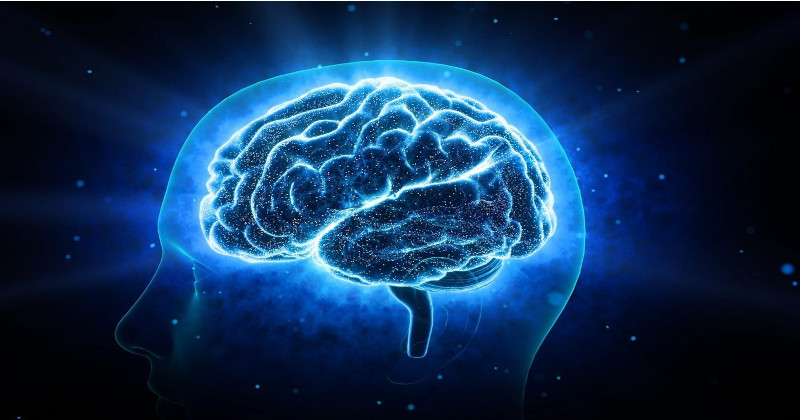
New study better explains how brain stores memories
August 3, 2026
  • Read Ecopy
  • Circulation
  • Advertise
  • Careers
  • About Us
  • Contact Us
Android AppiPhone AppArattai
Organiser
  • ‌
  • Bharat
    • Assam
    • Bihar
    • Chhattisgarh
    • Jharkhand
    • Maharashtra
    • View All States
  • World
    • Asia
    • Europe
    • North America
    • South America
    • Africa
    • Australia
  • Editorial
  • International
  • Opinion
  • RSS @ 100
  • More
    • Op Sindoor
    • Analysis
    • Sports
    • Defence
    • Politics
    • Business
    • Economy
    • Culture
    • Special Report
    • Sci & Tech
    • Entertainment
    • G20
    • Azadi Ka Amrit Mahotsav
    • Vocal4Local
    • Web Stories
    • Education
    • Employment
    • Books
    • Interviews
    • Travel
    • Law
    • Health
    • Obituary
  • Subscribe
    • Subscribe Print Edition
    • Subscribe Ecopy
    • Read Ecopy
  • ‌
  • Bharat
    • Assam
    • Bihar
    • Chhattisgarh
    • Jharkhand
    • Maharashtra
    • View All States
  • World
    • Asia
    • Europe
    • North America
    • South America
    • Africa
    • Australia
  • Editorial
  • International
  • Opinion
  • RSS @ 100
  • More
    • Op Sindoor
    • Analysis
    • Sports
    • Defence
    • Politics
    • Business
    • Economy
    • Culture
    • Special Report
    • Sci & Tech
    • Entertainment
    • G20
    • Azadi Ka Amrit Mahotsav
    • Vocal4Local
    • Web Stories
    • Education
    • Employment
    • Books
    • Interviews
    • Travel
    • Law
    • Health
    • Obituary
  • Subscribe
    • Subscribe Print Edition
    • Subscribe Ecopy
    • Read Ecopy
Organiser
  • Home
  • Bharat
  • World
  • Operation Sindoor
  • Editorial
  • Analysis
  • Opinion
  • Culture
  • Defence
  • International Edition
  • RSS @ 100
  • Magazine
  • Read Ecopy
Home World

New study better explains how brain stores memories

The theory offers a new way of understanding systems consolidation, a process that transfers certain memories from the hippocampus

WEBDESKWEBDESK
Jul 23, 2023, 11:00 pm IST
in World, Health
Follow on Google News
FacebookTwitterWhatsAppTelegramEmail

According to a new theory proposed by researchers at HHMI’s Janelia Research Campus and collaborators at UCL, the value of memory for future scenarios indicates where it resides in the brain.

The theory offers a new way of understanding systems consolidation, a process that transfers certain memories from the hippocampus – where they are initially stored – to the neocortex — where they reside long term. Under the classical view of systems consolidation, all memories move from the hippocampus to the neocortex over time. But this view doesn’t always hold up; research shows some memories permanently reside in the hippocampus and are never transferred to the neocortex.

In recent years, psychologists proposed theories to explain this more complicated view of systems consolidation, but no one has yet figured out mathematically what determines whether a memory stays in the hippocampus or whether it is consolidated in the neocortex.

Now, Janelia researchers are putting forward a new, quantitative view of systems consolidation to help resolve this longstanding problem, proposing a mathematical neural network theory in which memories consolidate to the neocortex only if they improve generalisation.

Generalisations are constructed from the reliable and predictable components of memories, enabling us to apply them to other situations. We can generalise certain features of memories to help us understand the world, like the fact that canyons predict the presence of water.

This is different from episodic memories — detailed recollections of the past that have unique features, like an individual memory we have of hiking to a particular canyon and coming upon a body of water.

Under this view, consolidation doesn’t copy memories from one area of the brain to another but rather creates a new memory that is a generalisation of previous memories. The amount that a memory can be generalised – not its age — determines whether it is consolidated or remains in the hippocampus.

The researchers used neural networks to show how the amount of consolidation varies based on how much of a memory is generalisable. They were able to reproduce previous experimental patterns that couldn’t be explained by the classical view of systems consolidation.

The next step is to test the theory with experiments to see if it can predict how much a memory will be consolidated. Another important direction will be to test the authors’ models of how the brain might distinguish between predictable and unpredictable components of memories to regulate consolidation. Uncovering how memory works can help researchers better understand an integral part of cognition, potentially benefitting human health and artificial intelligence.


Topics: ResearchHealthhumansbrainMemory storagehippocampusBrain memory
Share20TweetSendShareSend
✮ Subscribe Organiser YouTube Channel. ✮
✮ Join Organiser's WhatsApp channel for Nationalist views beyond the news. ✮
Previous News

How obesity makes ovarian cancer more deadly, explains scientists

Next News

Bihar: Clash over installation of Islamic flag on Muharram near Durga temple in Darbhanga; Stones pelted, many injured

Related News

Dr Suresh Hanagavadi conferred with Padmashri

Dr Suresh Hanagavadi: The remarkable journey of a doctor who revolutionised haemophilia care & patient advocacy

Representative Image

Loneliness: A social problem or a cultural challenge?

Prime Minister Narendra Modi at the Yoga Day celebrations in Kolkata

International Yoga Day: PM Modi hails Bengal’s spiritual heritage; Advocates yoga for healthy ageing & mental wellness

The wisdom of sattvik food: Nourishing inner balance

Dr. Fauci and US DNI Tulsi Gabbard

Tulsi Gabbard releases declassified records on Dr. Fauci funded Wuhan labs; Sparks speculations over origin of covid-19

Indian surgeon conducts world’s longest cardiac telesurgery; Made-in-India robot echoes indigenous medical prowess

Load More

Latest News

Balochistan & Enthno-Nationalist Armed Resistance: A nightmare for the Pakistani Army

Tamil Nadu: Supreme Court refuses to stay HC order on Thiruparankundram Deepam; TVK govt faces legal setback

Beyond the “Gaumutra” jibe

FCRA and NGOs: Ensuring accountability, protecting sovereignty

Tamil Nadu: Hindu Munnani’s protest stops meat waste dumping at historic Shiva temple in Tiruvallur

Devotees throng Baba Baidyanath Dham in Deoghar

Jharkhand: Devotees throng Baba Baidyanath Dham in Deoghar on first Monday of Shravan

FCRA and NGOs: Rewriting the rulebook

India-China border trade resumes after 6 years; Himalayan routes of Nathu La, Shipki La & Lipulekh signal reset in ties

RSS Sarsanghchalak Dr Mohan Bhagwat

Maharashtra: RSS Sarsanghchalak Dr Bhagwat to address Gen Z, Gen Alpha at IIMUN’s 15th Anniversary event in Mumbai

From North India's Power Capital to North India's Religious Tourism Hub

From North India’s Power Capital to North India’s Religious Tourism Hub

Load More
  • Privacy
  • Terms
  • Cookie Policy
  • Refund and Cancellation
  • Delivery and Shipping

© Bharat Prakashan (Delhi) Limited.
Tech-enabled by Ananthapuri Technologies

  • Home
  • Search Organiser
  • Bharat
    • Assam
    • Bihar
    • Chhattisgarh
    • Jharkhand
    • Maharashtra
    • View All States
  • World
    • Asia
    • Africa
    • North America
    • South America
    • Europe
    • Australia
  • Editorial
  • Operation Sindoor
  • Opinion
  • Analysis
  • Defence
  • Culture
  • Sports
  • Business
  • RSS @ 100
  • Entertainment
  • More ..
    • Sci & Tech
    • Vocal4Local
    • Special Report
    • Education
    • Employment
    • Books
    • Interviews
    • Travel
    • Health
    • Politics
    • Law
    • Economy
    • Obituary
  • Subscribe Magazine
  • Read Ecopy
  • Advertise
  • Circulation
  • Careers
  • About Us
  • Contact Us
  • Policies & Terms
    • Privacy Policy
    • Cookie Policy
    • Refund and Cancellation
    • Terms of Use

© Bharat Prakashan (Delhi) Limited.
Tech-enabled by Ananthapuri Technologies