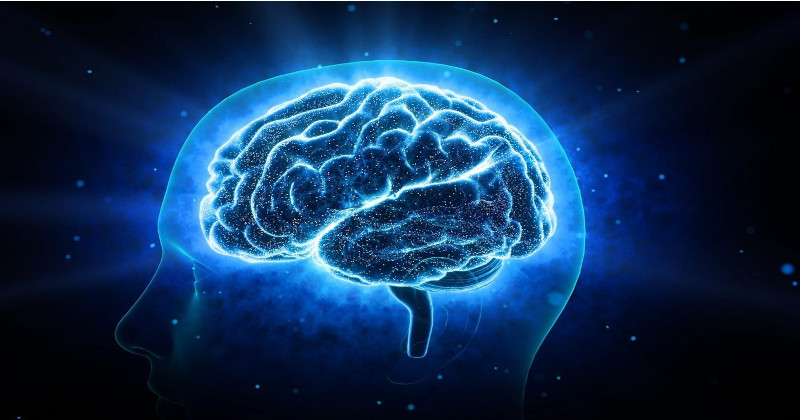
New study better explains how brain stores memories
December 5, 2025
  • Read Ecopy
  • Circulation
  • Advertise
  • Careers
  • About Us
  • Contact Us
Android AppiPhone AppArattai
Organiser
  • ‌
  • Bharat
    • Assam
    • Bihar
    • Chhattisgarh
    • Jharkhand
    • Maharashtra
    • View All States
  • World
    • Asia
    • Europe
    • North America
    • South America
    • Africa
    • Australia
  • Editorial
  • International
  • Opinion
  • RSS @ 100
  • More
    • Op Sindoor
    • Analysis
    • Sports
    • Defence
    • Politics
    • Business
    • Economy
    • Culture
    • Special Report
    • Sci & Tech
    • Entertainment
    • G20
    • Azadi Ka Amrit Mahotsav
    • Vocal4Local
    • Web Stories
    • Education
    • Employment
    • Books
    • Interviews
    • Travel
    • Law
    • Health
    • Obituary
  • Subscribe
    • Subscribe Print Edition
    • Subscribe Ecopy
    • Read Ecopy
  • ‌
  • Bharat
    • Assam
    • Bihar
    • Chhattisgarh
    • Jharkhand
    • Maharashtra
    • View All States
  • World
    • Asia
    • Europe
    • North America
    • South America
    • Africa
    • Australia
  • Editorial
  • International
  • Opinion
  • RSS @ 100
  • More
    • Op Sindoor
    • Analysis
    • Sports
    • Defence
    • Politics
    • Business
    • Economy
    • Culture
    • Special Report
    • Sci & Tech
    • Entertainment
    • G20
    • Azadi Ka Amrit Mahotsav
    • Vocal4Local
    • Web Stories
    • Education
    • Employment
    • Books
    • Interviews
    • Travel
    • Law
    • Health
    • Obituary
  • Subscribe
    • Subscribe Print Edition
    • Subscribe Ecopy
    • Read Ecopy
Organiser
  • Home
  • Bharat
  • World
  • Operation Sindoor
  • Editorial
  • Analysis
  • Opinion
  • Culture
  • Defence
  • International Edition
  • RSS @ 100
  • Magazine
  • Read Ecopy
Home World

New study better explains how brain stores memories

The theory offers a new way of understanding systems consolidation, a process that transfers certain memories from the hippocampus

WEBDESKWEBDESK
Jul 23, 2023, 11:00 pm IST
in World, Health
Follow on Google News
FacebookTwitterWhatsAppTelegramEmail

According to a new theory proposed by researchers at HHMI’s Janelia Research Campus and collaborators at UCL, the value of memory for future scenarios indicates where it resides in the brain.

The theory offers a new way of understanding systems consolidation, a process that transfers certain memories from the hippocampus – where they are initially stored – to the neocortex — where they reside long term. Under the classical view of systems consolidation, all memories move from the hippocampus to the neocortex over time. But this view doesn’t always hold up; research shows some memories permanently reside in the hippocampus and are never transferred to the neocortex.

In recent years, psychologists proposed theories to explain this more complicated view of systems consolidation, but no one has yet figured out mathematically what determines whether a memory stays in the hippocampus or whether it is consolidated in the neocortex.

Now, Janelia researchers are putting forward a new, quantitative view of systems consolidation to help resolve this longstanding problem, proposing a mathematical neural network theory in which memories consolidate to the neocortex only if they improve generalisation.

Generalisations are constructed from the reliable and predictable components of memories, enabling us to apply them to other situations. We can generalise certain features of memories to help us understand the world, like the fact that canyons predict the presence of water.

This is different from episodic memories — detailed recollections of the past that have unique features, like an individual memory we have of hiking to a particular canyon and coming upon a body of water.

Under this view, consolidation doesn’t copy memories from one area of the brain to another but rather creates a new memory that is a generalisation of previous memories. The amount that a memory can be generalised – not its age — determines whether it is consolidated or remains in the hippocampus.

The researchers used neural networks to show how the amount of consolidation varies based on how much of a memory is generalisable. They were able to reproduce previous experimental patterns that couldn’t be explained by the classical view of systems consolidation.

The next step is to test the theory with experiments to see if it can predict how much a memory will be consolidated. Another important direction will be to test the authors’ models of how the brain might distinguish between predictable and unpredictable components of memories to regulate consolidation. Uncovering how memory works can help researchers better understand an integral part of cognition, potentially benefitting human health and artificial intelligence.


Topics: brainMemory storagehippocampusBrain memoryResearchHealthhumans
Share20TweetSendShareSend
✮ Subscribe Organiser YouTube Channel. ✮
✮ Join Organiser's WhatsApp channel for Nationalist views beyond the news. ✮
Previous News

How obesity makes ovarian cancer more deadly, explains scientists

Next News

Bihar: Clash over installation of Islamic flag on Muharram near Durga temple in Darbhanga; Stones pelted, many injured

Related News

With the right ecosystem and vision, Indian scientists can rise to Nobel heights

Why Nobel Prize is eluding Indian science

Low to glow: Finding balance across life’s spectrum

Gujarat Govt launches ‘Swasthya Gujarat, Medasvita Mukt Gujarat’ campaign to promote obesity-free, healthy living

Current antivirals may be less effective against severe infection caused by bird flu virus in cows’ milk: Study

Representative Image

Consumption of ultraprocessed foods linked to rising premature deaths: Study

Odisha leads Immunisation drive: New IEC materials launched to eliminate measles and rubella by 2026

Load More

Comments

The comments posted here/below/in the given space are not on behalf of Organiser. The person posting the comment will be in sole ownership of its responsibility. According to the central government's IT rules, obscene or offensive statement made against a person, religion, community or nation is a punishable offense, and legal action would be taken against people who indulge in such activities.

Latest News

Thirupparankundram Karthigai Deepam utsav

Andhra Pradesh: AP Dy CM Pawan Kalyan reacts to Thirupparankundram row, flags concern over religious rights of Hindus

23rd India-Russia Annual Summit

India-Russia Summit heralds new chapter in time-tested ties: Inks MoUs in economic, defence, tourism & education

DGCA orders probe into IndiGo flight disruptions; Committee to report in 15 days

BJYM leader Shyamraj with Janaki

Kerala: Widow of BJP worker murdered in 1995 steps into electoral battle after three decades at Valancherry

Russian Sber bank has unveiled access to its retail investors to the Indian stock market by etching its mutual fund to Nifty50

Scripting economic bonhomie: Russian investors gain access to Indian stocks, Sber unveils Nifty50 pegged mutual funds

Petitioner S Vignesh Shishir speaking to the reporters about the Rahul Gandhi UK citizenship case outside the Raebareli court

Rahul Gandhi UK Citizenship Case: Congress supporters create ruckus in court; Foreign visit details shared with judge

(L) Kerala High Court (R) Bouncers in Trippoonithura temple

Kerala: HC slams CPM-controlled Kochi Devaswom Board for deploying bouncers for crowd management during festival

Fact Check: Rahul Gandhi false claim about govt blocking his meet with Russian President Putin exposed; MEA clears air

Union Minister for Road Transport and Highways Nitin Gadkari (Right)

India set for highway overhaul as Union Minister Nitin Gadkari unveils nationwide shift to MLFF electronic tolling

RSS Akhil Bharatiya Prachar Pramukh Shri Sunil Ambekar

When Narrative Wars result in bloodshed, countering them becomes imperative: Sunil Ambekar

Load More
  • Privacy
  • Terms
  • Cookie Policy
  • Refund and Cancellation
  • Delivery and Shipping

© Bharat Prakashan (Delhi) Limited.
Tech-enabled by Ananthapuri Technologies

  • Home
  • Search Organiser
  • Bharat
    • Assam
    • Bihar
    • Chhattisgarh
    • Jharkhand
    • Maharashtra
    • View All States
  • World
    • Asia
    • Africa
    • North America
    • South America
    • Europe
    • Australia
  • Editorial
  • Operation Sindoor
  • Opinion
  • Analysis
  • Defence
  • Culture
  • Sports
  • Business
  • RSS @ 100
  • Entertainment
  • More ..
    • Sci & Tech
    • Vocal4Local
    • Special Report
    • Education
    • Employment
    • Books
    • Interviews
    • Travel
    • Health
    • Politics
    • Law
    • Economy
    • Obituary
  • Subscribe Magazine
  • Read Ecopy
  • Advertise
  • Circulation
  • Careers
  • About Us
  • Contact Us
  • Policies & Terms
    • Privacy Policy
    • Cookie Policy
    • Refund and Cancellation
    • Terms of Use

© Bharat Prakashan (Delhi) Limited.
Tech-enabled by Ananthapuri Technologies