Too much insulin can be deadly as too little: Study
August 28, 2026
  • Read Ecopy
  • Circulation
  • Advertise
  • Careers
  • About Us
  • Contact Us
Android AppiPhone AppArattai
Organiser
  • ‌
  • Bharat
    • Assam
    • Bihar
    • Chhattisgarh
    • Jharkhand
    • Maharashtra
    • View All States
  • World
    • Asia
    • Europe
    • North America
    • South America
    • Africa
    • Australia
  • Editorial
  • International
  • Opinion
  • RSS @ 100
  • More
    • Op Sindoor
    • Analysis
    • Sports
    • Defence
    • Politics
    • Business
    • Economy
    • Culture
    • Special Report
    • Sci & Tech
    • Entertainment
    • G20
    • Azadi Ka Amrit Mahotsav
    • Vocal4Local
    • Web Stories
    • Education
    • Employment
    • Books
    • Interviews
    • Travel
    • Law
    • Health
    • Obituary
  • Subscribe
    • Subscribe Print Edition
    • Subscribe Ecopy
    • Read Ecopy
  • ‌
  • Bharat
    • Assam
    • Bihar
    • Chhattisgarh
    • Jharkhand
    • Maharashtra
    • View All States
  • World
    • Asia
    • Europe
    • North America
    • South America
    • Africa
    • Australia
  • Editorial
  • International
  • Opinion
  • RSS @ 100
  • More
    • Op Sindoor
    • Analysis
    • Sports
    • Defence
    • Politics
    • Business
    • Economy
    • Culture
    • Special Report
    • Sci & Tech
    • Entertainment
    • G20
    • Azadi Ka Amrit Mahotsav
    • Vocal4Local
    • Web Stories
    • Education
    • Employment
    • Books
    • Interviews
    • Travel
    • Law
    • Health
    • Obituary
  • Subscribe
    • Subscribe Print Edition
    • Subscribe Ecopy
    • Read Ecopy
Organiser
  • Home
  • Bharat
  • World
  • Operation Sindoor
  • Editorial
  • Analysis
  • Opinion
  • Culture
  • Defence
  • International Edition
  • RSS @ 100
  • Magazine
  • Read Ecopy
Home World

Too much insulin can be deadly as too little: Study

WEBDESKWEBDESK
Apr 27, 2023, 11:00 pm IST
inWorld, Health
Follow on Google News
Facebook
Twitter
WhatsAppTelegramEmail

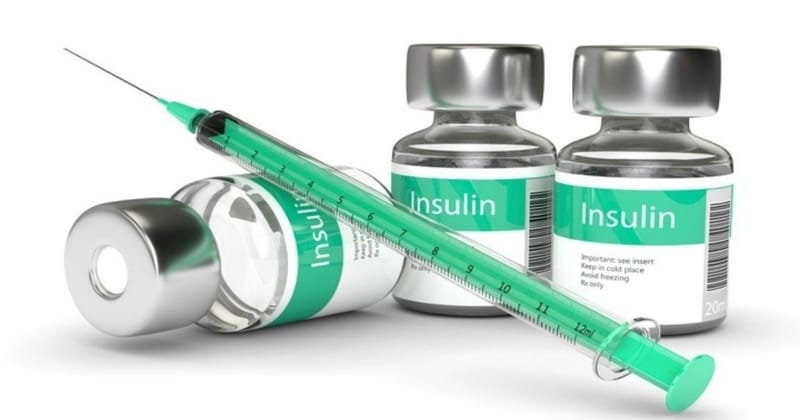
Insulin is an essential treatment for type 1 diabetes and often for type 2 diabetes, as well. Roughly 8.4 million Americans use insulin, according to the American Diabetes Association.

In a new study published in April 20, 2023, online edition of Cell Metabolism, a team of scientists at the University of California San Diego School of Medicine, with colleagues elsewhere, describe a key player in the defense mechanism that safeguards us against excessive insulin in the body.

“Although insulin is one of the most essential hormones, whose insufficiency can result in death, too much insulin can also be deadly,” said senior study author Michael Karin, PhD, Distinguished Professor of Pharmacology and Pathology at UC San Diego School of Medicine.

One hundred years of research have greatly advanced medical and biochemical understanding of how insulin works and what happens when it is lacking, but the reverse, how potentially fatal insulin hyper responsiveness is prevented, has remained a persistent mystery.

“While our body finely tunes insulin production, patients who are treated with insulin or drugs that stimulate insulin secretion often experience hypoglycemia, a condition that if gone unrecognized and untreated can result in seizures, coma and even death, which collectively define a condition called insulin shock.”

Hypoglycemia (low blood sugar) is a significant cause of death among persons with diabetes.

In the new study, Karin, first author Li Gu, PhD, a postdoctoral scholar in Karin’s lab, and colleagues describe “the body’s natural defense or safety valve” that reduces the risk of insulin shock.

That valve is a metabolic enzyme called fructose-1,6-bisphosphate phosphatase or FBP1, which acts to control gluconeogenesis, a process in which the liver synthesizes glucose (the primary source of energy used by cells and tissues) during sleep and secretes it to maintain a steady supply of glucose in the bloodstream.

Some antidiabetic drugs, such as metformin, inhibit gluconeogenesis but without apparent ill effect. Children born with a rare genetic disorder in which they do not produce sufficient FBP1 can also remain healthy and live long lives.

But in other cases, when the body is starved for glucose or carbohydrates, an FBP1 deficiency can result in severe hypoglycemia. Without a glucose infusion, convulsions, coma and possibly death can ensue.

Compounding and confounding the problem, FPB1 deficiency combined with glucose starvation produces adverse effects unrelated to gluconeogenesis, such as an enlarged, fatty liver, mild liver damage and elevated blood lipids or fats.

To better understand the roles of FBP1, researchers created a mouse model with liver-specific FBP1 deficiency, accurately mimicking the human condition. Like FBP1-deficient children, the mice appeared normal and healthy until fasted, which quickly resulted in severe hypoglycemia and liver abnormalities and hyperlipidemia described above.

Gu and her colleagues discovered that FBP1 had multiple roles. Beyond playing a part in the conversion of fructose to glucose, FBP1 had a second non-enzymatic but critical function: It inhibited the protein kinase AKT, which is the primary conduit of insulin activity.

“Basically, FBP1 keeps AKT in check and guards against insulin hyper-responsiveness, hypoglycemic shock and acute fatty liver disease,” said first author Gu.

Working with Yahui Zhu, a vising scientist from Chongqing University in China and second author of the study, Gu developed a peptide (a string of amino acids) derived from FBP1 that disrupted the association of FBP1 with AKT and another protein that inactivates AKT.

“This peptide works like an insulin mimetic, activating AKT,” said Karin. “When injected into mice that have been rendered insulin resistant, a highly common pre-diabetic condition, due to prolonged consumption of high-fat diet, the peptide (nicknamed E7) can reverse insulin resistance and restore normal glycemic control.”

Karin said the researchers would like to further develop E7 as a clinically useful alternative to insulin “because we have every reason to believe that it is unlikely to cause insulin shock.”

(with inputs from ANI)



Topics: Excessive insulin in the bodyinsulinTreatment for type 1 diabetesAmerican Diabetes AssociationHypoglycemiaConvulsions
Share28
Tweet
SendShareSend
✮ Subscribe Organiser YouTube Channel. ✮
✮ Join Organiser's WhatsApp channel for Nationalist views beyond the news. ✮
Previous News

Social media fuelling eating problems among female athletes: Research

Next News

PM Modi to inaugurate 91 FM transmitters to boost radio connectivity

Related News

Representative image

Many people with type 2 diabetes lack life-saving information about their disease

Representative image

World Diabetes Day: AIIMS Delhi to start free insulin distribution services from today

Representative Image

Researchers give more insight into type 2 diabetes diagnosis

Representative Image

Study finds how cells with an ear for music release insulin

Study offers potential diagnostic and therapeutic tools for fatty-liver-induced diabetes

Load More

Latest News

Representative Image

Raksha Bandhan 2026: Floral Rakhis, tree protection and traditional rituals mark celebrations across Bharat

Paramasivam, temple archaka (File Photo)

Madurai temple archaka Paramasivam’s death: Family alleges custodial torture, Tamil Nadu Police deny assault

Naga groups recieve bodies of deceased naga civilians

Manipur: Bodies of Naga civilians killed by Kuki militants reach Senapati; Civil groups call bandh amid rising tensions

Keralam: Hindu Aikyavedi leader seeks central probe into youths in military attire during Milad un-Nabi processions

UCC Panel Seeks Stakeholder Views During Raipur Consultation

Chhattisgarh Advances UCC Consultation: Religious entities, social representatives, statutory bodies submit suggestions

AI Generated Representative Image

PM Jan Dhan Yojana: 12 years of banking for all; 59.09cr accounts drive grassroot empowerment via financial inclusion

Rahul’s 'Smash Patriarchy' Dies at Kanthapuram’s 'No Women': Islamic Samastha Faction's Fatwa in Congress-Ruled Keralam

Rahul’s ‘Smash Patriarchy’ Dies at Kanthapuram’s ‘No Women’: Islamic Samastha Faction’s Fatwa in Congress-Ruled Keralam

Delhi Police Special Cell Arrest Couple as they operated for ISI-backed Pakistani handlers

Delhi Police bust Pakistan-ISI backed espionage module; Couple held for providing Indian SIM card to Pakistani handlers

Minister Piyush Goyal in Japan

Piyush Goyal Concludes Japan Visit: Powers next-gen economic ties as India aims resilient supply chain in frontier tech

A night view of the Bund with the Oriental Pearl TV Tower and other skyscrapers in Pudong, Shanghai, China

Shanghai’s Crumbling Dream: Is China’s economic miracle finally running out of steam?

Load More
  • Privacy
  • Terms
  • Cookie Policy
  • Refund and Cancellation
  • Delivery and Shipping

© Bharat Prakashan (Delhi) Limited.
Tech-enabled by Ananthapuri Technologies

  • Home
  • Search Organiser
  • Bharat
    • Assam
    • Bihar
    • Chhattisgarh
    • Jharkhand
    • Maharashtra
    • View All States
  • World
    • Asia
    • Africa
    • North America
    • South America
    • Europe
    • Australia
  • Editorial
  • Operation Sindoor
  • Opinion
  • Analysis
  • Defence
  • Culture
  • Sports
  • Business
  • RSS @ 100
  • Entertainment
  • More ..
    • Sci & Tech
    • Vocal4Local
    • Special Report
    • Education
    • Employment
    • Books
    • Interviews
    • Travel
    • Health
    • Politics
    • Law
    • Economy
    • Obituary
  • Subscribe Magazine
  • Read Ecopy
  • Advertise
  • Circulation
  • Careers
  • About Us
  • Contact Us
  • Policies & Terms
    • Privacy Policy
    • Cookie Policy
    • Refund and Cancellation
    • Terms of Use

© Bharat Prakashan (Delhi) Limited.
Tech-enabled by Ananthapuri Technologies