IIT Guwahati: Researchers produce cardiac proteins to fix a damaged heart
August 24, 2026
  • Read Ecopy
  • Circulation
  • Advertise
  • Careers
  • About Us
  • Contact Us
Android AppiPhone AppArattai
Organiser
  • ‌
  • Bharat
    • Assam
    • Bihar
    • Chhattisgarh
    • Jharkhand
    • Maharashtra
    • View All States
  • World
    • Asia
    • Europe
    • North America
    • South America
    • Africa
    • Australia
  • Editorial
  • International
  • Opinion
  • RSS @ 100
  • More
    • Op Sindoor
    • Analysis
    • Sports
    • Defence
    • Politics
    • Business
    • Economy
    • Culture
    • Special Report
    • Sci & Tech
    • Entertainment
    • G20
    • Azadi Ka Amrit Mahotsav
    • Vocal4Local
    • Web Stories
    • Education
    • Employment
    • Books
    • Interviews
    • Travel
    • Law
    • Health
    • Obituary
  • Subscribe
    • Subscribe Print Edition
    • Subscribe Ecopy
    • Read Ecopy
  • ‌
  • Bharat
    • Assam
    • Bihar
    • Chhattisgarh
    • Jharkhand
    • Maharashtra
    • View All States
  • World
    • Asia
    • Europe
    • North America
    • South America
    • Africa
    • Australia
  • Editorial
  • International
  • Opinion
  • RSS @ 100
  • More
    • Op Sindoor
    • Analysis
    • Sports
    • Defence
    • Politics
    • Business
    • Economy
    • Culture
    • Special Report
    • Sci & Tech
    • Entertainment
    • G20
    • Azadi Ka Amrit Mahotsav
    • Vocal4Local
    • Web Stories
    • Education
    • Employment
    • Books
    • Interviews
    • Travel
    • Law
    • Health
    • Obituary
  • Subscribe
    • Subscribe Print Edition
    • Subscribe Ecopy
    • Read Ecopy
Organiser
  • Home
  • Bharat
  • World
  • Operation Sindoor
  • Editorial
  • Analysis
  • Opinion
  • Culture
  • Defence
  • International Edition
  • RSS @ 100
  • Magazine
  • Read Ecopy
Home Bharat

IIT Guwahati: Researchers produce cardiac proteins to fix a damaged heart

Scientists worldwide are studying ways to convert regular body cells into heart cells, which could help regenerate damaged hearts. The challenge is that cells can change in ways that could be harmful. So, scientists need to find a better, safer way to do this

WEBDESKWEBDESK
Feb 22, 2023, 10:00 pm IST
inBharat, Assam
Follow on Google News
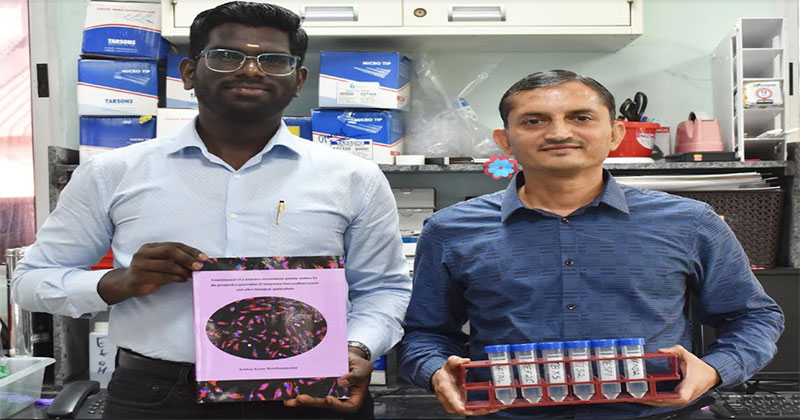
Dr RP Thummer (R), along with his research scholar H Krishna Kumar (L)

Dr RP Thummer (R), along with his research scholar H Krishna Kumar (L)

Facebook
Twitter
WhatsAppTelegramEmail

Researchers at the Indian Institute of Technology (IIT), Guwahati, have developed a ‘Recombinant Protein Toolbox’ comprising six unique proteins, which can be used to convert healthy skin cells or any somatic cells from an adult human body into heart cells, specifically cardiomyocytes.

The heart cells created using this toolbox can have the same function as the original heart cells and can be used to regenerate damaged heart tissues. Significantly, this toolbox can facilitate the generation of autologous heart cells in a lab.

The IIT Guwahati team has successfully produced cell-permeant recombinant proteins that convert skin cells to heart cells. A recombinant protein is a desired protein produced by engineered host cells in a laboratory using recombinant DNA technology. By exposing skin cells to these proteins, the IIT Guwahati researchers could ‘reprogram’ the cells and make them have the characteristics of heart cells. This process can be seen as ‘re-wiring’ the genetic program of the skin cells to be more like that of heart cells.

This study, led by Dr Rajkumar P Thummer, Assistant Professor, Department of Biosciences & Bioengineering at Research team from IIT Guwahati, has been conducted along with his research scholar Krishna Kumar Haridhasapavalan.

They collaborated with Dr Vishwas Kaveeshwar from the Central Research Laboratory at SDM College of Medical Sciences and Hospital in Dharwad, Karnataka, to validate the biological activity of the recombinant fusion proteins.

It is known that a heart attack happens when a part of the heart is damaged. In some animals, like the Zebrafish, the heart can grow back after being damaged, but in humans, the heart usually gets scar tissue instead of growing back new heart cells. The only way to treat heart disease is with a new heart, but there aren’t enough hearts available for transplantation, and it can be hard to make sure the body accepts the new heart.

Scientists worldwide are studying ways to convert regular body cells into heart cells, which could help regenerate damaged hearts. The challenge is that cells can change in ways that could be harmful. So, scientists need to find a better, safer way to do this.

Proteins produced from another source when applied can convert cells from one form to another in a process known as cellular reprogramming. This process involves the use of specific proteins, known as transcription factors, which can alter the expression of genes within a cell and direct it to take on a new cellular identity.

“Recombinant protein-based cellular reprogramming is a promising alternative and the safest approach among other available non-integration approaches. As these proteins do not modify or alter the genome of the cells, the cells generated using this reprogramming approaches have a high cell therapeutic value. Several challenges associated with the heterologous production of these recombinant proteins have been addressed in our six research publications in different journals,” said Dr. Rajkumar P. Thummer

According to Mr. Krishna Kumar Haridhasapavalan, the first author of the papers published by the team, “The recombinant proteins can be delivered to target sites without the need of any harmful reagents. In addition to cardiac repair, these proteins can be studied for their role in various cancers as suppressors or promotors of tumor growth.”

The researchers have recently shared their results on the development of cell- and nucleus-penetrating versions of six cardiac reprogramming transcription factors in numerous international peer-reviewed journals including, Molecular Biotechnology, Applied Microbiology and Biotechnology, Bioprocess and Biosystems Engineering, Current Research in Biotechnology, Healthcare Research and Related Technologies Proceedings from NERC 2022, Scientific Reports, and Advances in Experimental Medicine and Biology.

Topics: DNA technologyGuwahatiIITHeart AttackRecombinant Protein ToolboxCardiac proteinsIIT GuwahatiSkin cellsSomatic cellsHeart cellsCardiomyocytes
Share
Tweet
SendShareSend
✮ Subscribe Organiser YouTube Channel. ✮
✮ Join Organiser's WhatsApp channel for Nationalist views beyond the news. ✮
Previous News

Desecration of Chhatrapati Shivaji’s portrait at JNU- The left yet again insults a national icon

Next News

‘PM Modi’s Policies behind BJP’s entry in Nagaland’: S Phangnon Konyak, first woman MP from Nagaland

Related News

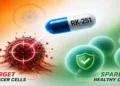
Indian scientists have developed RK-251, a “smart” cancer drug designed to target cancer cells while sparing healthy tissue

India’s New Smart Cancer Drug: RK-25 targets tumour cells while leaving healthy cells unharmed

IIT Guwahati researchers have developed ‘E-Eye’, a low-cost portable device that rapidly detects toxic heavy metals and E. coli in water

IIT Guwahati develops ‘E-Eye’ device for rapid detection of cancer-causing heavy metals and toxicants in water

PM Modi at IIT Delhi with Chairperson of the Board of Governors, Harish Salve (Photo: ANI)

PM Modi inaugurates AI-powered Param Pragya facility at IIT Delhi, presents medals at 57th convocation ceremony

Assam: Indian Army’s NIEDO empowers 30 underprivileged students to crack NEET 2026

Bangladeshi Couple En Route to Mumbai Arrested at Guwahati Airport with Fake Aadhaar

Bangladeshi couple arrested in Guwahati airport en route to Mumbai with fake IDs; 8 infiltrators arrested in Agartala

Kamakhya Mandir

Kamakhya Mandir’s Ambubachi Mela: The ancient tradition that honours the menstruation of mother Earth

Load More

Latest News

India’s Semiconductor Revolution: Building the ecosystem to lead the global chip race

Representative Image

India’s Emerging Military Challenge: Air campaign alone cannot replace boots on the ground

Lum Sohpetbneng- sacred peak of the Khasi people. They believe it to be the "Navel of Heaven"

Decoding Northeast: Celebrating ‘shared values’

Abdul El-Sayed

Who Is Abdul El-Sayed? Michigan’s Bid for America’s first Muslim Senator and How is he linked to Bin Laden & Al-Qaeda?

19th Foundation Day of GBU | Mission ShakthiSAT inaugurated; CM Yogi urges youth to embrace ‘Nation First’ spirit

Join hands against the US’ unilateral tariff pressures

A Clarion Call Against Global Hinduphobia: Organizations unite to oppose USCIRF’s anti-India agenda

Book Review: Young, innovative, still eternal

Are we losing the UPI Freedom

PM Modi interacts with space startup CEOs

National Space Day: PM Modi urge startups to revolutionise India as global space power & solve grassroot challenges

Load More
  • Privacy
  • Terms
  • Cookie Policy
  • Refund and Cancellation
  • Delivery and Shipping

© Bharat Prakashan (Delhi) Limited.
Tech-enabled by Ananthapuri Technologies

  • Home
  • Search Organiser
  • Bharat
    • Assam
    • Bihar
    • Chhattisgarh
    • Jharkhand
    • Maharashtra
    • View All States
  • World
    • Asia
    • Africa
    • North America
    • South America
    • Europe
    • Australia
  • Editorial
  • Operation Sindoor
  • Opinion
  • Analysis
  • Defence
  • Culture
  • Sports
  • Business
  • RSS @ 100
  • Entertainment
  • More ..
    • Sci & Tech
    • Vocal4Local
    • Special Report
    • Education
    • Employment
    • Books
    • Interviews
    • Travel
    • Health
    • Politics
    • Law
    • Economy
    • Obituary
  • Subscribe Magazine
  • Read Ecopy
  • Advertise
  • Circulation
  • Careers
  • About Us
  • Contact Us
  • Policies & Terms
    • Privacy Policy
    • Cookie Policy
    • Refund and Cancellation
    • Terms of Use

© Bharat Prakashan (Delhi) Limited.
Tech-enabled by Ananthapuri Technologies