Researchers develop low-carbon bricks for energy-efficient buildings
June 25, 2026
  • Read Ecopy
  • Circulation
  • Advertise
  • Careers
  • About Us
  • Contact Us
Android AppiPhone AppArattai
Organiser
  • ‌
  • Bharat
    • Assam
    • Bihar
    • Chhattisgarh
    • Jharkhand
    • Maharashtra
    • View All States
  • World
    • Asia
    • Europe
    • North America
    • South America
    • Africa
    • Australia
  • Editorial
  • International
  • Opinion
  • RSS @ 100
  • More
    • Op Sindoor
    • Analysis
    • Sports
    • Defence
    • Politics
    • Business
    • Economy
    • Culture
    • Special Report
    • Sci & Tech
    • Entertainment
    • G20
    • Azadi Ka Amrit Mahotsav
    • Vocal4Local
    • Web Stories
    • Education
    • Employment
    • Books
    • Interviews
    • Travel
    • Law
    • Health
    • Obituary
  • Subscribe
    • Subscribe Print Edition
    • Subscribe Ecopy
    • Read Ecopy
  • ‌
  • Bharat
    • Assam
    • Bihar
    • Chhattisgarh
    • Jharkhand
    • Maharashtra
    • View All States
  • World
    • Asia
    • Europe
    • North America
    • South America
    • Africa
    • Australia
  • Editorial
  • International
  • Opinion
  • RSS @ 100
  • More
    • Op Sindoor
    • Analysis
    • Sports
    • Defence
    • Politics
    • Business
    • Economy
    • Culture
    • Special Report
    • Sci & Tech
    • Entertainment
    • G20
    • Azadi Ka Amrit Mahotsav
    • Vocal4Local
    • Web Stories
    • Education
    • Employment
    • Books
    • Interviews
    • Travel
    • Law
    • Health
    • Obituary
  • Subscribe
    • Subscribe Print Edition
    • Subscribe Ecopy
    • Read Ecopy
Organiser
  • Home
  • Bharat
  • World
  • Operation Sindoor
  • Editorial
  • Analysis
  • Opinion
  • Culture
  • Defence
  • International Edition
  • RSS @ 100
  • Magazine
  • Read Ecopy
Home Bharat

Researchers develop low-carbon bricks for energy-efficient buildings

WEBDESKWEBDESK
Sep 17, 2021, 07:46 am IST
in Bharat, Sci & Tech
Follow on Google News
FacebookTwitterWhatsAppTelegramEmail
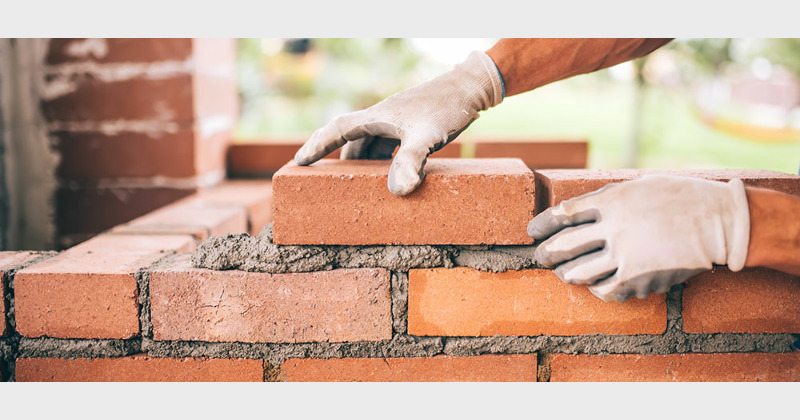
IISc researchers have devised a method for producing alkali-activated bricks/blocks by utilising fly ash and furnace slag.


New Delhi: Energy efficiency brings various benefits, including reducing greenhouse gas emissions, reducing demand for energy imports, and lowering costs on a household and economy-wide level. Emphasis is placed on energy-efficient design and construction of energy-efficient buildings without compromising the comfort of the occupants of such buildings. However, developing effective materials is needed for this purpose.

Researchers at the Indian Institute of Science (IISc), Bangalore, have developed a technology to produce energy-efficient walling materials using construction and demolition waste and alkali-activated binders. These are called low carbon bricks, do not require high-temperature firing, and avoid using high-energy materials such as Portland cement. The technology will also solve the disposal problems associated with C&D waste mitigation, said the Ministry of Science & Technology statement, released on Thursday (September 16).

IISc researchers have devised a method for producing alkali-activated bricks/blocks by utilising fly ash and furnace slag. They developed low embodied carbon bricks from construction and demolition waste through an alkali activation process using fly ash and ground slag and characterising the thermal, structural, and durability characteristics of Low carbon bricks and their masonry.

After ascertaining the Physico-chemical and compaction characteristics of the construction and demolition waste, the optimum mix ratios of the materials were obtained. Then the production process was evolved to produce low carbon bricks. Based on the optimum binder proportions, the compressed bricks were manufactured. The bricks were examined for engineering characteristics.

The masonry units are manufactured either through the process of firing or using high-energy/embodied carbon binders, such as Portland cement. The annual consumption of bricks and blocks in India is about 900 million tonnes. Besides, the construction industry generates vast amounts (70–100 million tonnes per annum) of construction and demolition waste.

“To promote sustainable construction, two important issues need to be addressed while manufacturing the masonry units–conserving mined raw material resources and emission reduction, researchers,” said researchers.

“A start-up has been registered which will be functional within 6-9 months to manufacture low carbon bricks and blocks with the technical support from IISc. The start-up unit will act as a technology dissemination unit through training, capacity building, and providing technical know-how for establishing such commercial units across India,” remarked Prof. B V Venkatarama Reddy, IISc Bangalore.

Conventionally, building envelopes consist of masonry walls built with burnt clay bricks, concrete blocks, hollow clay blocks, fly ash bricks, lightweight blocks, and so on. The envelopes spend energy during their production, thus incurring carbon emission (i.e., possess embodied carbon) consume mined raw material resources which lead to unsustainable constructions.

The major beneficiary of this development undertaken by IISc, Bangalore, with funding from the Department of Science and Technology (DST), Govt. of India, is the construction industry in general and the building sector in particular. This technology will also mitigate the disposal problems associated with construction and demolition wastes. 
 

Courtesy: India Science Wire

ShareTweetSendShareSend
✮ Subscribe Organiser YouTube Channel. ✮
✮ Join Organiser's WhatsApp channel for Nationalist views beyond the news. ✮
Previous News

Jaishankar meets Chinese FM, says Beijing must give up third country prism

Next News

India is keen to keep a good and ‘historical bond’ with the ‘Afghan people’ but has strong reservations about recognizing the Taliban.

Related News

Andhra Pradesh Chief Minister N. Chandrababu Naidu inaugurates the Jonnagiri Gold Mining Project in Kurnool district

Andhra Pradesh: CM Chandrababu Naidu lunches first major gold mining project in Kurnool district

AI-generated image for representation

Tamil Nadu: School teacher faces action over alleged humiliation of menstruating student

Cochin Shipyard (File Photo)

Keralam: ‘I Love Pakistan’ inscription found inside vessel at Cochin Shipyard; Central agencies launch probe

BJP national spokesperson Pradeep Bhandari

Karnataka: BJP accuses Kharge family of illegally acquiring government land worth over Rs 100 crore

Elomi Global Worship Centre in Omalloor, Pathanamthitta district ; Pastor Binu Vazhakkuttom (Left to Right)

Keralam: Child abuse allegations at Pentecostal worship centre in Pathanamthitta; locals demand Pastor Binu’s arrest

Modi Govt’s Tourism Revolution: 183 projects, Rs 9,225 crore investment & rise of India’s cultural & spiritual circuits

Load More

Latest News

Andhra Pradesh Chief Minister N. Chandrababu Naidu inaugurates the Jonnagiri Gold Mining Project in Kurnool district

Andhra Pradesh: CM Chandrababu Naidu lunches first major gold mining project in Kurnool district

AI-generated image for representation

Tamil Nadu: School teacher faces action over alleged humiliation of menstruating student

Cochin Shipyard (File Photo)

Keralam: ‘I Love Pakistan’ inscription found inside vessel at Cochin Shipyard; Central agencies launch probe

BJP national spokesperson Pradeep Bhandari

Karnataka: BJP accuses Kharge family of illegally acquiring government land worth over Rs 100 crore

Elomi Global Worship Centre in Omalloor, Pathanamthitta district ; Pastor Binu Vazhakkuttom (Left to Right)

Keralam: Child abuse allegations at Pentecostal worship centre in Pathanamthitta; locals demand Pastor Binu’s arrest

Modi Govt’s Tourism Revolution: 183 projects, Rs 9,225 crore investment & rise of India’s cultural & spiritual circuits

Padma Awards 2026: Tamil Nadu’s distinguished achievers receive national honours

India’s history is not merely a tale of foreign domination but also a remarkable story of resilience, resistance & civilisational continuity

Indian History: Not just foreign rule, but a timeless story of resistance, self-respect and civilisational resilience

From $10 Billion to $190 Billion: Indian Bioeconomy Touches New Heights in 12 Years

From $10 Billion to $190 Billion: India’s Bioeconomy leads a 12-Year science revolution

Nagpur | Acceptance of Bharatiya civilisational values is steadily increasing worldwide: Shanta Kumari

Load More
  • Privacy
  • Terms
  • Cookie Policy
  • Refund and Cancellation
  • Delivery and Shipping

© Bharat Prakashan (Delhi) Limited.
Tech-enabled by Ananthapuri Technologies

  • Home
  • Search Organiser
  • Bharat
    • Assam
    • Bihar
    • Chhattisgarh
    • Jharkhand
    • Maharashtra
    • View All States
  • World
    • Asia
    • Africa
    • North America
    • South America
    • Europe
    • Australia
  • Editorial
  • Operation Sindoor
  • Opinion
  • Analysis
  • Defence
  • Culture
  • Sports
  • Business
  • RSS @ 100
  • Entertainment
  • More ..
    • Sci & Tech
    • Vocal4Local
    • Special Report
    • Education
    • Employment
    • Books
    • Interviews
    • Travel
    • Health
    • Politics
    • Law
    • Economy
    • Obituary
  • Subscribe Magazine
  • Read Ecopy
  • Advertise
  • Circulation
  • Careers
  • About Us
  • Contact Us
  • Policies & Terms
    • Privacy Policy
    • Cookie Policy
    • Refund and Cancellation
    • Terms of Use

© Bharat Prakashan (Delhi) Limited.
Tech-enabled by Ananthapuri Technologies