Remembering the fallen while creating an efficient healthcare system
June 11, 2026
  • Read Ecopy
  • Circulation
  • Advertise
  • Careers
  • About Us
  • Contact Us
Android AppiPhone AppArattai
Organiser
  • ‌
  • Bharat
    • Assam
    • Bihar
    • Chhattisgarh
    • Jharkhand
    • Maharashtra
    • View All States
  • World
    • Asia
    • Europe
    • North America
    • South America
    • Africa
    • Australia
  • Editorial
  • International
  • Opinion
  • RSS @ 100
  • More
    • Op Sindoor
    • Analysis
    • Sports
    • Defence
    • Politics
    • Business
    • Economy
    • Culture
    • Special Report
    • Sci & Tech
    • Entertainment
    • G20
    • Azadi Ka Amrit Mahotsav
    • Vocal4Local
    • Web Stories
    • Education
    • Employment
    • Books
    • Interviews
    • Travel
    • Law
    • Health
    • Obituary
  • Subscribe
    • Subscribe Print Edition
    • Subscribe Ecopy
    • Read Ecopy
  • ‌
  • Bharat
    • Assam
    • Bihar
    • Chhattisgarh
    • Jharkhand
    • Maharashtra
    • View All States
  • World
    • Asia
    • Europe
    • North America
    • South America
    • Africa
    • Australia
  • Editorial
  • International
  • Opinion
  • RSS @ 100
  • More
    • Op Sindoor
    • Analysis
    • Sports
    • Defence
    • Politics
    • Business
    • Economy
    • Culture
    • Special Report
    • Sci & Tech
    • Entertainment
    • G20
    • Azadi Ka Amrit Mahotsav
    • Vocal4Local
    • Web Stories
    • Education
    • Employment
    • Books
    • Interviews
    • Travel
    • Law
    • Health
    • Obituary
  • Subscribe
    • Subscribe Print Edition
    • Subscribe Ecopy
    • Read Ecopy
Organiser
  • Home
  • Bharat
  • World
  • Operation Sindoor
  • Editorial
  • Analysis
  • Opinion
  • Culture
  • Defence
  • International Edition
  • RSS @ 100
  • Magazine
  • Read Ecopy
Home Bharat

Remembering the fallen while creating an efficient healthcare system

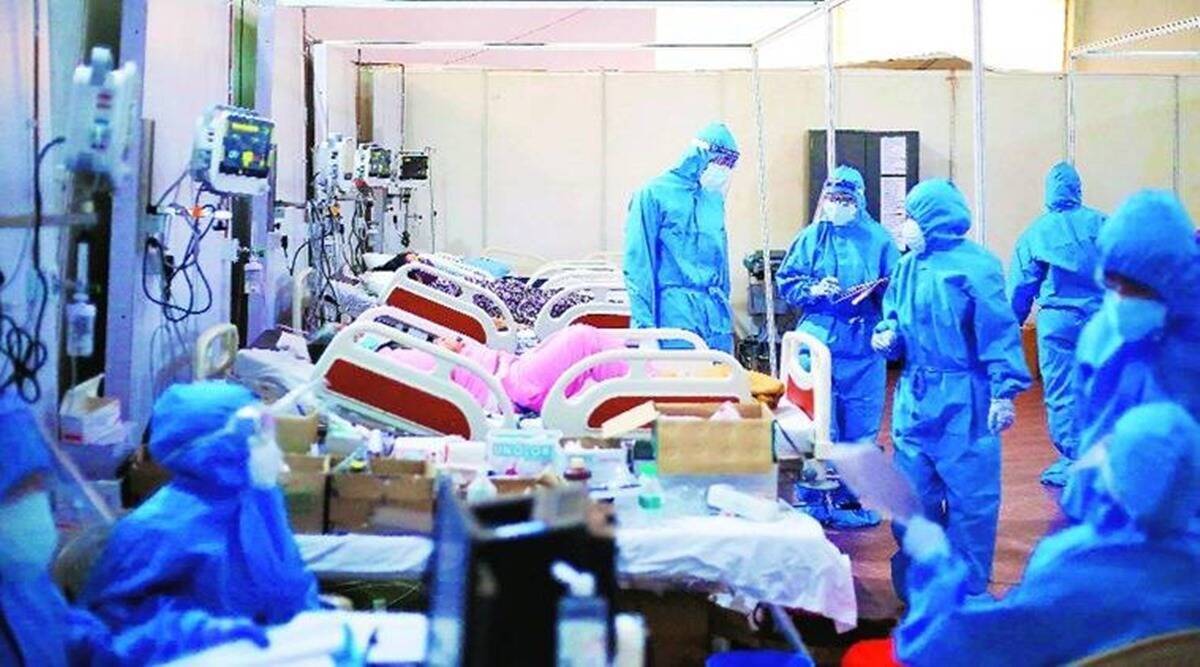
Two hundred and twenty thousand and counting. The deaths and infection rates in the second wave of the Covid pandemic has transformed into a tsunami and exerting considerable pressures on the health system

Archive ManagerArchive Manager
May 6, 2021, 02:06 pm IST
in Bharat
Follow on Google News
FacebookTwitterWhatsAppTelegramEmail

China_1  H x W:
Prof. P R Kumaraswamy
 
Two hundred and twenty thousand and counting. The deaths and infection rates in the second wave of the Covid pandemic has transformed into a tsunami and exerting considerable pressures on the health system. Millions have been infected, lost their livelihood and hopes and will carry irreparable mental and physical scars for years to come. Those who survived will carry the burden of losing their loved ones, unable to attend their cremation or burial, not seeing the faces of dear ones for one last time or not organising a decent farewell. The scars will stay until their own final moments.
 
Most died needlessly in the virus that originated in China. They know the society and system let them down at the most critical moment. Most also knew why they were dying; for want of medicines, hospital bed, oxygen cylinders or simple compassion. The thousands who lost their lives will never come back. But let their deaths not be in vain.
Let us learn from their deaths; from their isolation from their families during their dying moments; from their last-minute running around for live-saving support; from their pains of not giving a decent farewell to their near and dear; and from the numbness due to the sudden disappearance of scores of friends and family members.
 
As individuals, society and state, let us learn something positive from their avoidable deaths. Let us go beyond the usual rituals of anniversaries, memorials or christening of official programmes. These are neither appropriate nor adequate. We need to go beyond the usual symbolisms that we are accustomed to. Grandeur memorials never stop future miseries, but foresighted policies will minimise revisiting pains.
 
Three things are important if we avoid the repeat of a similar crisis in future. One, Covid exposed the limitations of our health system and its inability to foresee things even after the pandemic outbreak in January last year. Both as a preventive measure and crisis management phase, the health system has been modernised. Super-speciality hospitals are good, but the primary health care system has to be available across the country. For example, vaccine development and seamless distribution should go tandem and simultaneously. Rather than making people running around for different hospitals and pharmacies, a 911-type centralised but efficient response mechanism has to be in place. An effective and efficient system will save time, energy and, above all, lives.
 
Health care is also the economy of the country. All policies have to be geared to ensure the minimum health security for all Indians, and this would mean both preventive care and post-illness response. Sources of illness have to be identified and tackled before outbreak, if we were to avoid a huge healthcare bills later.
 
Two, to ensure universal healthcare, we need to project Swachh Bharat as a health agenda and incentify its adherence. Proper and efficient recycling will not only improve the environment but also prevent scores of diseases and potential healthcare bills. Reward the adherents and punish the violators; from smokers in public to polluters of rivers, no one should go unpunished. Stricter enforcement of Swachh Bharat will promote the health of the country, both physical and financial.
 
Three, the prolonged lockdown has underscored the need for digital India. One year would have been sufficient to transform the entire country into the digital mode. This would eliminate the digital divide in the education sector and remove the current barriers between children living in the metropolis and far-flung areas with limited or no network connectivity. Lockdown and Wifi India are two sides of the same coin; one cannot survive without the other.
 
Digital India will also be an incentive for the digital economy. Online transactions reduce the burden of printing, transferring, safeguarding and recirculating hard currencies and hence Reserve Bank must provide rebates to all online transactions. Rather than imposing limits on hard currency transactions, why not induce digital transactions. People always find ways to circumvent the former, but the latter is financially attractive.
 
The health of the individuals and the society are interlinked. The former needs an efficient and rapid-action health care system with the last-mile delivery. The health of the national economy rests on cutting down bureaucratic cobwebs and incentifying business activities. While governments cannot shoulder all the burdens, it should become an efficient regulator than a producer of goods and services. An efficient health care system that raises to the occasion and does not leave anyone on the battlefield will be an appropriate tribute to the thousands of people who died needlessly to the pandemic.

ShareTweetSendShareSend
✮ Subscribe Organiser YouTube Channel. ✮
✮ Join Organiser's WhatsApp channel for Nationalist views beyond the news. ✮
Previous News

Post-covid policy changes must first address the shortage of doctors

Next News

Union Minister V Muraleedharan Attacked by TMC Cadre in West Bengal Police’s Presence

Related News

(Left) Six Naga Civilians who were killed (Right)Hundreds of grief-stricken people at the Jawaharlal Institute of Medical Sciences (JNIMS) in Imphal East, where the mortal remains were taken to the mortuary

Tension Grips Manipur: Police recover mortal remains of 6 abducted Nagas killed by Kukis; UNC calls for shutdown

PM Narendra Modi addressing the NDA meeting

‘The problem was Congress, not Hindus’: PM Modi’s blistering attack, lists India’s milestones in last 12 years

Leader of Opposition R. Ashoka files complaint with Karnataka governor over scam in awarding tender for waste management

Karnataka Garbage Scam: BJP alleges Rs 36,000-crore of scandal, seeks CBI probe; Files complaint to governor

Assam: Auto driver Monowar Hussain arrested for molesting, attempting to rape tribal woman passenger in Guwahati

The world recognises unprecedented growth in digital infrastructure during the 12 years of Modi's government

12 Years of Modi Government: How India built one of the world’s largest digital public infrastructure ecosystems

The image of alleged "Kolkotta Bayee" Jewel King living at Pathanamthitta

Keralam: WhatsApp status reveals illegal Bangladeshi who lived in Pathanamthitta for five years as ‘Kolkotta Bayee’

Load More

Latest News

(Left) Six Naga Civilians who were killed (Right)Hundreds of grief-stricken people at the Jawaharlal Institute of Medical Sciences (JNIMS) in Imphal East, where the mortal remains were taken to the mortuary

Tension Grips Manipur: Police recover mortal remains of 6 abducted Nagas killed by Kukis; UNC calls for shutdown

PM Narendra Modi addressing the NDA meeting

‘The problem was Congress, not Hindus’: PM Modi’s blistering attack, lists India’s milestones in last 12 years

Leader of Opposition R. Ashoka files complaint with Karnataka governor over scam in awarding tender for waste management

Karnataka Garbage Scam: BJP alleges Rs 36,000-crore of scandal, seeks CBI probe; Files complaint to governor

Assam: Auto driver Monowar Hussain arrested for molesting, attempting to rape tribal woman passenger in Guwahati

The world recognises unprecedented growth in digital infrastructure during the 12 years of Modi's government

12 Years of Modi Government: How India built one of the world’s largest digital public infrastructure ecosystems

The image of alleged "Kolkotta Bayee" Jewel King living at Pathanamthitta

Keralam: WhatsApp status reveals illegal Bangladeshi who lived in Pathanamthitta for five years as ‘Kolkotta Bayee’

Following TMC’s defeat in 2026 West Bengal Assembly election, speculation grew that its MPs were moving towards the NDA under BJP pressure

Why TMC MPs are looking towards the NDA: Examining the electoral arithmetic behind the political shift

Father dies on the day of daughter's Nikah over dispute over Mehar amount in Uttarakhand

Uttarakhand: Bride’s father dies of heart attack amid pressure and dispute over mehar amount in nikah

India has been transformed by major advances in digital governance, financial inclusion, and global influence under Modi govt

India After 12 Years of Modi: A record, revolution and remaining challenges

Will CM Joseph Vijay preserve Tamil Nadu’s priceless temple heritage as artefacts decay in Egmore museum

Load More
  • Privacy
  • Terms
  • Cookie Policy
  • Refund and Cancellation
  • Delivery and Shipping

© Bharat Prakashan (Delhi) Limited.
Tech-enabled by Ananthapuri Technologies

  • Home
  • Search Organiser
  • Bharat
    • Assam
    • Bihar
    • Chhattisgarh
    • Jharkhand
    • Maharashtra
    • View All States
  • World
    • Asia
    • Africa
    • North America
    • South America
    • Europe
    • Australia
  • Editorial
  • Operation Sindoor
  • Opinion
  • Analysis
  • Defence
  • Culture
  • Sports
  • Business
  • RSS @ 100
  • Entertainment
  • More ..
    • Sci & Tech
    • Vocal4Local
    • Special Report
    • Education
    • Employment
    • Books
    • Interviews
    • Travel
    • Health
    • Politics
    • Law
    • Economy
    • Obituary
  • Subscribe Magazine
  • Read Ecopy
  • Advertise
  • Circulation
  • Careers
  • About Us
  • Contact Us
  • Policies & Terms
    • Privacy Policy
    • Cookie Policy
    • Refund and Cancellation
    • Terms of Use

© Bharat Prakashan (Delhi) Limited.
Tech-enabled by Ananthapuri Technologies