A study of networking to influence policy forays
September 13, 2026
  • Read Ecopy
  • Circulation
  • Advertise
  • Careers
  • About Us
  • Contact Us
Android AppiPhone AppArattai
Organiser
  • ‌
  • Bharat
    • Assam
    • Bihar
    • Chhattisgarh
    • Jharkhand
    • Maharashtra
    • View All States
  • World
    • Asia
    • Europe
    • North America
    • South America
    • Africa
    • Australia
  • Editorial
  • International
  • Opinion
  • RSS @ 100
  • More
    • World Hindu Congress 2026
    • Op Sindoor
    • Analysis
    • Sports
    • Defence
    • Politics
    • Business
    • Economy
    • Culture
    • Special Report
    • Sci & Tech
    • Entertainment
    • G20
    • Azadi Ka Amrit Mahotsav
    • Vocal4Local
    • Web Stories
    • Education
    • Employment
    • Books
    • Interviews
    • Travel
    • Law
    • Health
    • Obituary
  • Subscribe
    • Subscribe Print Edition
    • Subscribe Ecopy
    • Read Ecopy
  • ‌
  • Bharat
    • Assam
    • Bihar
    • Chhattisgarh
    • Jharkhand
    • Maharashtra
    • View All States
  • World
    • Asia
    • Europe
    • North America
    • South America
    • Africa
    • Australia
  • Editorial
  • International
  • Opinion
  • RSS @ 100
  • More
    • World Hindu Congress 2026
    • Op Sindoor
    • Analysis
    • Sports
    • Defence
    • Politics
    • Business
    • Economy
    • Culture
    • Special Report
    • Sci & Tech
    • Entertainment
    • G20
    • Azadi Ka Amrit Mahotsav
    • Vocal4Local
    • Web Stories
    • Education
    • Employment
    • Books
    • Interviews
    • Travel
    • Law
    • Health
    • Obituary
  • Subscribe
    • Subscribe Print Edition
    • Subscribe Ecopy
    • Read Ecopy
Organiser
  • Home
  • Bharat
  • World
  • Operation Sindoor
  • Editorial
  • Analysis
  • Opinion
  • Culture
  • Defence
  • International Edition
  • RSS @ 100
  • Magazine
  • Read Ecopy
Home Bharat

A study of networking to influence policy forays

In the early 21st century, just as it did in the late 19th, economies in general assumed that individuals operate autonomously, isolated from the direct influences of others. The industrial chose from the alternatives available according to his or her own preference.

Archive ManagerArchive Manager
Dec 3, 2012, 02:32 pm IST
inBharat
Follow on Google News
Facebook
Twitter
WhatsAppTelegramEmail

Nidhi Mathur
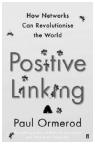
$img_titlePositive Linking: How Networks can Revolutionise the World
, Paul Ormerod, Faber and Faber Limited, Pp 308, £ 12.99

In the early 21st century, just as it did in the late 19th, economies in general assumed that individuals operate autonomously, isolated from the direct influences of others. The industrial chose from the alternatives available according to his or her own preference. This theory is no longer sustainable. The choices people make, their attitudes, their opinions are influenced directly by other people. The medium through which this influence spreads is the social network. Often, social networks are through of as purely a web-based phenomenon – sites such as Facebook.

Our social and economic worlds have been revolutionised. The internet has transformed communications and for the first time in human history, more and more people have come to live in cities. These can indeed influence behaviour, but it is real-life social networks – family, friends, colleagues – that are even more important in helping us shape our preferences and beliefs, what we like and what we don’t.

Network effects the fact that a person can and often does decide to change his or her preferences simply on the basis of what others do, pervade the modern world. Throughout history, human behaviour shows the propensity to copy or imitate the behaviour, choices and opinions of others. Today, we can see it in the behaviour of traders on financial markets, where the tendency to follow the herd can lead to the booms and crashes we have lately experienced.

In September 2008, Lehman Brothers went bankrupt, precipitating a crisis which almost led to a total collapse of the world economy and a repeat of the Great Depression of the 1930s. It was precisely because Lehman was connected via a network to other banks that made the situation so serious. Lehman’s failure could easily have led to a cascade of bankruptcies, first in those institutions to which Lehman owed money, but strangely neither the system of financial regulations nor the mainstream economics thought of such a possibility.

In this book the author explores the implications of the network effects. He says incentives are still a driver of human behaviour but network effects can be far more powerful as the author shows through examples in which network effects have completely swamped the impact of incentives, leading to outcomes completely different from those intended by policy makers.

Network effects require policy makers, whether in the public or corporate spheres to change radically their view of how the world operates.

(Faber and Faber Limited, Bloomsbury House, 74-77, Great Russell Street, London WC1B 3DA; www.faber.co.uk)

Share
Tweet
SendShareSend
✮ Subscribe Organiser YouTube Channel. ✮
✮ Join Organiser's WhatsApp channel for Nationalist views beyond the news. ✮
Previous News

Designs in bamboo: A traditional art

Next News

Hinduism a way of life

Related News

(Left) Naga leader Dr. S. C. Jamir: (Right) RSS Sarsanghchalak Dr Mohan Bhagwat

Bridging Perspectives: Dr SC Jamir meets RSS’ Dr Bhagwat, highlights mutual respect, secularism, and Naga aspirations

Tiger Bright coffee from Koraput’s tribal farmers featured in BRICS Summit media kits in New Delhi

From Eastern Ghats to BRICS: Koraput Coffee puts Odisha’s tribal enterprise on global map

The RSS has spent a century building influence through organisation, social networks and ideological formation beyond the electoral arena

RSS at 100: How the Sangh built a century-long network of influence beyond Indian politics

India on a Platter: BRICS Dinner Menu Celebrates Regional Culinary Heritage

BRICS Dinner Menu: From Khandvi, mushroom kebabs to pulao global leaders get a taste of Bharat’s culinary heritage

Exterior of the Lokayukta Building

Karnataka Lokayukta records 1,248 cases in four years, 887 linked to bribery

RSS Akhil Bharatiya Karyakarini Sadasya Dr Manmohan Vaidya at a Pramukh Jan Samvad Sangosthi organised by Kashi Mahanagar on the occasion of the RSS Centenary Year,

Entire society must unite with a sense of oneness; This Is the spirit of Sangh Work: Dr Manmohan Vaidya

Load More

Latest News

(Left) Naga leader Dr. S. C. Jamir: (Right) RSS Sarsanghchalak Dr Mohan Bhagwat

Bridging Perspectives: Dr SC Jamir meets RSS’ Dr Bhagwat, highlights mutual respect, secularism, and Naga aspirations

Tiger Bright coffee from Koraput’s tribal farmers featured in BRICS Summit media kits in New Delhi

From Eastern Ghats to BRICS: Koraput Coffee puts Odisha’s tribal enterprise on global map

The RSS has spent a century building influence through organisation, social networks and ideological formation beyond the electoral arena

RSS at 100: How the Sangh built a century-long network of influence beyond Indian politics

India on a Platter: BRICS Dinner Menu Celebrates Regional Culinary Heritage

BRICS Dinner Menu: From Khandvi, mushroom kebabs to pulao global leaders get a taste of Bharat’s culinary heritage

Exterior of the Lokayukta Building

Karnataka Lokayukta records 1,248 cases in four years, 887 linked to bribery

RSS Akhil Bharatiya Karyakarini Sadasya Dr Manmohan Vaidya at a Pramukh Jan Samvad Sangosthi organised by Kashi Mahanagar on the occasion of the RSS Centenary Year,

Entire society must unite with a sense of oneness; This Is the spirit of Sangh Work: Dr Manmohan Vaidya

‘Samuel Could Never Do This’: Mother Rejects Blasphemy Allegations Against Son in Lahore

Pakistan Blasphemy Case: Mother of Christian man Samuel Arif claims false implication, seeks justice

Prime Minister Narendra Modi, along with Chinese President Xi Jinping, Russian President Vladimir Putin and other world leaders, poses for a picture at a joint tree plantation initiative during the BRICS Summit

BRICS Summit 2026: India as the voice of Global South, shared responsibilities & scripting inclusive world order

Chinese President Xi Jinping and Prime Minister Narendra Modi

BRICS Summit 2026: PM Modi hold talks with President Xi; Stresses border peace & tranquility as key to India-China ties

Tamil Nadu: Hindu Munnani flags TVK govt’s restrictions on Vinayaka pandals, barring women, children from processions

Load More
  • Privacy
  • Terms
  • Cookie Policy
  • Refund and Cancellation
  • Delivery and Shipping

© Bharat Prakashan (Delhi) Limited.
Tech-enabled by Ananthapuri Technologies

  • Home
  • Search Organiser
  • Bharat
    • Assam
    • Bihar
    • Chhattisgarh
    • Jharkhand
    • Maharashtra
    • View All States
  • World
    • Asia
    • Africa
    • North America
    • South America
    • Europe
    • Australia
  • Editorial
  • Operation Sindoor
  • Opinion
  • Analysis
  • Defence
  • Culture
  • Sports
  • Business
  • RSS @ 100
  • Entertainment
  • More ..
    • Sci & Tech
    • Vocal4Local
    • Special Report
    • Education
    • Employment
    • Books
    • Interviews
    • Travel
    • Health
    • Politics
    • Law
    • Economy
    • Obituary
  • Subscribe Magazine
  • Read Ecopy
  • Advertise
  • Circulation
  • Careers
  • About Us
  • Contact Us
  • Policies & Terms
    • Privacy Policy
    • Cookie Policy
    • Refund and Cancellation
    • Terms of Use

© Bharat Prakashan (Delhi) Limited.
Tech-enabled by Ananthapuri Technologies