Modi Model double digit Agriculture growth
June 25, 2026
  • Read Ecopy
  • Circulation
  • Advertise
  • Careers
  • About Us
  • Contact Us
Android AppiPhone AppArattai
Organiser
  • ‌
  • Bharat
    • Assam
    • Bihar
    • Chhattisgarh
    • Jharkhand
    • Maharashtra
    • View All States
  • World
    • Asia
    • Europe
    • North America
    • South America
    • Africa
    • Australia
  • Editorial
  • International
  • Opinion
  • RSS @ 100
  • More
    • Op Sindoor
    • Analysis
    • Sports
    • Defence
    • Politics
    • Business
    • Economy
    • Culture
    • Special Report
    • Sci & Tech
    • Entertainment
    • G20
    • Azadi Ka Amrit Mahotsav
    • Vocal4Local
    • Web Stories
    • Education
    • Employment
    • Books
    • Interviews
    • Travel
    • Law
    • Health
    • Obituary
  • Subscribe
    • Subscribe Print Edition
    • Subscribe Ecopy
    • Read Ecopy
  • ‌
  • Bharat
    • Assam
    • Bihar
    • Chhattisgarh
    • Jharkhand
    • Maharashtra
    • View All States
  • World
    • Asia
    • Europe
    • North America
    • South America
    • Africa
    • Australia
  • Editorial
  • International
  • Opinion
  • RSS @ 100
  • More
    • Op Sindoor
    • Analysis
    • Sports
    • Defence
    • Politics
    • Business
    • Economy
    • Culture
    • Special Report
    • Sci & Tech
    • Entertainment
    • G20
    • Azadi Ka Amrit Mahotsav
    • Vocal4Local
    • Web Stories
    • Education
    • Employment
    • Books
    • Interviews
    • Travel
    • Law
    • Health
    • Obituary
  • Subscribe
    • Subscribe Print Edition
    • Subscribe Ecopy
    • Read Ecopy
Organiser
  • Home
  • Bharat
  • World
  • Operation Sindoor
  • Editorial
  • Analysis
  • Opinion
  • Culture
  • Defence
  • International Edition
  • RSS @ 100
  • Magazine
  • Read Ecopy
Home General

Modi Model double digit Agriculture growth

Archive ManagerArchive Manager
Jan 28, 2012, 12:00 am IST
in General
Follow on Google News
FacebookTwitterWhatsAppTelegramEmail

A Matter Of Economics

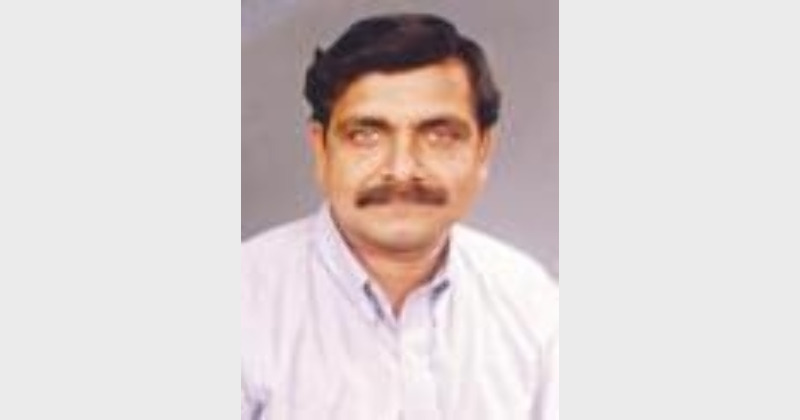
By Dr R. Balashankar

To do things differently one has to think differently. Gujarat’s agriculture miracle is replete with stories of innovation in a traditional area which modern development experts dismiss as impediments to growth.

Area under agriculture has to come down, more and more urbanization is the way to development, massive migration of agriculture labourers and farmers to cities is a must for economic growth and farming cannot be profitable in an agrarian economy – these are some of the oft repeated arguments in development economics. Rural poverty has made farmer suicides passé and an estimated half million farmers have committed suicide in India in the last one decade. But during the same decade there was not a single incident of farmer suicide in Gujarat, and the farmers there are growing richer by the day, making huge profits from their farm products and this is no fairy tale. Gujarat chief minister Narendra Modi says, during a recent visit to one of the tribal districts the tribals engaged in agriculture asked him to build not tarred roads, but smooth highway-like concrete roads so that their fruits and banana consignments won’t get damaged while transporting to nearby market place. He cited this as a sign of their soaring aspiration.

Modi thought of every aspect of agriculture when he launched his double digit farm growth trajectory. Soil, water, seed, manure, pesticide, rural roads, soil testing labs, power supply, internet connectivity, marketing technique and weather forecast were put in place before embarking on the grand mission. That is why Gujarat model can be adopted by other states and India can successfully confront the challenge of poverty. Bt. Cotton has many promising stories to tell. Equally depressing stories of farmer suicide, crop failure and poor resistance to pests despite its contrary claims are legion. High seed price is another commonly heard complaint. But in Gujarat the Bt.Cotton trial has so far been successful.

Two examples will  explain how Gujarat wrote its script differently where others attempted and failed. These are taken from the valuable study of Ravindra H. Dholakia and Samar K. Datta( High Growth Trajectory and Structural Changes in Gujarat Agriculture).

For long farmers of Gujarat could not make agriculture profitable because of water scarcity. Half the state in the Saurashtra region was known as drought hit and migration of people in search of livelihood was a regular feature. It was the determined, war-like perseverance of Narendra Modi that ensured the arrival of Narmada water for drinking and irrigation on the parched fields of the state. He brought the Narmada water and replenished even the Sabarmati river. Hundreds of canals brought water to the remotest corners.


Modi thought of every aspect of agriculture when he launched his double digit farm growth trajectory. Soil, water, seed, manure, pesticide, rural roads, soil testing labs, power supply, internet connectivity, marketing technique and weather forecast were put in place before embarking on the grand mission. That is why Gujarat model can be adopted by other states and India can successfully confront the challenge of poverty.


Another big experiment was in check dams.  Khopala village of Bhavnagar district in Gujarat provides a typical model for check dams and ponds. Before the onset of monsoon in 1999, the villagers constructed 200 check dams and 10 village tanks within a record period of six months. This recharged the water tables in the range of 20 to 50 feet. And made possible to take up kharif crops for the first time. Farmers, who had not grown rabi crops for the past 25 years, also started cultivating rabi crops. Instead of distressed out-migration, which had continued for almost two decades, people were thinking of returning to their villages. Process of reverse migration was prompted by water harvesting technology which provided much better rewards from agriculture.

Jyotirgram Yojana, ensuring regular power supply, made it possible to establish diamond units within the village itself. The rest is history. The success story of constructing check dams —recharging wells and construction and deepening of wells — is now widely replicated. It is worth recalling how perceptions of the people change in the face of determined and sustained effort. The Agriculture Commission (1990), not so long ago, during its visits to districts of Saurashtra, Kutch and North Gujarat, had invariably checked the status of check dams. Almost everywhere, the check dams were found to be in poor condition and non functional. Till 2000 neither the officials nor the farmers believed in the effectiveness of check dams as a source of irrigation. The existing ones were all in poor condition. It needed a Modi to inspire confidence and initiative. The farmers of Saurashtra, Kutch and North Gujarat often used to say, “Give us only water and we are capable of managing the rest.” The water crisis in the parched regions was becoming so serious that it threatened the very survival of farmers and farming.  The Narmada project was languishing for over four decades because of NGO protests, litigation and non-availability of funds. Modi changed all that and took up the challenge on mission mode. The hard working and enterprising farmers realized the time was ripe for Jal Kranti. Once the potential of this programme was recogni-sed, it spread like wild fire. The efforts made by the farmers, government and non-governmental orga-nisations paid rich dividends in subsequent years. By the end of December 2008, a total of 1,13,738 check dams, 55,917 bori bandhs and 2,40,199 farm ponds were constructed. Over and above this, 62,532 large and small check dams were constructed directly by the Water Resources Department. Gujarat was ready for the new century green revolution.


ShareTweetSendShareSend
✮ Subscribe Organiser YouTube Channel. ✮
✮ Join Organiser's WhatsApp channel for Nationalist views beyond the news. ✮
Previous News

Elections should become a celebration of democracy

Next News

BJP emerges the only alternative

Related News

Andhra Pradesh Chief Minister N. Chandrababu Naidu inaugurates the Jonnagiri Gold Mining Project in Kurnool district

Andhra Pradesh: CM Chandrababu Naidu lunches first major gold mining project in Kurnool district

AI-generated image for representation

Tamil Nadu: School teacher faces action over alleged humiliation of menstruating student

Cochin Shipyard (File Photo)

Keralam: ‘I Love Pakistan’ inscription found inside vessel at Cochin Shipyard; Central agencies launch probe

BJP national spokesperson Pradeep Bhandari

Karnataka: BJP accuses Kharge family of illegally acquiring government land worth over Rs 100 crore

Elomi Global Worship Centre in Omalloor, Pathanamthitta district ; Pastor Binu Vazhakkuttom (Left to Right)

Keralam: Child abuse allegations at Pentecostal worship centre in Pathanamthitta; locals demand Pastor Binu’s arrest

Modi Govt’s Tourism Revolution: 183 projects, Rs 9,225 crore investment & rise of India’s cultural & spiritual circuits

Load More

Latest News

Andhra Pradesh Chief Minister N. Chandrababu Naidu inaugurates the Jonnagiri Gold Mining Project in Kurnool district

Andhra Pradesh: CM Chandrababu Naidu lunches first major gold mining project in Kurnool district

AI-generated image for representation

Tamil Nadu: School teacher faces action over alleged humiliation of menstruating student

Cochin Shipyard (File Photo)

Keralam: ‘I Love Pakistan’ inscription found inside vessel at Cochin Shipyard; Central agencies launch probe

BJP national spokesperson Pradeep Bhandari

Karnataka: BJP accuses Kharge family of illegally acquiring government land worth over Rs 100 crore

Elomi Global Worship Centre in Omalloor, Pathanamthitta district ; Pastor Binu Vazhakkuttom (Left to Right)

Keralam: Child abuse allegations at Pentecostal worship centre in Pathanamthitta; locals demand Pastor Binu’s arrest

Modi Govt’s Tourism Revolution: 183 projects, Rs 9,225 crore investment & rise of India’s cultural & spiritual circuits

Padma Awards 2026: Tamil Nadu’s distinguished achievers receive national honours

India’s history is not merely a tale of foreign domination but also a remarkable story of resilience, resistance & civilisational continuity

Indian History: Not just foreign rule, but a timeless story of resistance, self-respect and civilisational resilience

From $10 Billion to $190 Billion: Indian Bioeconomy Touches New Heights in 12 Years

From $10 Billion to $190 Billion: India’s Bioeconomy leads a 12-Year science revolution

Nagpur | Acceptance of Bharatiya civilisational values is steadily increasing worldwide: Shanta Kumari

Load More
  • Privacy
  • Terms
  • Cookie Policy
  • Refund and Cancellation
  • Delivery and Shipping

© Bharat Prakashan (Delhi) Limited.
Tech-enabled by Ananthapuri Technologies

  • Home
  • Search Organiser
  • Bharat
    • Assam
    • Bihar
    • Chhattisgarh
    • Jharkhand
    • Maharashtra
    • View All States
  • World
    • Asia
    • Africa
    • North America
    • South America
    • Europe
    • Australia
  • Editorial
  • Operation Sindoor
  • Opinion
  • Analysis
  • Defence
  • Culture
  • Sports
  • Business
  • RSS @ 100
  • Entertainment
  • More ..
    • Sci & Tech
    • Vocal4Local
    • Special Report
    • Education
    • Employment
    • Books
    • Interviews
    • Travel
    • Health
    • Politics
    • Law
    • Economy
    • Obituary
  • Subscribe Magazine
  • Read Ecopy
  • Advertise
  • Circulation
  • Careers
  • About Us
  • Contact Us
  • Policies & Terms
    • Privacy Policy
    • Cookie Policy
    • Refund and Cancellation
    • Terms of Use

© Bharat Prakashan (Delhi) Limited.
Tech-enabled by Ananthapuri Technologies