Women Empowerment, still unaccomplished
Women Empowerment, still unaccomplished
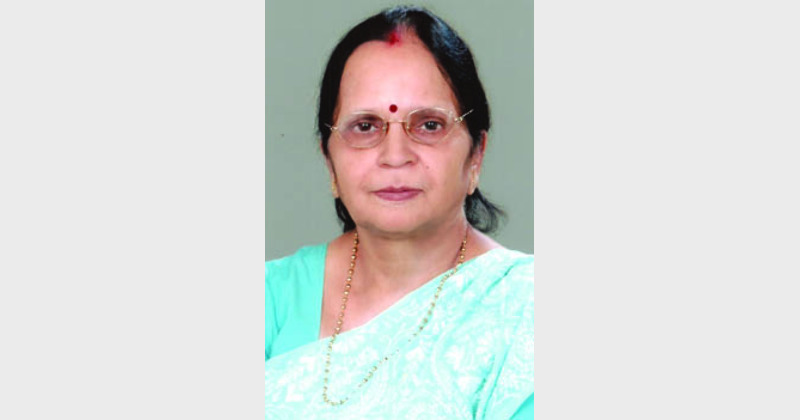
By Mridula Sinha
ABOUT six decades have passed since India got Independence. It is the desire of everybody to enjoy freedom in free India, whether men, women or children. Nobody likes bondage. Everybody wants freedom from others also. Married women have become more desirous for freedom. The wish of freedom indicates that who is not free, wants freedom. Call for the freedom of women explains itself that women did not enjoy freedom in the society. While dealing with the status ‘free’ we must understand the word freedom. One is enjoying freedom means he or she is free to take decisions about his or her life. Freedom means no binding, no responsibility. Women have been performing the household responsibilities only. There was a work distribution among men and women. She was able to take decisions in domestic affairs. That’s why she was called Lakshmi of the house.
Although this was not the history of Indian women, even if she was in houses, the progress and saving of the house was fully depended on the good understanding of housewives. She used to take care of every member of the family including guests also, except herself. For example if in her poor kitchen only one glass of milk was available, she never took it, even if she fell ill and her body required nourishment. The male members of the families did not take care of the women on whom their lives were depended. In some families the male members did not know that their mother or wives were ill. This was the condition of women for few centuries. That’s why in 19th century when some awakened male members came up to reform the society, first of all women conditions caught their attention.
Mahatma Phule, Raja Ram Mohan Roy, Swami Dayananda Saraswati and their contemporaries thought that while going for reforming the society, first we must bring reforms in the life of women. They also realised the ancient saying of Vedas, “where women are worshiped, the God resides”. By bringing change in the lives of women the families will change. By bringing positive reforms in families, the whole society would change. They had faith in the ancient perception, belief and treatment of Indian society with women and they also remembered the free and equal status the Indian women were holding when the society was on peak of its progress. Women were viewed not only equal to men, but special one. Society gave due respect and opportunities to develop her qualities and women also devoted their energy, qualities and knowledge in the development of children, family members and society.
So the reformers of 19th century started educating women, realising that only education can bring radical changes in human being. They tried to ban the prevailing practices of child marriage and also promoted widow marriages. The problems of society needed reform and through changing the vision and status of women they were committed to bring change in the society. The changed group of women participated in the freedom movement. Gandhiji accepted their active support and participation in freedom movement.
There is a law to protect her in home also. That is called “Domestic Violence Act”. Again there is a Committee in every office to protect her womanhood. The educated women of society are now proceeding to take decisions of their own lives also. But, the question is, are women fearless from home to workplace, from road to mall? Answer will be a big No. She is free, but she is not enjoying the freedom. Let us examine, what are the causes?
First the concept of freedom of an individual has been taken wrongly. Both man and woman cannot be as free from each other as they think to be. In our ancient belief men and women were complementary to each other, and not competetor.
This has been explained through the ‘Ardhnareeshwar’, half Shiva and half Parvati. Where one cannot even imagine one's existence without another.
The aim of the reformers of 19th century was to educate women to bring prosperity and peace in families. But now education also aimed at making them tools for earning money. In a family both are earning hands. Their duties are not divided as was earlier. The wrong concept of equality has ruined the mind of women also. Naturally, both are tussling for their own status in families. In old concept women were axis of the family. They were called ijjat of male members especially husband. They were not free to move everywhere. Still they were treated as valuable person in the family.
Now in certain sections of the society, womenhood has become a commodity. They have lost their identity while trying to get it, she is afraid in her own home. She is neither free nor protected in her house itself. At least she thinks so. That is why the Parliament had to enact an Act called “Domestic Violence Act”. They are afraid of their male counterparts.
This is not the condition everywhere in society. Especially in urban society where the sections of women are enjoying more and more freedom while searching their status and freedom, they have forgotten that they have been the axis of the family. The whole family was dependent on them.
The media is trying to make them aware of their rights and role in families and their free status. But they are ruining their peace of mind. Knowingly or unknowingly the media and some of women activists are trying to give them their own status, snatching the cooperation, condition and respect from other members, especially male members of the family. She is standing alone in her house and workplace. Her loneliness brings fear in her mind.
The aim of the family or society is development of both man and woman. One cannot think of the development of man or woman alone to get desirous result. Women will enjoy the freedom only when they realise the role of men in their progress as father, husband or son.
(The writer is former Chairperson of Central Social Welfare Board)