During the Delhi cholera outbreaks of the 1960s, a quiet panic gripped the city’s households, directed at two very different targets: the municipal water tap and the kitchen floor. The actual killer was invisible—the Vibrio cholerae bacteria quietly seeping into homes through cracked, contaminated water pipes. But to families living through the crisis, the real, breathing terror wore a different face. It was the sudden, sickening surge of cockroaches scuttling across bathrooms and countertops. While they weren’t the biological cause of the epidemic, these hordes of pests became the visceral, visible proof of a broken city infrastructure. To see your kitchen invaded by them was to feel that the outside filth had finally breached the sanctuary of your home.
It is precisely this visceral disgust that the Cockroach Janta Party (CJP) has chosen to weaponise in 2026. The group uses the cockroach symbol to shock the public. They force people to pay attention to something they hate. For supporters the cockroach says: we survive, you cannot crush us. For outsiders it whispers: we are everywhere. Terror in swarms.
And the worst lie is that Gen-Z is sought to be made synonymous with cockroaches. This is grotesque. India’s innovation, its IT revolution, even the rise of AI runs on the shoulders and brains of Gen-Z. There is nothing cockroach-like about them. I say this repeatedly.
This is not the broom of 2011 which Kejriwal appropriated as a proletarian symbol of the working class to wash away his own elitist bourgeois identity after graduating from the prestigious IIT-Kharagpur. It is not the muffler which he wrapped around himself to look like a poor rickshaw-wallah braving Delhi’s cold wave. The cockroach is something darker: a creature of infestation deliberately provocative designed to unsettle. And crucially — it was chosen to erase the aura of elite respectability and replace it with defiance. But let us be clear: the cockroach is not a proletarian symbol. All sections of society find it disgusting cutting across class lines.
My Grandfather’s Warning
My grandfather, Vimal Prasad Jain, who fought with the Hindustan Republican Socialist Army, had a wonderfully simple test for political nomenclature. Looking at communist regimes that plastered the word “People” everywhere he would say: “Wherever the word ‘People’ is written, replace it with ‘Anti-People’.”
It was not a joke. It was a serious warning. The twentieth century was full of People’s Republics, People’s armies, people’s committees. The word “people” was everywhere. Freedom was not.
Placed against the cockroach symbol, his warning acquires new relevance. These so-called Communist outfits often talk about people’s welfare but when they come to power they may send those same people to gulags if they dare ask even a simple question.
First Came the Muffler
In 2011 India witnessed the extraordinary rise of the ‘India Against Corruption’ movement. Its proposition was almost impossible to oppose: ordinary citizens against corruption. Its central promise was the Jan Lokpal.
Arvind Kejriwal appeared wrapped in his muffler, deliberately styled like a cycle-rickshaw puller of Chandni Chowk in winter. The broom belonging to the proletariat was usurped by an IIT-educated engineer to project a “progressive” identity. Simple clothes became an image. The language was deliberately anti-VIP. The old political class was corrupt. The ordinary citizen had arrived to clean the system. And, eventually even the name of the party incorporated the claim: Aam Aadmi Party (AAP). The party of the common man, the proletariat.
From Protest to Power
When the Anna movement began, electoral politics was not presented as its destination. Then came the debate: remain outside the government and pressure the system or enter it directly? Kejriwal and his colleagues chose power through elections and founded AAP in 2012.
The Jan Lokpal faded. Controversies accumulated around governance, liquor policy and expenditure. Then came Sheesh Mahal. A movement built around austerity, suddenly faced allegations of extravagance. The visual transformation was devastatingly simple: muffler to mansion. The heads of the communist parties lived like lords but always in the name of being leaders of the working classes.
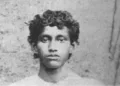
India’s freedom was not invented at a drama venue. It was written in the blood and sacrifice of Chandrashekhar Azad, Bhagat Singh and Batukeshwar Dutt and others
The more serious test was not architecture. It was freedom inside the political family itself. In 2024, AAP Rajya Sabha MP, Swati Maliwal, alleged assault inside the Chief Minister’s residence. Whatever the legal outcome, the symbolism was extraordinary: a senior woman leader alleging violence inside the residence of the movement’s most powerful figure.
The right to oppose your enemy is easy. The real test is the freedom of your colleague to oppose you. And the so-called progressive left-wingers pretend to be working for women’s rights but in reality they are uncompromising dictators often brutally violent. Yet, their image is pinned up in hymns to Gandhi.
Two Generations of Theatre
2011: broom Gandhi cap, muffler, aam aadmi.
2026: cockroach, Gen-Z vocabulary, digital mobilisation and resentment against institutions.
Underneath lies the same architecture: grievance becomes symbol, symbol becomes moral legitimacy, legitimacy becomes mobilisation, mobilisation becomes movement, movement becomes a political possibility!
Figures from earlier protest politics — Kejriwal and Yogendra Yadav — appear around contemporary youth mobilisations. Their presence does not prove control. Nor does it establish CJP as an AAP front. But journalists must ask: who are the organisers, who funds them, who amplifies them digitally and who ultimately benefits politically?
Familiar Patterns: Colour Revolutions
The Velvet Revolution of 1989 in Czechoslovakia produced democracy, yet left deep economic scars and political instability. The Rose Revolution in Georgia reduced corruption but concentrated power in new hands. The Orange Revolution in Ukraine forced a repeat election but fractured the nation. The Tulip Revolution in Kyrgyzstan removed a president but left corruption untouched.The Arab Spring promised freedom and dignity. Tunisia offered brief hope but the Muslim Brotherhood came to power. Egypt returned to military rule. Libya descended into militias. Syria became a catastrophe.The lesson: the moral legitimacy of grievance tells us little about the quality of what replaces the old order.
A revolutionary movement can describe what is rotten. It rarely explains what happens the morning after victory. Who administers the state? Who protects minorities? Who keeps the economy functioning? Destroying is easier than building.
Foreign Interests
History shows us that domestic upheavals rarely unfold in isolation. From the CIA‑backed coup in Iran in 1953, to the turmoil in Congo after independence, to the regime‑change disasters in Iraq and Libya, foreign interests have repeatedly intersected with local protest and revolution. The lesson is not that every protest is foreign‑sponsored. The lesson is that whenever someone promises utopia by weakening institutions, citizens must ask: who else stands to gain?
The classical Marxist revolved around workers and factories. The contemporary left activist revolves around students, unemployed graduates, marginalized identities, NGOs and digital citizens. Its battlefield is Instagram as much as the factory gate. Its vocabulary is injustice, exclusion, resistance and oppression. The cockroach adds something new: disgust. The cockroach cultivates defiance. It asks citizens to embrace an identity many find repulsive.
Lessons for Independence Day
India’s freedom was not invented at a drama venue. It was written in the blood and sacrifice of Chandrashekhar Azad, Bhagat Singh and Batukeshwar Dutt—and in the dangerous underground work of men like Sachchidananda Hirananda Vatsyayan “Agyeya.” Long before he became one of modern Hindi literature’s great names, Agyeya was associated with the revolutionary underground and brought his scientific knowledge to clandestine bomb-making work involving explosives such as picric acid and mercury fulminate. For that generation, revolution was not costume, obscenity or performance. It could mean prison, the gallows—or death in a bomb factory.
Indira Gandhi’s Garibi Hatao claimed to free the poor from poverty. Within four years, the Emergency suspended civil liberties. Freedom is the first casualty in a dictatorial set-up of leftists and communists. This we must remember on Independence Day. So when a new formation arrives carrying “Freedom” the democratic response is interrogation. Freedom for whom? Freedom from what? Does it defend freedom for those who reject its ideology? What happens to internal dissenters? Which institutions does it seek to reform and which to delegitimise? Who finances its ecosystem? And if it acquires power will it surrender it peacefully when the voter says no?
On this Independence Day, India needs a companion test: whenever someone sells you “freedom,” ask whose freedom and freedom to do what?
History is filled with movements that promised paradise. Some liberated, but others merely replaced one ruling class with another. Some left nations poorer, more divided and less free. Too late, populations discovered—after the slogans faded—that they had marched under the banner of liberty toward a destination they were never shown. Freedom is not just a legacy to celebrate; it is a daily question of accountability.