Growth in the Intelligent Age is defined by artificial intelligence, advanced materials, biotechnology, digital infrastructure and climate centric engineering that is conducted by its leading scientific institutions. The Indian Institutes of Technology have grown from elite engineering colleges to a national innovation network and acting as a driver of transformational solutions. Between 2018 and 2025, IIT’s has made critical innovations related to water purification, green construction, waste to wealth systems, biofuels, agriculture and environmental protection. These innovations not only support Indian scientific power to grow but also support national missions like Aatmanirbhar Bharat, Swachh Bharat, the National Water Mission, Namami Gange, the National Clean Air Programme, the Green Hydrogen, Biofuel Missions and the bio circular economy.
Water Security and Indigenous Technologies
Water security is one of the most critical environmental challenges and several IITs have already developed technologies that make clean water accessible, affordable and locally manageable. The cyanobacteria based bioremediation system at IIT Guwahati marked a major leap in low cost heavy metal removal. by utilising Phormidium corium, the system removes up to 92.5 per cent of lead from contaminated water while cutting treatment costs by 40 to 60 per cent. The system technical capability lies in its strategic advantage as it replaces costly imported chemical systems and makes village scale treatment units feasible and fitting for India’s rural geographies.
In the same year, IIT Guwahati also introduced a fluoride and iron removal system with the ability to treat 20,000 liters of water daily, which costs only Rs 20 per 1,000 liters. This directly resolves fluorosis prone belts throughout central and eastern India and thus presents a scalable and resilient model for rural drinking water supply.
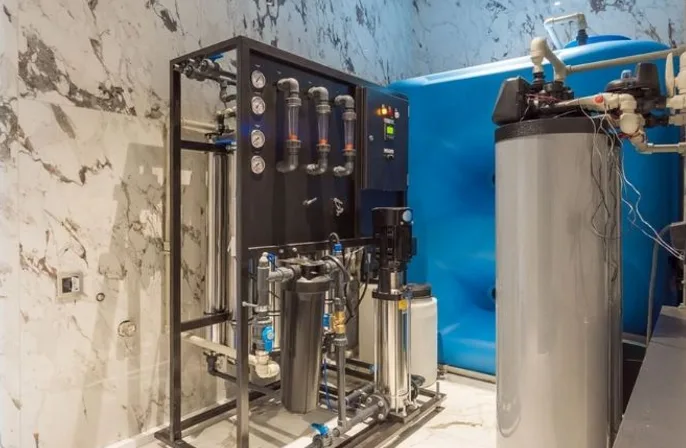
IIT Jodhpur earlier innovation utilizes sunlight driven clay photocatalyst that offers an indigenous solution for wastewater treatment in rural areas. The photocatalyst is recoverable up to 99 per cent and operates purely on solar energy, hence its suitable for dye contaminated wastewater from small industries and low resource settings. By doing without imported membranes or chemical additives, IIT Jodhpur machine reinforces India’s vision for decentralized and sustainable water treatment. Each development represents a decisive shift toward indigenous water purification technologies that are cost effective and ecologically safe with relevance for Indian conditions.
Waste to Wealth and India’s Emerging Bio Circular Economy
The conversion of waste into value has emerged as a national priority, particularly as India grapples with the twin crises of pollution and resource scarcity. IITs have plays a leading role in harnessing this bio circular economy where agricultural residue, urban waste and by products become feedstock for new industries. One of the development example is IIT Roorkee’s wheat straw based biodegradable tableware. By converting one of the country’s largest agricultural residues of 120 million tonnes of wheat straw into durable, unbleached tableware with a shelf life of nearly two years, the innovation directly tackles stubble burning pollution while creating additional revenue streams for farmers. This kind of technology strengthens rural economies while reducing the nation’s dependence on imported single use plastics.

IIT Hyderabad added another important innovation by developing a nanocomposite packaging film derived from sewage sludge and eggshell waste. With 80 per cent improved water barrier properties, this biodegradable film shows how urban sanitation byproducts can be reimagined into functional industrial materials.
At IIT Kharagpur, researchers converted cucumber peel into nano cellulose packaging, producing strong biodegradable films that could replace petroleum based plastic packaging. These innovations reflect India’s long standing ethos of reusing natural materials and aligning with global shifts toward sustainable consumption.
IIT Hyderabad in collaboration with KIIT, created an agro waste bio bricks made of sugarcane bagasse and straw. These bricks provide thermal insulation which act as carbon sinks and offer a low cost alternative for rural housing, especially under schemes like the Pradhan Mantri Awas Yojana. Collectively the waste to wealth innovations across IITs not only reduce environmental burden but also build future ready biomaterial industries that can scale across India.
Clean Energy Innovations and Low-Carbon Pathways
Breakthroughs that will reduce dependence on fossil fuels and provide clean, affordable alternatives are required for the decarbonisation of India’s energy landscape. Over time, IITs have contributed to this effort through technologies pertaining to fuel production, conversion of greenhouse gases and clean transportation.
IIT BHU, Varanasi along with Integral University has developed a high oil microalgae production system suitable for biofuel extraction. This technology will increase the lipid content thus making microalgae a worthy feedstock for renewable fuels through a two stage cultivation and processing method. This is part of the strategic shift as India strives to cut its dependence on imported crude oil and scale up its domestic supply chain for biofuels.
IIT Guwahati another complementary development is bioengineered a system wherein methanotrophic bacteria have been used to transform methane and carbon dioxide into methanol. This innovation stitches together environmental mitigation and energy production in one process by converting harmful greenhouse gases into usable fuel.
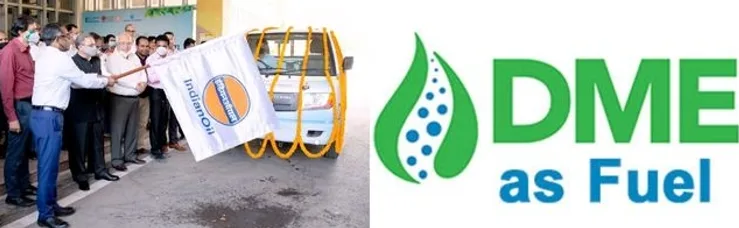
IIT Delhi has also driven clean transport solutions with its flex fuel DME (di-methyl ether) diesel engine technology, developed in collaboration with Ashok Leyland and Indian Oil Corporation. The technology reduces particulate matter emissions considerably and addresses India’s roadmap for methanol/DME blending in commercial vehicles. These clean energy breakthroughs present India with locally developed alternatives which are cost effective, scalable and aligned with national priorities such as the Green Hydrogen Mission and Biofuel Mission.
Sustainable Construction and Indigenous Green Materials
India rapid urbanisation and infrastructure expansion urgently require materials that are environmentally friendly, affordable and adapted to the country’s climatic conditions. IITs have responded to these needs through designing construction systems that reduce the carbon footprint of buildings while improving their resilience.
Demonstrating how traditional materials can be re-engineered for modern needs, IIT Kanpur HaritArohi Kutir is constructed from crop residue, fire resistant up to 1100°C and strong enough to carry loads of 1300 kilograms. The design addresses needs around disaster resilient rural housing while opening possibilities in eco-tourism and sustainable development. Because it uses locally available biomass, the technology can be deployed in several states without dependence on supply chains from outside.
IIT Indore came up with a cement free geopolymer concrete that cuts carbon emissions by up to 80 per cent while bringing down overall construction cost by around 20 per cent. This concrete does not need water curing and therefore is suitable for water stressed regions of India. Replacement of conventional cement with industrial byproducts like fly ash and slag shows how circular economy principles could be woven into the national infrastructure planning. These solutions will put India in the forefront of the realm of sustainable construction technologies and reinforce the recent ongoing efforts towards decarbonisation of the building sector.
Environmental Protection, River Rejuvenation and Green Remediation
Environmental rejuvenation in general is river rejuvenation and industrial pollution management in particular continues to be India priorities. IIT Roorkee rose to the occasion with its own development of a microbial consortium for remediation of water. This green biological system has been licensed for applications in industries and the environment, which assists in the revitalisation of polluted rivers, drains and lakes. It aligns directly with national programs like Namami Gange needing scalable, low-cost biological solutions instead of energy intensive mechanical systems.
Another major contribution was a graphene based oil water separation system designed by IIT Kharagpur that can provide 99 per cent oil selectivity with recovery of more than 90 per cent. The technology can serve sectors like petrochemicals, shipping and coastal environmental management owing to its low energy use. With its potential application in responding to marine oil spills and industrial discharge, it gives India a strong indigenous tool for the protection of ecology. These technologies altogether strengthen the country’s environmental sovereignty by reducing dependence on foreign remediation systems.
Farm Technologies, Post Harvest Solutions and Food Security
Agriculture continues to be central to the economic and social fabric in India, while IITs have increasingly targeted innovations that promote food security and reduce wastage. IIT Roorkee developed a clay-based ethylene scavenger capable of absorbing up to 86 per cent of ethylene gas, thereby increasing the shelf life of fruits and vegetables by approximately one week. This simple low-cost technology addresses the long-standing problem of post-harvest losses, particularly for small farmers with limited access to cold storage. By offering a locally available substitute for imported ethylene filters, IIT Roorkee innovation supports stronger domestic horticulture supply chains and increases farmer incomes.
Several IITs have contributed a number of innovations that support agricultural sustainability, precision farming and rural livelihood development. IIT Indore for example, deployed technology toolkits in tribal villages to facilitate food processing and small-scale manufacturing, adding to the role of the institute in field based rural innovation. Such diverse interventions have helped the IITs to bridge the gap between laboratory research and the real ground level challenges in agriculture.
Emerging Innovations from IIT Campuses: 2023–2025
Newer innovations at campuses across the country keep reinforcing the IITs as national engines of scientific progress. Work at IIT Delhi on creating India’s first digital twin of the Ganga basin marked a quantum leap in the area of hydro informatics. The project would facilitate flood forecasting, pollution modelling, reservoir optimisation and long term basin management through dynamic virtual simulation.
IIT Guwahati has expanded its innovation footprint with an underwater welding and repair programme aimed at strengthening country capabilities in the areas of marine engineering, coastal infrastructure maintenance and offshore technologies. IIT Kharagpur established the Defence R&D Centre to further its work in autonomous systems, defence materials and advanced electronics, aligning its research more strongly with national strategic needs.
IIT-BHU Varanasi has catalysed India’s startup and deep tech ecosystem by releasing grants worth Rs 5 crore for technology led enterprises in areas like agriculture, health care, drones, smart energy and industrial automation. The robust participation of early stage entrepreneurs in this effort underlines how the IITs are moulding India’s innovation pipeline beyond traditional academic confines.
The field interventions in livelihood technologies at IIT Indore show how IITs are increasingly engaging with real communities and not abstract problems. From clean water systems to bio circular solutions, from green construction materials to low-carbon energy devices and from environmental restoration tools to farm centric technologies, IITs have built an innovation ecosystem that serves national priorities directly.
In the period between 2018 and 2025 there is a shift in the scientific landscape of India, where technological autonomy is no longer aspirational but operational, with IITs designing solutions that are indigenous, scalable and grounded in India’s socio ecological realities. These innovations demonstrate that India’s scientific leadership is being built at home engineered in the laboratories, pilot plants and field stations of IITs and deployed to shape a more resilient, sustainable and self-reliant future for the nation.